

WeVote

Bill

Bill

SB 1023

critical infrastructure; prohibited agreements

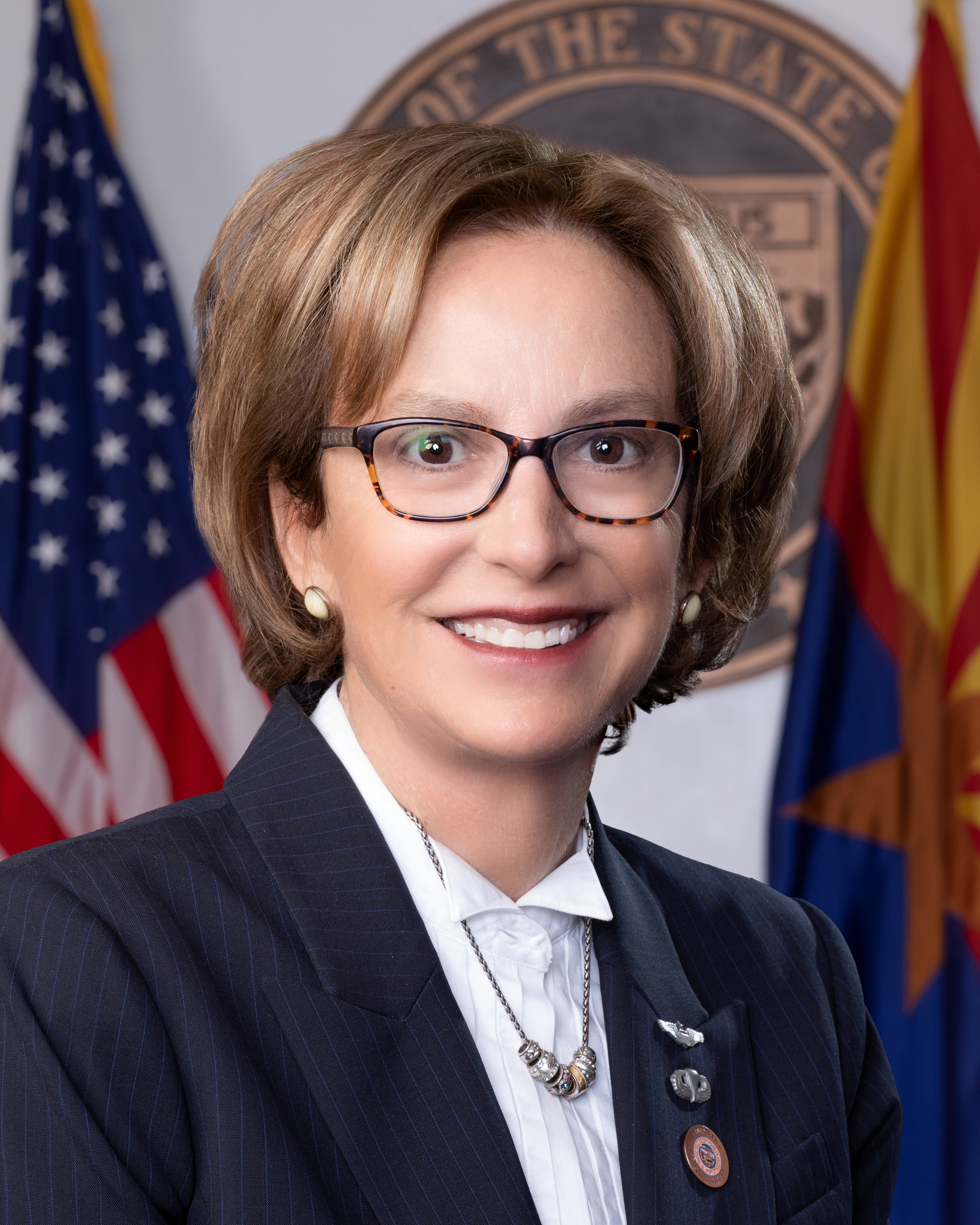
57th Legislature - First Regular Session Introduced by Wendy Rogers

SB 1023 bans Arizona agreements granting foreign entities control over critical infrastructure to protect essential services from foreign ownership or operational compromise.

House Second Reading
0
WeVote Research Nonpartisan
Bill Summary · SB 1023

Legislative bill overview

SB 1023 prohibits Arizona from entering into agreements with foreign entities or persons that would compromise critical infrastructure or grant them control over essential services. The bill appears designed to prevent foreign ownership or operational control of utilities, telecommunications, water systems, and similar vital infrastructure that Arizonans depend upon.

Why is this important

Critical infrastructure disruptions—whether from cyberattacks, sabotage, or operational failures—can threaten public safety, economic stability, and national security. States have legitimate interests in ensuring continuity of essential services like power grids and water supplies, making ownership and control questions practically relevant for emergency preparedness and service reliability.

Potential points of contention

  • Definitional ambiguity: "Critical infrastructure" and "control" may be vaguely defined, creating uncertainty about which agreements are prohibited and potentially affecting legitimate foreign investment in subsidiary U.S. companies that operate infrastructure
  • Trade agreement conflicts: Restrictions on foreign agreements could conflict with existing international trade agreements or CFIUS (Committee on Foreign Investment in the United States) authority, raising constitutional federalism questions about state versus federal jurisdiction
  • Economic impact: Overly broad language could deter foreign investment capital needed for infrastructure modernization and expansion, potentially increasing costs for Arizona consumers or limiting service improvements

Compiled from official sources — confirm details with the bill’s official record.

Sign in to ask a question.