

WeVote

Bill

Bill

SB 1190

Criminal procedure: statute of limitations; statute of limitations for certain criminal sexual conduct violations; eliminate. Amends sec. 24, ch. VII of 1927 PA 175 (MCL 767.24).

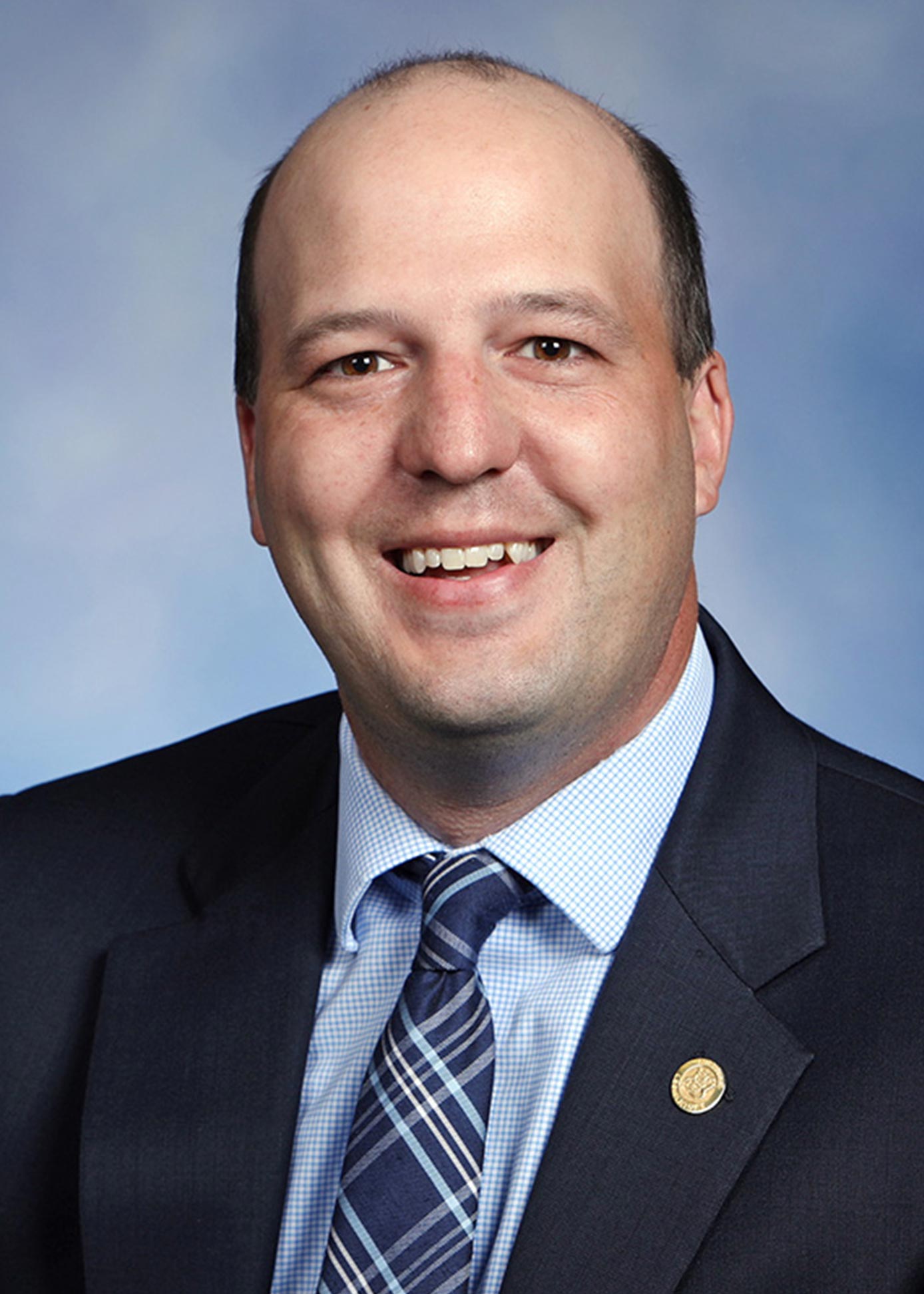
2023-2024 Regular Session Introduced by Kevin Hertel and 4 co-sponsors

Michigan eliminates the statute of limitations for specified sexual conduct crimes, allowing prosecutions regardless of time elapsed since the offense.

referred to Committee on Government Operations
0
WeVote Research Nonpartisan
Bill Summary · SB 1190

Legislative bill overview

SB 1190 eliminates the statute of limitations for prosecuting certain criminal sexual conduct violations in Michigan. This removes time restrictions that previously prevented prosecution of sexual crimes after a specified period had elapsed. The bill amends Michigan's criminal procedure statute to allow these cases to be brought at any point in the future.

Why is this important

Statutes of limitations traditionally balance the need to prosecute crimes against defendants' rights to fair trials and the degradation of evidence over time. Eliminating time restrictions for sexual conduct crimes acknowledges that survivors often delay reporting due to trauma, shame, or fear—factors specific to sexual violence. This change directly affects victims' ability to seek justice regardless of how much time has passed since the offense.

Potential points of contention

  • Due process concerns: Defendants may argue that prosecuting decades-old crimes violates their constitutional right to a fair trial, as evidence degrades, witnesses become unavailable, and memories fade over time
  • Scope ambiguity: The bill references "certain criminal sexual conduct violations" but the specific crimes included require reviewing the amended statute; unclear whether all sexual crimes are covered or only specific categories
  • Retroactive application: Uncertainty about whether the eliminated statute of limitations applies to crimes committed before the bill's passage, potentially exposing individuals previously considered legally safe from prosecution

Compiled from official sources — confirm details with the bill’s official record.

Sign in to ask a question.