

WeVote

Bill

Bill

HB 4333

Criminal procedure: sentencing guidelines; sentencing guidelines for conducting pathogen enhancement engineering or research; provide for. Amends sec. 13k, ch. XVII of 1927 PA 175 (MCL 777.13k). TIE BAR WITH: HB 4332'25

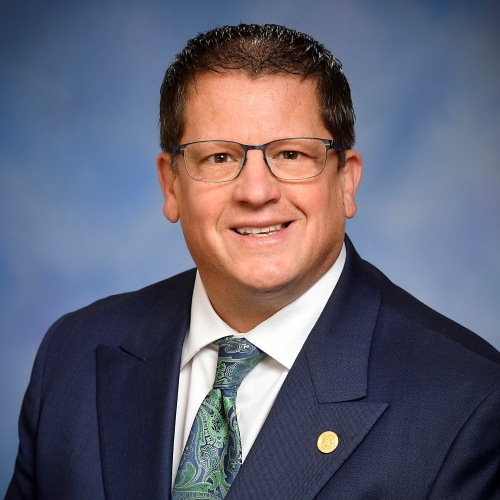
2025-2026 Regular Session Introduced by Brian BeGole and 9 co-sponsors

HB 4333: Criminal Procedure - Sentencing Guidelines for Pathogen Engineering OverviewBill Number: HB 4333 Title: Criminal procedure: sentencing guidelines; sentencing guidelines f

bill electronically reproduced 04/17/2025
0
WeVote Research Nonpartisan
Bill Summary · HB 4333

HB 4333: Criminal Procedure - Sentencing Guidelines for Pathogen Engineering

Overview

Bill Number: HB 4333
Title: Criminal procedure: sentencing guidelines; sentencing guidelines for conducting pathogen enhancement engineering or research; provide for.
Status: Bill electronically reproduced 04/17/2025
Introduced: March 11, 2025

Purpose and Intent

This bill aims to establish sentencing guidelines for individuals convicted of conducting unauthorized or unethical research into the enhancement of pathogens. The intent is to deter the development and use of engineered biological agents that could pose significant public health and safety risks.

Key Provisions

  • Amends the sentencing guidelines in the Code of Criminal Procedure to include a new category for "Conducting Pathogen Enhancement Engineering or Research"
  • Specifies sentencing ranges based on the level of offense, from a maximum of 20 years for the most serious violations to 1 year for minor offenses
  • Factors in the degree of risk to public health, the intent behind the research, and the scale/scope of the activities when determining the appropriate sentence
  • Allows for enhanced penalties if the unauthorized research led to the release or use of an engineered pathogen
  • Requires mandatory minimum sentences for the most egregious cases involving intent to cause harm

Affected Parties and Impacts

  • Researchers, scientists, and others working in the biological sciences and biotechnology fields would be subject to the new sentencing guidelines
  • Universities, private companies, and other institutions conducting pathogen research could face legal and reputational risks if proper protocols are not followed
  • The general public would benefit from increased deterrence and accountability around the development of dangerous biological agents

Procedural and Timeline Considerations

HB 4333 was introduced in the state legislature on March 11, 2025 and has been electronically reproduced as of April 17, 2025. The bill has been referred to the House Judiciary Committee for further consideration and debate. If passed by the legislature, it would then go to the governor for signature into law. The new sentencing guidelines would take effect 90 days after the bill is enacted.

Compiled from official sources — confirm details with the bill’s official record.

Sign in to ask a question.