

WeVote

Bill

Bill

HB 363

CRIMINAL LAW-TECH

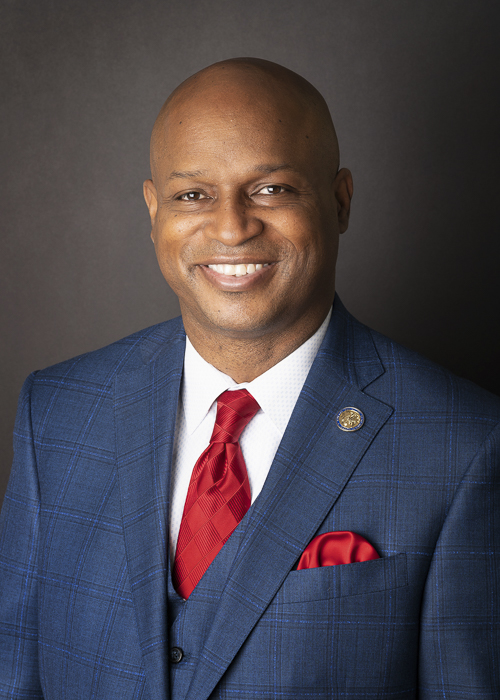
104th Regular Session Introduced by Chris Welch

Illinois bill addressing criminal law applications to technology; currently in Rules Committee after passing Executive Committee with unanimous support in March 2025.

Rule 19(a) / Re-referred to Rules Committee
0
WeVote Research Nonpartisan
Bill Summary · HB 363

Legislative bill overview

HB 363 addresses criminal law applications in technology contexts, though the specific provisions aren't detailed in the bill's action history. Based on the sponsorship by Chris Welch (a Chicago Democrat with interest in criminal justice modernization) and the committee assignments, the bill likely creates or modifies criminal statutes related to technology-facilitated offenses, digital crimes, or law enforcement use of technology.

Why is this important

Technology-related criminal law is rapidly evolving, with existing statutes often predating modern digital threats like deepfakes, cyberstalking, AI-generated abuse material, or unauthorized data collection. Clarifying criminal liability in these areas affects both public safety enforcement and the boundaries of prosecutable conduct in an increasingly digital society.

Potential points of contention

  • Definitional precision: Tech-focused criminal laws risk being either too vague (capturing legitimate activity) or too narrow (missing actual harms), creating enforcement and constitutional challenges
  • Balancing innovation vs. criminalization: Overly broad technology crime statutes could chill legitimate tech development, cybersecurity research, or privacy-protective tools
  • Prosecutorial discretion: New criminal tech provisions may disproportionately impact certain communities if enforcement becomes uneven across jurisdictions

Compiled from official sources — confirm details with the bill’s official record.

Sign in to ask a question.