

WeVote

Bill

Bill

HB 408

CRIMINAL LAW-TECH

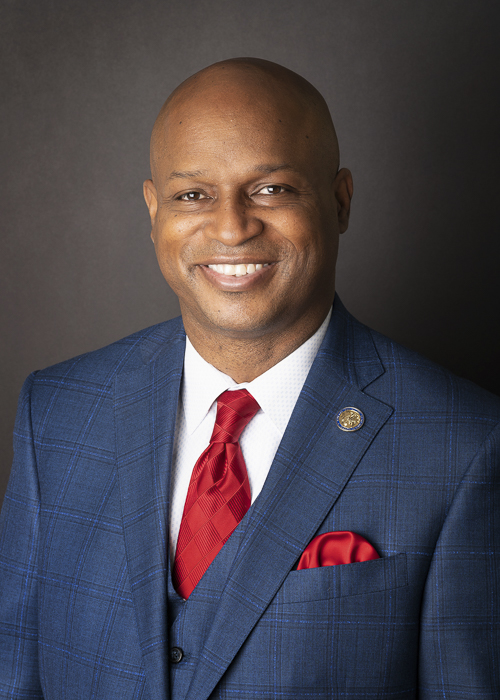
104th Regular Session Introduced by Chris Welch

Illinois HB 408 modernizes criminal law to address technology-related offenses, advancing from committee with unanimous support but awaiting rules clarification before final passage.

Rule 19(a) / Re-referred to Rules Committee
0
WeVote Research Nonpartisan
Bill Summary · HB 408

Legislative bill overview

HB 408 addresses the intersection of criminal law and technology in Illinois, though the specific provisions are not detailed in the action history provided. Based on its title and sponsorship by Representative Chris Welch, the bill likely establishes or modifies criminal statutes related to technological crimes, digital evidence handling, or technology-facilitated offenses. The bill has passed initial committee review with unanimous support and is currently in the rules process.

Why is this important

Technology-related crimes are rapidly evolving and often outpace existing legal frameworks, leaving law enforcement and courts without clear guidance. Clarifying criminal statutes around digital offenses—whether involving cybercrime, deepfakes, unauthorized surveillance, or other tech-enabled crimes—helps protect Illinois residents while establishing fair prosecutorial standards. Without updated legislation, enforcement becomes inconsistent and defendants may face legal uncertainty.

Potential points of contention

  • Scope of criminalization: Depending on specifics, the bill could criminalize conduct that some argue should remain civil matters or has legitimate uses (e.g., certain security research or privacy tools)
  • Due process concerns: Tech crimes require clear definitions to avoid prosecuting individuals for ambiguous conduct; vague language could chill lawful technology use
  • Enforcement capability: Law enforcement may lack training or resources to investigate and prosecute tech-related crimes effectively, making legislation difficult to implement consistently

Compiled from official sources — confirm details with the bill’s official record.

Sign in to ask a question.