

WeVote

Bill

Bill

HB 803

Criminal Law - Revenge Porn - Computer-Generated Visual Representation

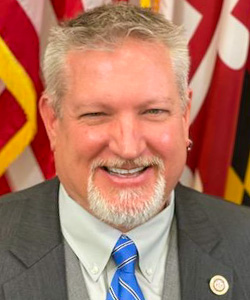
2025 Regular Session Introduced by Christopher Bouchat and 6 co-sponsors

Maryland bill criminalizes distributing non-consensual synthetic sexual imagery (deepfakes) alongside existing revenge porn laws to protect against AI-generated intimate abuse.

Hearing 2/18 at 11:00 a.m.
0
WeVote Research Nonpartisan
Bill Summary · HB 803

Legislative bill overview

HB 803 expands Maryland's revenge porn law to criminalize the distribution of non-consensual computer-generated sexual imagery, including deepfakes and AI-synthesized explicit content. The bill treats digitally created sexual representations the same as authentic non-consensual intimate images under existing criminal statutes.

Why is this important

As AI technology makes creating realistic fake sexual imagery increasingly accessible and difficult to detect, victims face new forms of harassment, blackmail, and reputation damage without legal recourse. This legislation addresses a gap in current law that only covers real photographs and videos, leaving people vulnerable to synthetic sexual abuse.

Potential points of contention

  • First Amendment concerns: Opponents may argue the law restricts speech protections, particularly regarding satire, parody, or artistic expression involving public figures
  • Definition ambiguity: The bill's scope regarding what constitutes a "computer-generated visual representation" could be unclear—does it cover cartoon depictions, heavily edited images, or only photorealistic deepfakes?
  • Enforcement challenges: Determining intent and proving non-consensual creation/distribution of digital imagery may be technically complex and difficult for law enforcement to investigate and prosecute

Compiled from official sources — confirm details with the bill’s official record.

Sign in to ask a question.