

WeVote

Bill

Bill

HB 1081

Criminal Law - Masked Intimidation - Prohibition (Unmask Hate Act)

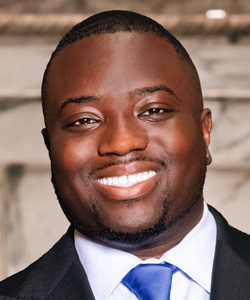
2025 Regular Session Introduced by Adrian Boafo and 4 co-sponsors

Maryland bill criminalizes wearing masks while committing intimidation based on protected characteristics, targeting organized hate group tactics while raising free speech concerns.

Hearing 2/18 at 11:00 a.m.
0
WeVote Research Nonpartisan
Bill Summary · HB 1081

Legislative bill overview

HB 1081, the "Unmask Hate Act," proposes to criminalize masked intimidation in Maryland by making it illegal to wear masks or face coverings while committing crimes intended to intimidate, threaten, or harass individuals based on protected characteristics. The bill targets organized intimidation tactics while potentially creating exceptions for legitimate uses of masks (such as medical, religious, or protest-related purposes).

Why is this important

Masked intimidation has historically been associated with hate group activities and organized harassment campaigns that disproportionately target vulnerable communities. This legislation attempts to address a gap in law enforcement tools by making the act of masking itself during intimidation illegal, rather than requiring prosecutors to prove underlying conspiracy charges. The bill directly confronts organized intimidation while raising important questions about balancing public safety with free expression and assembly rights.

Potential points of contention

  • Definitional clarity: The scope of "intimidation" and "protected characteristics" must be precisely defined to avoid vague language that could criminalize legitimate protest or assembly, particularly among activist groups wearing masks for privacy or safety
  • Constitutional concerns: First Amendment protections for anonymous speech and assembly could be implicated; courts have previously struck down broad anti-masking laws as overbroad
  • Enforcement disparities: Risk that police could apply the law unevenly against certain groups while exempting others, creating civil rights concerns around discriminatory enforcement

Compiled from official sources — confirm details with the bill’s official record.

Sign in to ask a question.