

WeVote

Bill

Bill

HB 1294

Criminal Law - Child Sexual Abuse Material - Artificial Intelligence Software

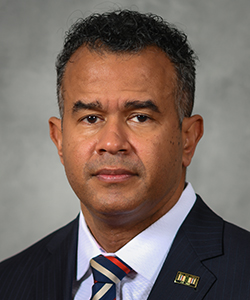
2026 Regular Session Introduced by C.T. Wilson

Maryland bill criminalizes creating, distributing, or possessing AI-generated child sexual abuse material with penalties similar to offenses involving actual child exploitation.

Favorable Adopted Second Reading Passed
0
WeVote Research Nonpartisan
Bill Summary · HB 1294

Legislative bill overview

HB 1294 addresses the use of artificial intelligence software to create, distribute, or possess child sexual abuse material (CSAM). The bill establishes criminal penalties for using AI tools to generate synthetic child sexual abuse imagery, treating AI-generated CSAM similarly to material depicting actual children.

Why is this important

As AI image generation technology becomes more accessible and sophisticated, law enforcement and child protection advocates have raised concerns that synthetic CSAM could normalize child sexual exploitation, be used for grooming, or serve as a gateway to contact offenses. This bill creates a legal framework to prosecute AI-generated CSAM before it becomes a widespread problem.

Potential points of contention

  • Free speech concerns: Some argue that prohibiting AI-generated imagery (which depicts no actual children) may raise First Amendment questions about criminalizing computer-generated content versus material depicting real abuse
  • Definitional challenges: Determining what constitutes "child sexual abuse material" in the AI context—such as how to define a "child" in generated images or what level of realism triggers criminality—requires precise legal language
  • Enforcement and technology gaps: Law enforcement may lack sufficient tools and expertise to detect and investigate AI-generated CSAM, and the technology to distinguish synthetic from authentic material continues to evolve

Compiled from official sources — confirm details with the bill’s official record.

Sign in to ask a question.