

WeVote

Bill

Bill

SB 122

Crimes: penalties; penalties for certain crimes of imprisonment for life without parole eligibility; amend public health code to exclude application to individuals less than 19. Amends sec. 17764 of 1978 PA 368 (MCL 333.17764). TIE BAR WITH: SB 0119'23, SB 0121'23, SB 0123'23, SB 0120'23

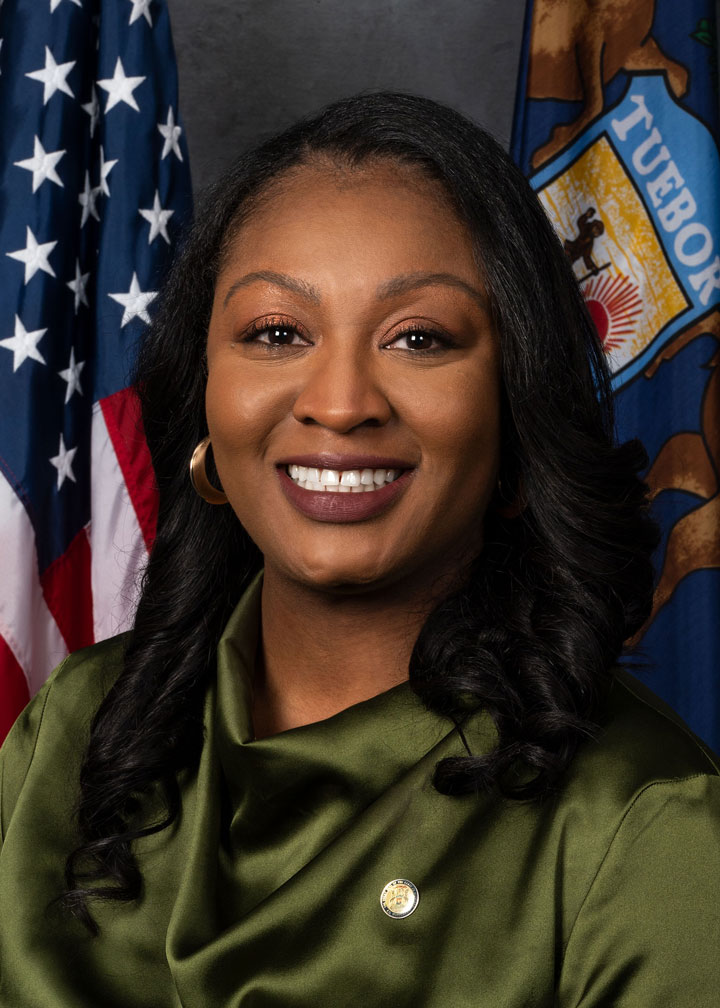
2023-2024 Regular Session Introduced by Sarah Anthony and 14 co-sponsors

Michigan bill reduces life-without-parole sentences for individuals under 19 convicted of certain crimes, allowing parole eligibility based on age at conviction.

REFERRED TO COMMITTEE ON CIVIL RIGHTS, JUDICIARY, AND PUBLIC SAFETY
0
WeVote Research Nonpartisan
Bill Summary · SB 122

Legislative bill overview

SB 122 amends Michigan's sentencing laws to modify penalties for certain crimes that currently carry life imprisonment without parole eligibility. The bill specifically excludes individuals under 19 years old from certain provisions in the public health code (MCL 333.17764), suggesting it provides age-based sentencing leniency for juvenile offenders convicted of serious crimes.

Why is this important

This bill addresses a significant criminal justice issue: whether individuals convicted as juveniles should face mandatory life sentences without parole. The age threshold of 19 directly affects how Michigan prosecutes and sentences young people, with implications for rehabilitation versus incarceration philosophies and alignment with recent U.S. Supreme Court decisions limiting life-without-parole sentences for minors (see Miller v. Alabama, 2012).

Potential points of contention

  • Victim advocacy concerns: Families of crime victims may oppose sentencing reductions for serious crimes, fearing inadequate accountability regardless of offender age
  • Parole board workload and public safety: Questions about whether parole eligibility for previously ineligible individuals increases risk or provides meaningful rehabilitation pathways
  • Age threshold justification: Why 19 specifically? Debate over whether brain development research supports this cutoff versus 18 or younger ages

Compiled from official sources — confirm details with the bill’s official record.

Sign in to ask a question.