

WeVote

Bill

Bill

HB 4390

Crimes: intoxication or impairment; methods of testing intoxication or impairment in the Michigan vehicle code; expand to include other bodily fluid. Amends secs. 43b & 319b of 1949 PA 300 (MCL 257.43b & 257.319b) & adds sec. 36d. TIE BAR WITH: HB 4391'25

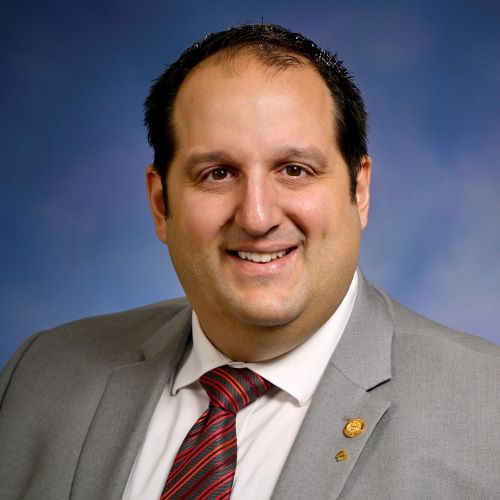
2025-2026 Regular Session Introduced by Joe Aragona and 32 co-sponsors

Authorizes on-site preliminary oral fluid (saliva) testing for drugs at roadside, extending sanctions for commercial drivers and allowing limited admissibility in prosecutions.

REFERRED TO COMMITTEE ON CIVIL RIGHTS, JUDICIARY, AND PUBLIC SAFETY
0
WeVote Research Nonpartisan
Bill Summary · HB 4390

Summary — HB 4390 (Michigan Vehicle Code): Preliminary Oral Fluid Analysis / “Other Bodily Fluid”

Sponsor: Rep. Brian BeGole
Filed: March 11, 2025. Passed House: July 1, 2025. Referred to Senate Committee on Civil Rights, Judiciary, and Public Safety: July 17, 2025. Tie-bar: HB 4391 (both must be enacted).

Purpose

HB 4390 adds authority for roadside oral fluid (saliva) screening for controlled substances and expands existing vehicle-code references to tests of blood, breath, or urine to include “other bodily fluid.” The bill is intended to permit preliminary on‑site oral fluid testing as an additional screening tool for drug-impaired driving.

Key provisions

  • Adds a new statutory definition (proposed MCL 257.36d):
    • “Other bodily fluid” = fluid from the human body capable of revealing the presence of controlled substances or their metabolites, including oral fluid.
  • Adds/defines “preliminary oral fluid analysis” (amendment to MCL 257.43b):
    • Means on‑site taking of a preliminary oral fluid test from a person’s oral fluid for the purpose of detecting a controlled substance (as defined in the Public Health Code); the bill text references performance “by a certified drug recognition expert, peace officer.”
  • Expands commercial-driver testing and sanction provisions (amendment to MCL 257.319b):
    • Language that currently covers chemical tests of blood, breath, or urine is broadened to include “other bodily fluid,” so measurable alcohol/controlled-substance findings in such fluids can trigger commercial-license suspensions/revocations.
  • Aligns procedural treatments that now apply to preliminary breath tests with preliminary oral fluid analysis:
    • A preliminary oral fluid analysis may lead to arrest based on results.
    • Results of preliminary oral fluid analysis are admissible in certain criminal prosecutions and administrative hearings for specified limited purposes (e.g., to assist in challenges to arrest validity; to rebut cross-examination testimony when oral fluid results differ from blood/urine chemical tests).
    • A refusal to submit to a preliminary oral fluid analysis is a civil infraction.
  • Other statutory provisions governing chemical tests and administrative hearings remain applicable to persons subject to oral fluid analysis.
  • Effective date: 90 days after enactment. Neither HB 4390 nor HB 4391 can take effect unless both are enacted.

Who would be affected

  • Drivers generally (including noncommercial drivers) as oral fluid screening may be used during traffic stops.
  • Commercial motor vehicle operators: statutory sanctions for measurable controlled substances/alcohol in “other bodily fluid” are extended to oral fluid findings and refusals.
  • Law enforcement agencies and peace officers (training, protocols, equipment).
  • Courts and administrative hearing bodies (evidence rules and challenges).
  • Forensic labs and public-health agencies may be involved when confirmatory chemical tests (blood/urine) are administered.

Fiscal and operational impact

  • Indeterminate fiscal impact. The bill authorizes but does not require agencies to adopt oral fluid screening; costs could include purchase of testing devices, training, rule/policy development, and possible increased caseloads/penal costs if convictions rise.
  • The House Fiscal Agency notes possible increases in misdemeanor/felony convictions (local jail/probation and state prison/probation costs if convictions rise). Some fine revenue would flow to public/county law libraries and the state Justice System Fund.

Procedural/other notes

  • The bill ties to HB 4391; both must be enacted for either to take effect.
  • Controlled substances referenced include substances scheduled under state/federal law (marijuana is listed as a controlled substance under current law).
  • The bill’s text references certified drug-recognition experts in connection with performing oral fluid tests; implementation details (who may administer tests and training standards) may be clarified in rules or accompanying legislation.

Compiled from official sources — confirm details with the bill’s official record.

Sign in to ask a question.