

WeVote

Bill

Bill

HB 4300

Crimes: animals; appointment of a pro bono lawyer or law student to act as an animal advocate in animal cruelty and welfare cases; allow. Amends 1931 PA 328 (MCL 750.1 - 750.568) by adding sec. 50d.

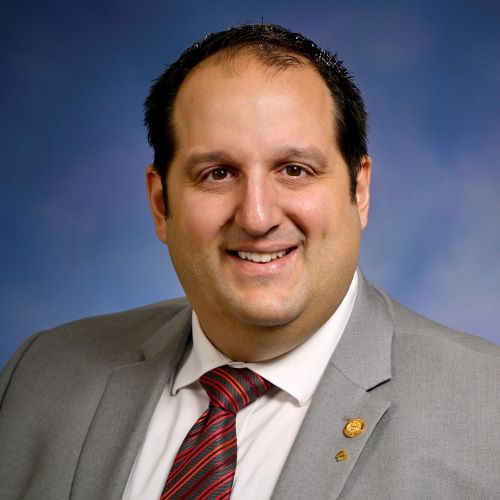
2025-2026 Regular Session Introduced by Joe Aragona and 14 co-sponsors

The bill allows courts to appoint trained volunteer animal advocates (from Michigan attorneys or law school clinical programs) to represent animals’ interests in criminal cases abo

bill electronically reproduced 03/25/2025
0
WeVote Research Nonpartisan
Bill Summary · HB 4300

Summary: HB 4300 – Pro Bono Animal Advocate Appointment in Animal Cruelty and Welfare Cases

Overview

HB 4300 proposes to amend the Michigan Penal Code (1931 PA 328) by adding a new § 50d to authorize the court to appoint volunteer advocates to represent the interests of animals or the interests of justice in criminal prosecutions involving the treatment, welfare, or custody of animals. The appointment can be made by the court on its own motion or at the request of any party, and is limited to volunteers drawn from a court-provided list established by the State Bar of Michigan or its designee. The bill defines volunteers as unpaid advocates who may still receive pro bono hours or law school credit.

Purpose and Intent

  • Enhance legal representation and consideration of animal welfare within criminal proceedings related to animal treatment or custody.
  • Provide a structured mechanism for expert input and advocacy on behalf of animals, potentially improving outcomes in adjudications and placement decisions.

Key Provisions

  • Authority to Appoint (Sec. 50d(1)): Courts may appoint a volunteer advocate to represent the animal’s interests or the interests of justice in relevant criminal cases, either on the court’s initiative or at a party’s request. Appointments must come from a list supplied to the court by the State Bar of Michigan or its designee. Denials of appointment requests are not subject to appeal.

  • Duties of the Volunteer Advocate (Sec. 50d(2)):

    • Monitor the case.
    • Consult with individuals who can aid the judge/fact-finder and review relevant records (e.g., animal control, veterinarians, police).
    • Attend hearings.
    • Recommend and coordinate expert testimony when appropriate.
    • Make and coordinate animal placement recommendations.
    • Prepare and present a victim impact statement on behalf of the animal.
    • Provide other relevant information or recommendations related to the animal’s interests or justice, as appropriate.
  • Eligibility List (Sec. 50d(3)):

    • Attorneys licensed in Michigan with knowledge of animal issues and willingness to serve as volunteer advocates.
    • Law schools in Michigan with clinical programs that enroll (or anticipate enrolling) students interested in animal issues and willing to have students participate as volunteers as part of the clinical program.
  • Training and Professional Conduct (Sec. 50d(4)):

    • Volunteers must complete training approved by the State Bar or its designee.
    • Law students participating as advocates are subject to the Michigan Rules of Professional Conduct.
  • Definitions (Sec. 50d(5)):

    • “Animal” = vertebrate other than a human.
    • “Clinical program” = law school program allowing students to earn credit for legal services under faculty supervision.
    • “Law school” = ABA-accredited law school located in Michigan.
    • “Volunteer” = no monetary payment; may receive pro bono hours or law school credit.
  • Effective Date: The act would take effect 90 days after enactment.

Who Would Be Affected

  • Animals in criminal prosecutions under the animal treatment or welfare/custody chapters.
  • Courts handling such cases.
  • Attorneys and law students involved as volunteer advocates.
  • State Bar of Michigan and its designee responsible for maintaining the advocate list.
  • Law schools with clinical programs focusing on animal law issues.

Procedural and Timeline Aspects

  • Introduced: March 11, 2025; electronically reproduced March 25, 2025.
  • Committee: Judiciary; initial readings and referrals include a first reading (April 1, 2025) and referral to Ways & Means.
  • Enactment: If passed, the act would become law 90 days after enactment.

Notable Considerations

  • The appointment process is non-appealable if denied.
  • The program depends on volunteer participation and a maintained list from the State Bar.
  • Training requirements ensure volunteers meet standards before serving in court.

This summary presents HB 4300 as a targeted reform to enhance animal welfare considerations in Michigan criminal prosecutions by incorporating trained volunteer advocates, drawn from attorneys and law schools, under court oversight.

Compiled from official sources — confirm details with the bill’s official record.

Sign in to ask a question.