

WeVote

Bill

Bill

HR 2685

Crime Doesn’t Fly Act of 2025

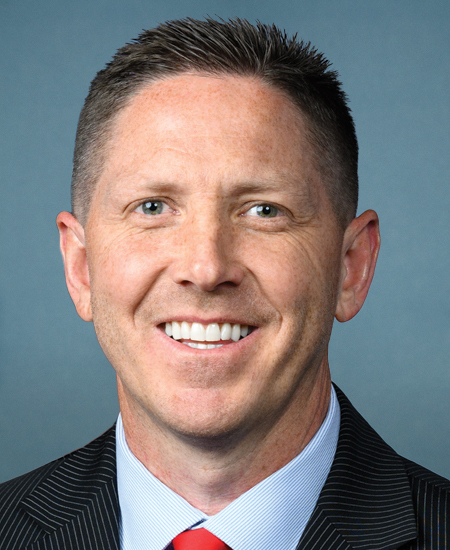
119th Congress Introduced by Josh Brecheen and 1 co-sponsor

The Crime Doesn’t Fly Act of 2025 boosts aviation security by increasing penalties for airport crimes, enhancing safety measures, and improving law enforcement collaboration.

Introduced in House
0
WeVote Research Nonpartisan
Bill Summary · HR 2685

Summary of HR 2685: Crime Doesn’t Fly Act of 2025

Purpose and Intent

The Crime Doesn’t Fly Act of 2025 (HR 2685) aims to enhance aviation security by addressing criminal activities that occur in and around airports. The bill seeks to establish stricter regulations and penalties for crimes related to air travel, ensuring the safety of passengers and airport personnel.

Key Provisions

While the specific text of the bill has not been detailed in the provided information, the following are anticipated provisions based on the bill's title and intent:

  • Increased Penalties: The bill may propose heightened penalties for crimes such as theft, assault, and other unlawful activities occurring within airport premises or involving airline operations.

  • Enhanced Security Measures: It could mandate the implementation of additional security protocols at airports to deter criminal behavior and improve overall safety.

  • Collaboration with Law Enforcement: The bill may encourage or require closer cooperation between airport authorities and local law enforcement agencies to effectively address and respond to criminal incidents.

  • Reporting Requirements: There might be provisions for airports to report criminal activities more comprehensively to federal authorities, facilitating better tracking and analysis of crime trends in aviation.

Affected Parties

The Crime Doesn’t Fly Act of 2025 would primarily impact:

  • Airports: Increased security measures and reporting requirements would necessitate changes in operations and possibly additional funding for implementation.

  • Airlines: Airlines may face stricter regulations regarding the handling of criminal incidents and may need to adjust their protocols accordingly.

  • Passengers: Travelers could experience enhanced safety measures, potentially leading to a more secure travel environment.

  • Law Enforcement Agencies: Local and federal law enforcement may need to adapt to new collaboration requirements and reporting standards.

Procedural Aspects

  • Introduced Date: The bill was introduced in the House on April 7, 2025.

  • Committee Referrals: Upon introduction, HR 2685 was referred to two key committees:

    • Subcommittee on Transportation and Maritime Security
    • House Committee on Homeland Security

These referrals indicate that the bill will undergo scrutiny and discussion within these committees before any further legislative action is taken.

Conclusion

The Crime Doesn’t Fly Act of 2025 represents a legislative effort to bolster security in the aviation sector by addressing criminal activities that threaten the safety of air travel. As the bill progresses through the legislative process, further details will emerge regarding its specific provisions and potential impacts on the aviation industry and travelers.

Compiled from official sources — confirm details with the bill’s official record.

Sign in to ask a question.