
WeVote

Bill

Bill

HB 3395

CRIM CD-GROOMING

104th Regular Session Introduced by Brad Fritts

Expands grooming to include in-person behaviors with anyone under 17, making grooming a Class 4 felony.


0
WeVote Research Nonpartisan
Bill Summary · HB 3395

HB 3395 — Summary (CRIM CD‑GROOMING)

Status: Rule 19(a) / Re‑referred to Rules Committee
Introduced: February 18–26, 2025 (filed Feb 26, 2025)
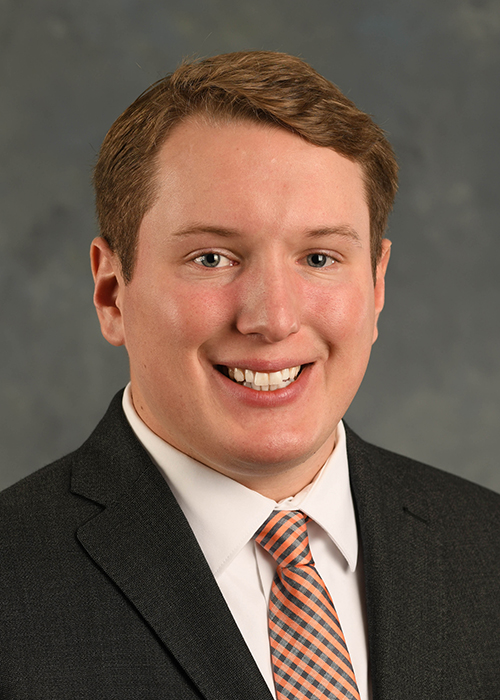
Primary sponsor: Rep. Bradley Fritts
Companion bill: SB 1940

Purpose / Intent

The bill amends the Criminal Code of 2012 (720 ILCS 5/11‑25) to expand and clarify the statutory offense of “grooming.” The change is intended to encompass certain in‑person behaviors in addition to electronic and written communications when those behaviors are used to prepare, seduce, solicit, lure or entice a minor for sexual purposes.

Key provisions

  • Revises Section 11‑25 (Grooming) to specify that a person commits grooming when they knowingly:
    • use electronic data storage or transmission, online services, written communication, or perform acts in person or through a third party; and
    • seduce, solicit, lure, or attempt to seduce/solicit/lure a child (or a person believed by the actor to be a child or a child’s guardian) to commit a sex offense, to distribute images depicting the child’s sex organs, or to engage in unlawful sexual conduct.
  • Adds an explicit statement that grooming also includes “engaging in inappropriate in‑person intimate behavior with a child,” with examples such as isolating interactions, gift giving, or crossing physical boundaries.
  • Defines “child” for this Section as a person under 17 years of age.
  • Classifies grooming as a Class 4 felony.

Who would be affected

  • Adults (or other persons) who communicate with, interact with, or otherwise seek to prepare or entice persons under 17 for sexual activity — whether by electronic/written means, through third parties, or by direct in‑person conduct.
  • Potential defendants: persons whose in‑person behavior (including non‑sexual but boundary‑crossing acts described in the bill) is alleged to be part of a grooming pattern.
  • Law enforcement, prosecutors, and courts — for charging, investigating, and adjudicating new or expanded grooming allegations.

Penalty

  • The offense is designated a Class 4 felony (penalties follow the felony sentencing framework established under Illinois law).

Procedural / timeline notes

  • Introduced Feb 2025; passed one chamber (House) and transmitted to the other — received and referred to relevant committees, with subcommittee activity reported. Current status: Rule 19(a) / Re‑referred to Rules Committee.

Considerations and potential impacts

  • Broadens the statutory scope of grooming to cover in‑person behaviors, not only communications, which may assist prosecutions that previously fell outside a communication‑based definition.
  • Terms such as “inappropriate in‑person intimate behavior,” “isolating interactions,” or “crossing physical boundaries” are somewhat open to interpretation; this could raise evidentiary and vagueness challenges in application.
  • The change may increase prosecutorial discretion in pursuing grooming cases and could lead to a wider range of conduct being investigated or charged under the grooming statute.

Compiled from official sources — confirm details with the bill’s official record.

Sign in to ask a question.