

WeVote

Bill

Bill

HB 5122

Creating the Affordable Medicaid Buy-in Program

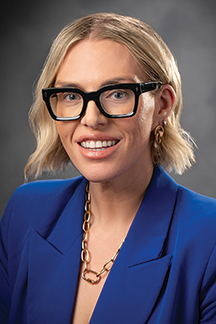
2026 Regular Session Introduced by Kayla Young

West Virginia would create an Insurance Medicaid Buy-In Plan to provide a low-cost, federally funded Medicaid-adjacent option for residents ineligible for Medicaid/Medicare, coordi

To House Health and Human Resources
0
WeVote Research Nonpartisan
Bill Summary · HB 5122

Summary of HB 5122 (West Virginia, 2026) — Creating the Affordable Medicaid Buy-In Program

Purpose

HB 5122 proposes to create an Insurance Medicaid Buy-In Plan (referred to as the Insurance Medicaid Buy-In Program) administered by the Department of Human Services (DHS). The program aims to maximize federal funds to offer residents a high-quality, low-cost health insurance option and to coordinate coverage with existing Medicaid and private plans. The plan would be available to individuals who are ineligible for Medicaid and Medicare and whose employer does not disenroll or deny employer-sponsored coverage because of the individual’s potential eligibility for the Buy-In plan.

Key Provisions and Changes

  • Establishment and Eligibility (§9-4F-3):

    • By January 1, 2027, DHS must establish the Insurance Medicaid Buy-In Plan.
    • Eligible residents: those ineligible for Medicaid and Medicare, and whose employer has not disenrolled or denied enrollment due to potential Buy-In qualification.
    • Plan benefits must cover a broad set of services (see below) and comply with federal/state law.
    • Plan enrollment should coordinate with Medicaid and private plans to maximize continuity of coverage.
  • Benefits and Coverage (§9-4F-3(b)):

    • Covered services include: ambulatory care, emergency services, hospitalization, maternity/newborn care, mental health and substance use treatment, prescription drugs, rehabilitative/habilitative services, laboratory services, preventive/wellness and reproductive health, pediatric services including oral and vision care.
    • Reimbursement rates for providers are based on the Medicaid fee schedule; potential rate increases may be allowed if funds permit, so long as Medicaid and program sustainability are not jeopardized.
    • Plan must be nondiscriminatory and accessible to all residents regardless of age, race, gender, origin, immigration status, disability, or location.
    • A premium sliding scale for individuals under 200% of the federal poverty level (FPL) will be updated, prioritizing those transitioning from Medicaid.
  • Administration and Costs (§9-4F-4):

    • DHS must design an administration plan prioritizing affordability and federal funding.
    • Implement an affordability scale for premiums and cost-sharing (copays, deductibles) based on household income, with required assistance for those below 200% FPL.
    • Establish actuarially sound premium rates to balance access and program costs.
    • DHS may administer the plan through Medicaid-adjacent managed care organizations and set medical loss ratio similar to Medicaid.
    • Standardize benefits, cost sharing, and purchasing of prescription drugs (including potential cross-state or multi-entity procurement).
  • Financing and Federal Waivers (§9-4F-5):

    • DHS must seek a Basic Health Plan option under ACA §1331 and/or a State Innovation Waiver under §1332 to maximize federal dollars.
    • Enrollment in Marketplace plans remains available for individuals and families.
  • Enrollment and Outreach (§9-4F-6):

    • DHS, the state health insurance exchange, and the navigator program must coordinate consumer outreach to enroll individuals in Medicaid or the Buy-In plan and reduce coverage gaps.
  • Advisory Council (§9-4F-7):

    • Establish an advisory council to guide implementation, affordability, marketing, enrollment, outreach, and evaluation.
    • Members include health and human resources leadership, the Insurance Commissioner, consumer advocates, providers, a Medicaid MCO representative, and public health/health financing experts appointed by the Governor.
  • Rule-Making (§9-4F-8):

    • DHS to issue emergency rules initially, followed by additional proposed rules for legislative approval to operate and maintain the program.
  • Employer Limitations (§9-4F-9):

    • Employers offering sponsored coverage may not disenroll or deny enrollment to residents solely because they qualify for the Buy-In plan.

Who Would Be Affected

  • West Virginia residents who are ineligible for Medicaid and Medicare and who have employers not disenrolling them due to potential Buy-In eligibility.
  • Employers offering health coverage (with new limitations against disenrollment based on Buy-In qualification).
  • Health care providers and managed care organizations under contract with Medicaid.
  • DHS, the state health insurance exchange, and the navigator program (through coordination and outreach activities).
  • Advisory council members and related public health/academic stakeholders.

Timetable and Procedural Aspects

  • Introduction occurred February 3, 2026.
  • By January 1, 2027, the DHS must establish the Insurance Medicaid Buy-In Plan.
  • Emergency and then permanent rule-making anticipated to implement the program.
  • The bill calls for application and pursuit of federal waivers (1331/1332) to fund the program.

Note

The bill references a dedicated funding or specialized fund (implied by the bill’s language) and emphasizes maximizing federal funds while preserving Medicaid and private options. If enacted, substantial rulemaking, federal waiver applications, and interagency coordination would follow.

Compiled from official sources — confirm details with the bill’s official record.

Sign in to ask a question.