

WeVote

Bill

Bill

A 4551

Creates the task force on early childhood education in public education

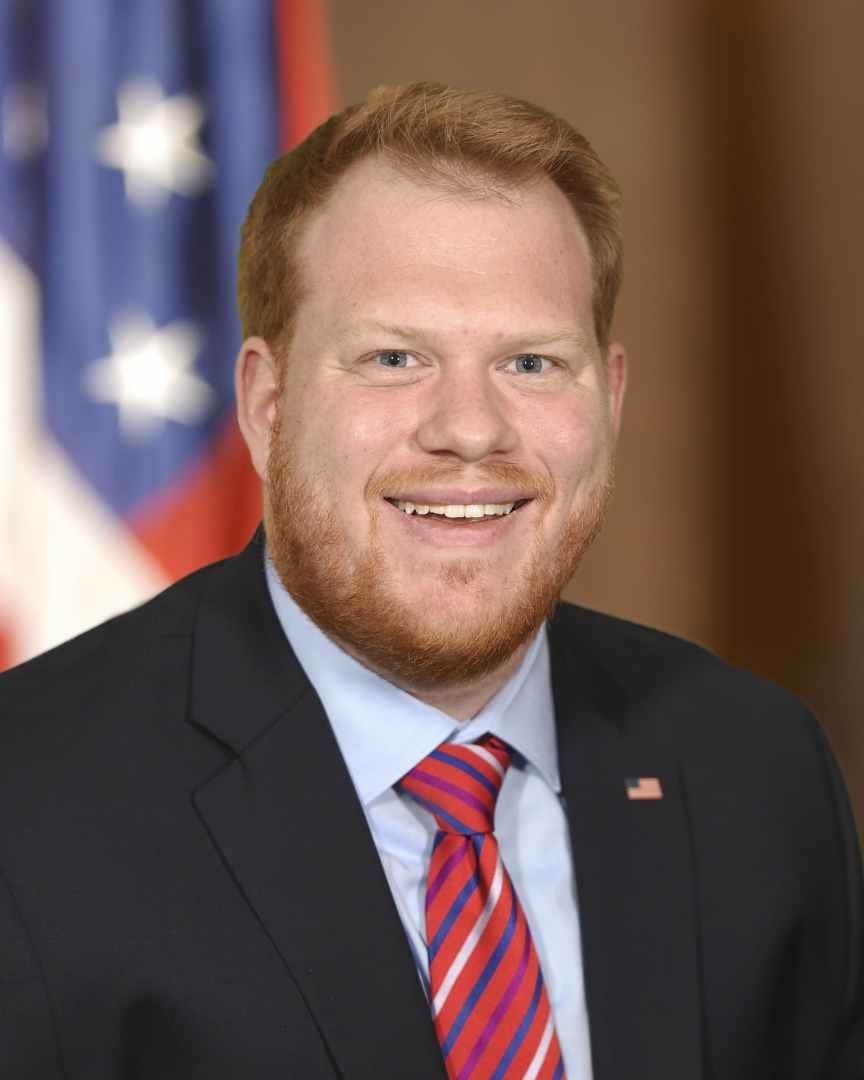
2025 Regular Session Introduced by Josh Jensen

Establishes a task force on early childhood education within public schools to study, advise, and shape policies for pre-K and early learning.

REFERRED TO EDUCATION
0
WeVote Research Nonpartisan
Bill Summary · A 4551

Summary of Bill A 4551: Creates the task force on early childhood education in public education

Basic bill information

  • Bill number: A 4551
  • Title: Creates the task force on early childhood education in public education
  • Status: REFERRED TO EDUCATION
  • Introduced: February 4, 2025
  • Primary sponsor: Josh Jensen
  • Related bill: A 5870 (prior-session)
  • Legislative actions: Both actions on 2025-02-04 show the bill being “REFERRED TO EDUCATION.”

What the bill would do

  • Establishment of a task force: The bill would create a dedicated task force focused on early childhood education within the public education framework. The stated purpose is to study, advise, and potentially help shape policies related to early childhood education in the public system.

Key provisions and changes (as available)

  • The summary provided does not include the full text, so specific details such as the task force’s exact size, membership (e.g., how appointed, who would serve, geographic or sector representation), duration, exact duties, reporting requirements, or funding are not specified here.
  • The bill’s title indicates a focus on integrating or aligning early childhood education with public education, but precise mechanisms (e.g., scope of topics for study, authority to propose regulations or budget recommendations, or timelines for reports) are not listed in the information provided.

Who/what would be affected

  • Public education system: By creating a task force, the bill would engage parties connected to early childhood education within the public sector—potentially including school districts, pre-K programs, educators, administrators, and related state or local agencies—through a formal advisory or study process.
  • Policy development and funding decisions: Depending on the task force’s findings, there could be downstream effects on policy design, program implementation, and potentially budget priorities related to early childhood education.

Procedural and timeline aspects

  • Current stage: Referred to the Education committee, indicating the bill is in the early committee review phase.
  • Next steps: The Education committee would consider the bill, may hold hearings, and could amend or vote to advance it. If advanced, it would progress through the standard legislative calendar (floor votes, potential amendments, or further referrals). As with many measures, passage depends on committee action and subsequent floor consideration.

Notes

  • Text details such as the task force’s composition, specific duties, funding, duration, reporting deadlines, and interaction with existing early childhood or K–12 programs are not provided in the information available. The related prior-session bill A 5870 may contain relevant context or framework that could inform A 4551’s approach.

Compiled from official sources — confirm details with the bill’s official record.

Sign in to ask a question.