

WeVote

Bill

Bill

A 2468

Creates the state office of the utility consumer advocate

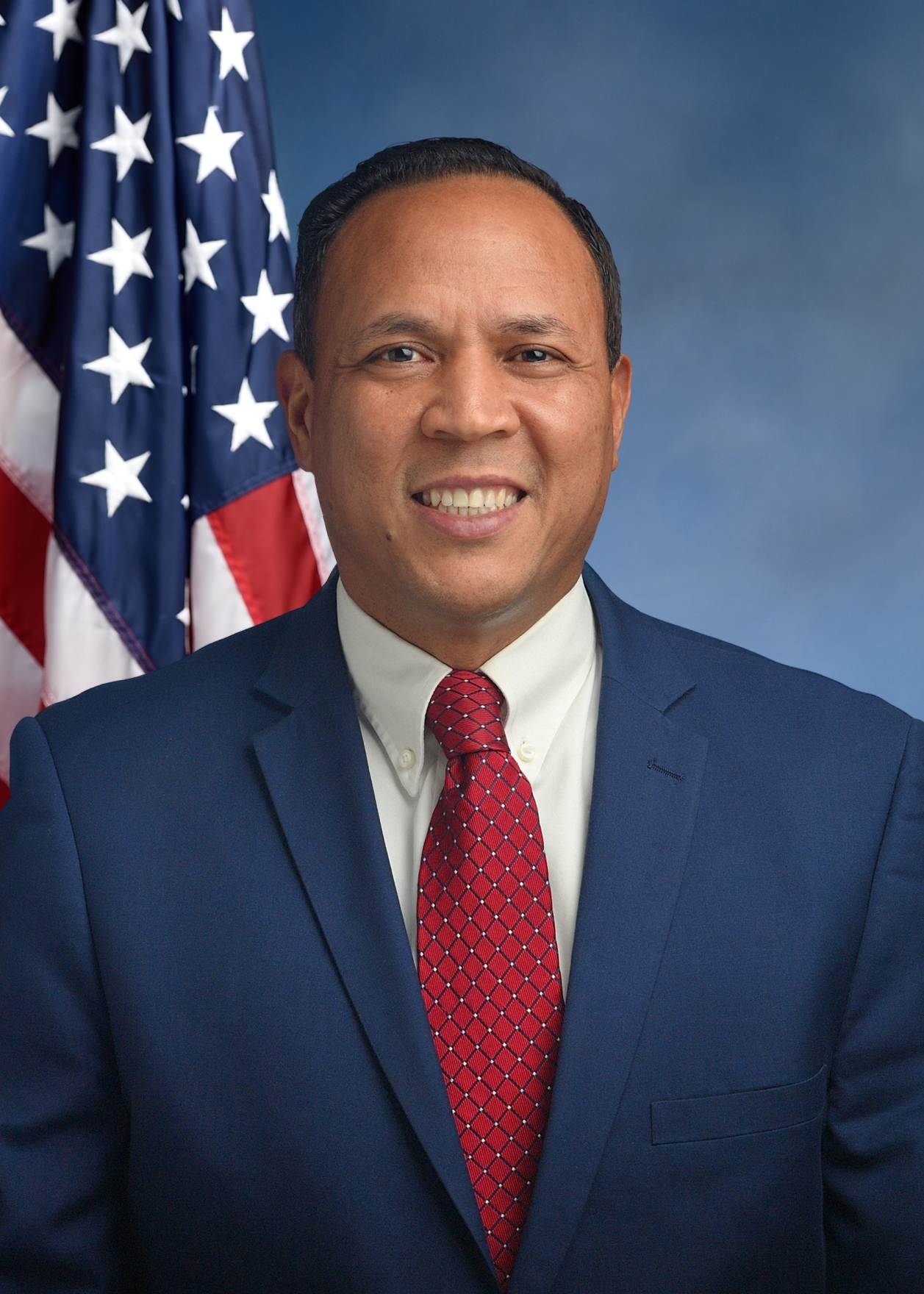
2025 Regular Session Introduced by George Alvarez and 36 co-sponsors

Prohibits pre-due-date charges for credit/debit billings by utilities unless customers give written consent; empowers BPU to set rules; takes effect 90 days after enactment.

DELIVERED TO GOVERNOR
0
WeVote Research Nonpartisan
Bill Summary · A 2468

Summary of Assembly Bill No. 2468 (A-2468)

Note: The bill text and committee materials provided relate to billing practices for telecommunications, electric, gas, and cable television services in New Jersey and are not about creating a “state office of the utility consumer advocate.”

Purpose and intent

  • Establish a standardized rule for how utilities and communications providers bill customers who pay via credit card or direct debit.
  • Prohibit charging a pre-billing-due-date amount for services when customers would normally pay by cash, money order, or personal check unless the customer expressly agrees in writing to an earlier charge (or initiates the earlier charge by approved means).

Key provisions

  • Prohibition on pre-due-date charges (Section 2a): The board (Board of Public Utilities, BPU) must prohibit telecommunications companies, electric public utilities, gas public utilities, and cable television companies from charging a credit card or direct debit customer for service before the actual billing due date that would apply if the customer paid by cash/money order/personal check, unless the customer provides written agreement to be charged earlier.
  • Permission for earlier charges with customer consent (Section 2b): The prohibition can be bypassed if the customer explicitly requests to be charged earlier, either by telephonic communication or by another board-approved method.
  • Rulemaking authority (Section 3): BPU may adopt rules and regulations under the Administrative Procedure Act to implement this act.
  • Effective date and advance actions (Section 4): The act takes effect 90 days after enactment. The board may take administrative actions in advance to effectuate its purposes.

Definitions (selected)

  • “Board” means the Board of Public Utilities or any successor agency.
  • “Credit card customer” = customer who allows automatic credit card billing for service during each cycle.
  • “Direct debit customer” = customer who allows automatic deduction from a bank account for service during each cycle.
  • “Electric public utility,” “Gas public utility,” “Telecommunications company,” and “Cable television company” are defined as used in the bill to cover relevant regulated entities.

Affected parties

  • Utilities and providers: Telecommunications companies, electric public utilities, gas public utilities, and cable television companies operating in New Jersey.
  • Customers who pay by credit card or direct debit (and who would be affected by pre-due-date charges).
  • Billing and compliance staff within affected companies; the BPU as the enforcing agency.

Procedural and timeline aspects

  • Introduced: January 9, 2024 (A-2468), referred to Assembly committee.
  • Committee action: January 27, 2025, Assembly Consumer Affairs Committee reported the bill favorably.
  • Legislative path (summarized): The bill has a companion in the Senate (S-6277) and underwent multiple committee and chamber actions across 2025, including referrals to Rules, Ways and Means, and Consumer Affairs committees, with a Senate passage and return to the Assembly (as of June 2025).
  • Effective date: 90 days after enactment, with potential early administrative actions by BPU.

Related measures

  • Companion bill: S 6277 (Senate)
  • Related/previous-session bills: A 9572, A 9570, A 3184, A 1950
  • Related Senate companion: S 4330

Bottom-line

A-2468 seeks to curb accelerated billing for credit/debit payments by requiring explicit customer consent for earlier charges and entrusting the BPU with implementing rules to protect consumers from pre-due-date billing practices across telecom, electric, gas, and cable services. The bill would take effect 90 days after enactment, with ongoing rulemaking to operationalize the policy.

Compiled from official sources — confirm details with the bill’s official record.

Sign in to ask a question.