

WeVote

Bill

Bill

A 5897

Creates the fourteenth judicial district consisting of the county of Monroe

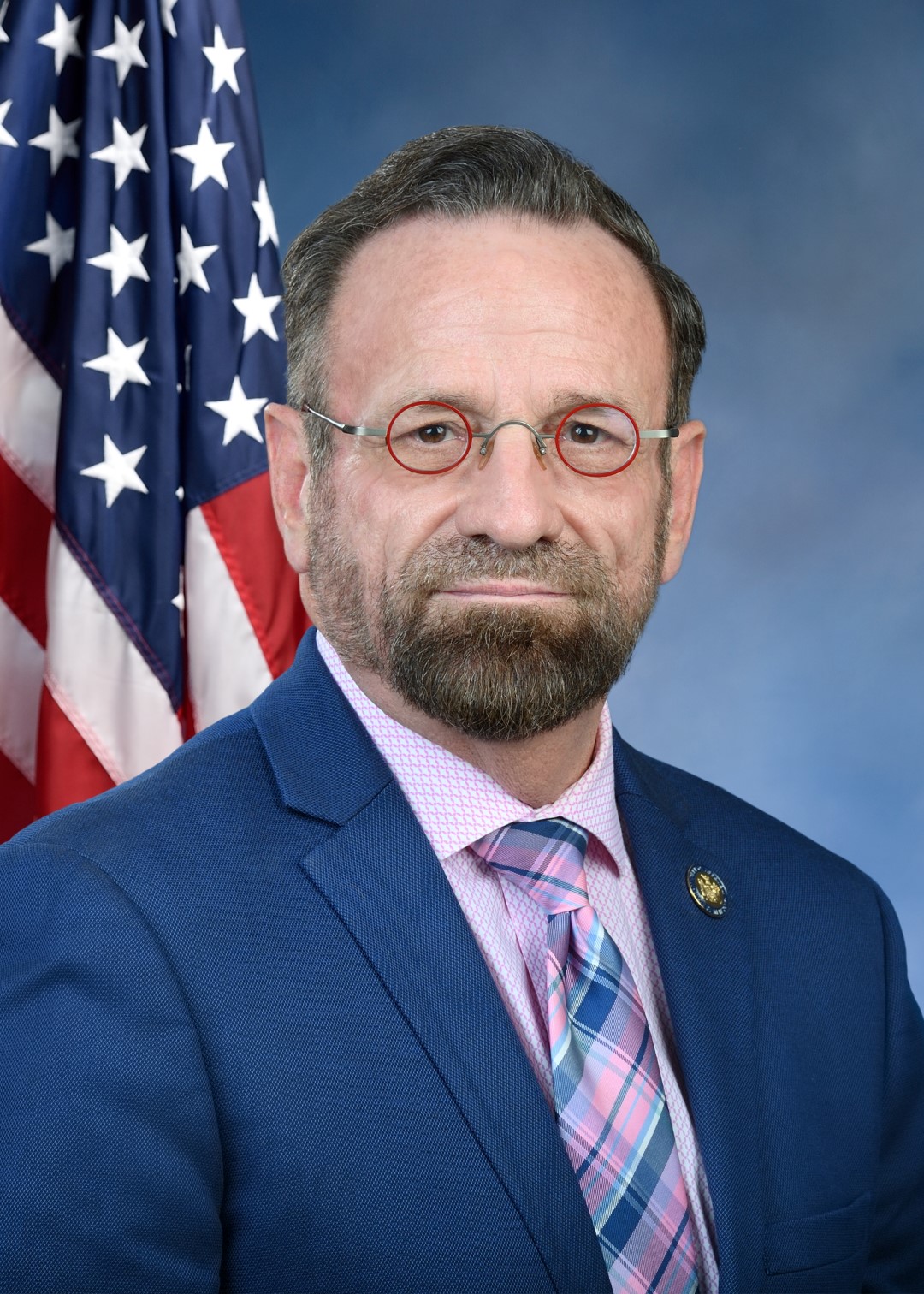
2025 Regular Session Introduced by Harry Bronson

Creates the Advanced Transmission Technologies Workforce Development Program to train workers for deploying and managing advanced energy transmission technologies.

REFERRED TO JUDICIARY
0
WeVote Research Nonpartisan
Bill Summary · A 5897

Bill Summary: Assembly Bill A-5897

Note on title vs. content: The bill’s formal title in the provided information references “Creates the fourteenth judicial district consisting of the county of Monroe,” which appears unrelated to the introduced text. The introduced version of A-5897 establishes the Advanced Transmission Technologies Workforce Development Program (ATT Program). This summary focuses on the ATT Program provisions as described in the introduced version.

Overview

  • Reform/Policy aims: Create a targeted workforce development program to equip electrical engineers and utility workers with skills for installing and managing advanced transmission technologies.
  • Policy vehicle: An Act concerning workforce development for advanced transmission technologies, supplementing P.L.1992, c.43 (C.34:15D-1 et seq.).
  • Department responsibility: Department of Labor and Workforce Development (DOLWD).

Purpose and Intent

  • Primary goal: Ensure a skilled, readily deployable workforce to support rapid and effective deployment of advanced transmission technologies, reducing delays caused by gaps in technical capacity.
  • Broader objectives include job creation, economic activity, and alignment of training with infrastructure investments and industry demand.

Key Provisions

  1. Establishment of the ATT Program

    • Created within the Department of Labor and Workforce Development.
    • Name: Advanced Transmission Technologies Workforce Development Program (ATT Program).
  2. Focus and Activities
    The department shall focus ATT Program efforts on:

    • Creating and retaining jobs and stimulating state economic activity.
    • Embedding workforce training and employment services in infrastructure investments to connect services to actual jobs.
    • Using community benefit agreements (CBA), community workforce agreements (CWA), and project labor agreements (PLA) to link training to affected or created jobs.
    • Providing career technical education aligned with business/industry demands for State students.
    • Developing worker retraining programs for existing workers to upgrade skills.
    • Responding to job creation and workforce needs of new and emerging industries.
    • Identifying and leveraging State and federal funding resources to implement program recommendations.
  3. Funding and Resource Use

    • DOLWD is authorized to obtain, accept, and utilize resources from appropriate State, federal, and non-governmental sources for employment, training, and educational purposes.
    • Eligible funding sources include:
      • Workforce Development Partnership Fund (P.L.1992, c.43, C.34:15D-9)
      • Supplemental Workforce Fund for Basic Skills (P.L.2001, c.152, C.34:15D-21)
      • Workforce Innovation and Opportunity Act (WIOA) funds (29 U.S.C. s.3101 et seq.)
  4. Evaluation and Reporting

    • Annual evaluation reports to the Governor and Legislature, per N.J. statutes on reporting.
    • Reports to cover: progress of the ATT Program, participant status, effectiveness, strengths/weaknesses, and recommendations for improvement.
    • First evaluation due by July 1, 2027; subsequent annual reports due by July 1 of each following year.
  5. Effective Date

    • The act takes effect immediately upon enactment.

Procedural and Timeline Aspects

  • Status: Referred to Judiciary (Assembly).
  • Introduced: June 27, 2025.
  • Related legislative actions mention companion bills (S 4675, S 3959) indicating cross-chamber consideration.

Who Is Affected

  • Primary: Electrical engineers, utility workers, and related professionals in New Jersey.
  • Institutions: Public and private employers involved in energy transmission infrastructure; workforce training providers; state and local agencies coordinating infrastructure investments.
  • Beneficiaries: Workers gaining new skills; employers facing capacity gaps; communities benefiting from job creation and inclusive workforce practices through CBAs/CWAs/PLAs.

Impactful Details

  • Emphasizes embedding training into infrastructure funding, aligning with state and federal funds, and advancing emerging technologies in the energy sector.
  • Requires ongoing evaluation to inform program adjustments and improve effectiveness over time.

Compiled from official sources — confirm details with the bill’s official record.

Sign in to ask a question.