

WeVote

Bill

Bill

HB 2314

Creates provisions relating to unlawful discrimination in places of public accommodation

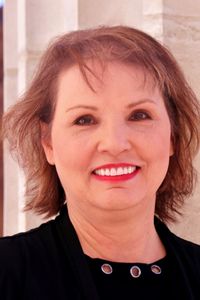
2026 Regular Session Introduced by Deanna Self

The bill bans discrimination in public accommodations in Missouri, establishing enforcement and remedies for unfair treatment in venues that serve the public.

Referred: Emerging Issues(H)
0
WeVote Research Nonpartisan
Bill Summary · HB 2314

Summary of HB 2314 (Missouri, 2026) – Unlawful Discrimination in Places of Public Accommodation

Purpose and intent

  • The bill creates provisions related to unlawful discrimination in places of public accommodation within Missouri.
  • It aims to establish or clarify protections against discrimination in access to and use of public facilities and services.

Key provisions and changes

  • Prohibition framework: The legislation defines acts of discrimination in places of public accommodation as unlawful. While specific protected classes are not enumerated in the summary provided, the bill’s general aim is to prohibit discriminatory practices in public venues and services.
  • Scope of public accommodations: The bill targets places that are typically open to the public and provide goods, services, or facilities to the general population (e.g., stores, restaurants, hotels, entertainment venues, and similar establishments) beyond private clubs or membership-only settings.
  • Enforcement and remedies: The bill would establish enforcement mechanisms for alleged discrimination, including potential civil remedies. This may include the ability to file complaints, seek injunctive relief, and pursue damages or attorney’s fees, consistent with applicable Missouri civil rights enforcement processes.
  • Definitions: The bill provides definitions relevant to unlawful discrimination in public accommodations, such as what constitutes a place of public accommodation, the nature of discriminatory conduct, and possibly the timeframe for bringing claims.
  • Exemptions or defenses: As typical in public accommodation discrimination statutes, there may be enumerated exemptions or affirmative defenses (e.g., bona fide occupational qualifications, religious exemptions, or other narrowly tailored carve-outs). The summary does not list specific exemptions, but these are common in such measures.

Who or what would be affected

  • Businesses and organizations that operate places of public accommodation in Missouri would be subject to the new prohibitions and enforcement mechanisms.
  • Employees, customers, and clients of those public accommodations could be protected or empowered to pursue remedies for discriminatory treatment.
  • Government agencies and local governments may be involved in enforcement administration, complaint processing, and potential rulemaking or guidance.

Procedural and timeline aspects

  • Introduction and readings:
    • First reading: January 7, 2026
    • Second reading: January 8, 2026
  • Referral:
    • Referred to Emerging Issues (H) on May 15, 2026
  • History context:
    • Prefiled on December 9, 2025
  • Sponsorship:
    • Co-sponsor: Deanna Self
  • The bill’s progression suggests ongoing committee consideration and potential floor action following the Emerging Issues committee review.

Practical implications

  • If enacted, venues listed as public accommodations would need to ensure non-discriminatory practices in admission, services, pricing, and treatment of patrons.
  • Businesses may need to update anti-discrimination policies, staff training, and complaint response protocols.
  • The bill could augment Missouri’s civil rights framework by providing additional statutory basis for addressing discriminatory conduct in public-facing operations.

Note: The summary above reflects the bill’s stated objectives and typical features of public accommodation discrimination legislation. For a precise understanding, readers should consult the official text of HB 2314, amendments, committee reports, and fiscal notes as the bill progresses through the Legislature.

Compiled from official sources — confirm details with the bill’s official record.

Sign in to ask a question.