

WeVote

Bill

Bill

S 2019

Creates distinctive license plates for the United States army 10th mountain division

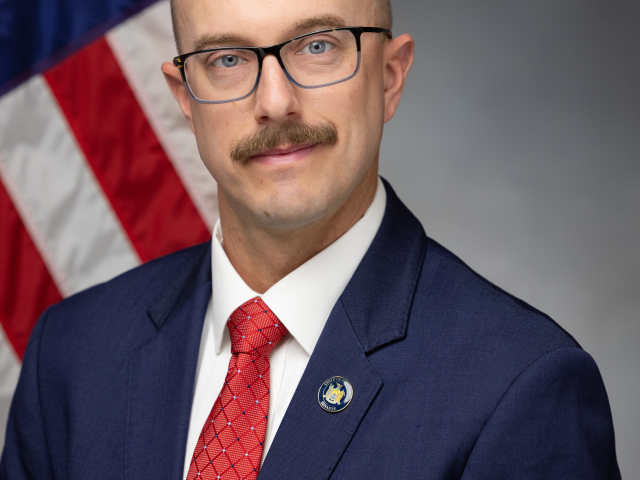
2025 Regular Session Introduced by Mark Walczyk

Authorizes trained pharmacists to initiate and dispense HIV PrEP/PEP without an individual prescription under a standing order, with testing, limits, and insurer coverage.

REFERRED TO TRANSPORTATION
0
WeVote Research Nonpartisan
Bill Summary · S 2019

Bill Summary — S.2019

Note on source materials: The documents provided for “S 2019” contain inconsistent metadata. Although the supplied bill header lists a title about distinctive license plates for the U.S. Army 10th Mountain Division, the substantive bill text, committee statements, and fiscal note overwhelmingly describe legislation authorizing pharmacists to furnish HIV prophylaxis (PrEP and PEP) without an individual prescription. This summary focuses on the actual legislative content in the documents (pharmacist-dispensed HIV prophylaxis). Users should verify the correct bill title and jurisdiction before citation.

Overview / Purpose

S.2019 (New Jersey reprint versions) authorizes trained pharmacists to initiate and furnish HIV pre‑exposure prophylaxis (PrEP) and post‑exposure prophylaxis (PEP) to patients without an individual prescription under a standing order from the state health official. The bill also requires health plans (including State Health Benefits, School Employees’ Health Benefits, and Medicaid/NJ FamilyCare) to cover these services and medications under specified conditions.

Key provisions

  • Standing order: Pharmacists may provide PrEP/PEP without an individual prescription pursuant to a standing order issued by the Commissioner of Health (or Deputy Commissioner for Public Health Services).
  • Training & certification: Pharmacists must complete a Department of Health–approved training program (which must include information about financial assistance) and certify adherence to statutory protocols.
  • PrEP dispensing limits:
    • Pharmacist may furnish at least 30 days and up to a 90‑day supply (amended from earlier 60‑day) of PrEP without a prescription.
    • A patient may receive no more than one such supply within any two‑year period; thereafter a prescription from a primary care provider is required to continue PrEP.
    • Pharmacist must confirm a recent negative HIV test (within 7 days) — can administer a CLIA‑waived test or order testing — screen for acute infection symptoms, contraindicated medications, counsel on use/safety, document care, and notify the patient’s primary care provider unless the patient declines.
  • PEP dispensing requirements:
    • Pharmacist may furnish a complete PEP course if exposure occurred within the prior 72 hours and patient meets CDC clinical criteria.
    • Must provide HIV testing, counseling consistent with CDC guidance, inform about PrEP availability, and notify PCP unless patient refuses.
  • Standards of care: Services must follow CDC PrEP/PEP guidelines or, if unavailable, Department of Health–established guidelines consistent with the same standard of care.
  • Liability protection: Licensed pharmacists acting in good faith and relying on patient‑provided information are protected from civil/criminal/disciplinary liability under professional licensing statutes.
  • Insurance coverage and reimbursement:
    • Health plans with prescription benefits, State Health Benefits, School Employees’ Health Benefits, and Medicaid must cover PrEP/PEP furnished under the bill without prior authorization or step therapy for at least one version of the medication.
    • Pharmacist reimbursement for services to be no less than rates paid to other non‑physician practitioners for the same services; pharmacists must be afforded the same plan participation rights as other providers.
    • Health plans cannot prohibit pharmacists from dispensing PrEP/PEP; plans are not required to cover quantities exceeding the statutory limits or out‑of‑network dispensing unless plan includes out‑of‑network pharmacy benefits.

Who is affected

  • Patients at risk for HIV or recently exposed: improved access to timely PrEP/PEP.
  • Pharmacists and pharmacies: expanded scope of practice contingent on training and standing orders; new documentation, counseling, testing responsibilities.
  • Health insurers and public programs (NJ FamilyCare/Medicaid, State/School health benefit plans): new coverage requirements and reimbursement obligations.
  • State Department of Health/Board of Pharmacy: responsible for issuing standing orders, approving training, and maintaining provider resources.

Fiscal impact

  • Office of Legislative Services (fiscal estimate): Net State and local expenditure increases are indeterminate. Anticipated increased NJ FamilyCare (Medicaid) expenditures with corresponding federal Medicaid revenue due to potential increased use of prophylaxis. Costs to State/School health plans are indeterminate and may rise if greater use of brand (more costly) drugs occurs.

Procedural status (from provided timeline)

  • Multiple committee reports and reprints appear in late 2024 and mid‑2025 (Senate Health committee report 12/9/2024; Budget & Appropriations report 6/26/2025).
  • Introduced and acted upon in 2024–2025 sessions; some entries show passage in Senate and referrals to Assembly/other committees. Several hearing dates and referrals are recorded; status appears to have progressed through Senate committees and appropriations.

Important notes / recommendation

  • The supplied materials appear to mix documents and metadata from different jurisdictions and bills (including Massachusetts docket text and unrelated bill titles). Before formal use or citation, confirm the correct bill number, title, and jurisdiction with the legislative clerk or official source.

Compiled from official sources — confirm details with the bill’s official record.

Sign in to ask a question.