

WeVote

Bill

Bill

HB 2737

COSMETOLOGY-LICENSE EDUCATION

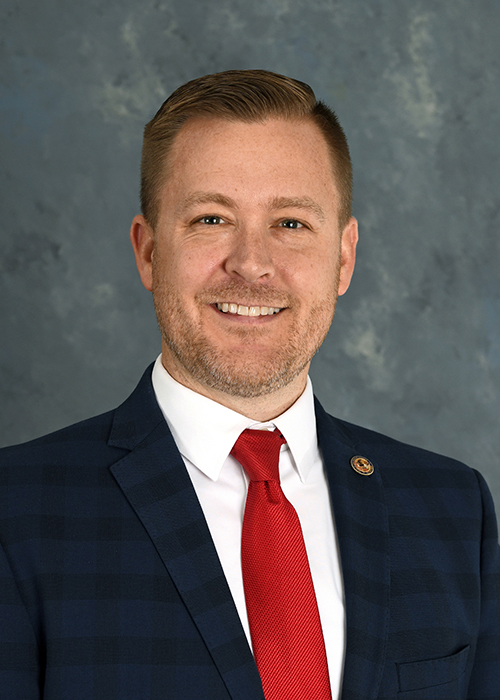
104th Regular Session Introduced by C.D. Davidsmeyer

HB 2737 allows up to 50% online instruction, 10% internships, and a 750-hour hands-on licensure pathway via an approved online course with supervised hours.

Rule 19(a) / Re-referred to Rules Committee
0
WeVote Research Nonpartisan
Bill Summary · HB 2737

HB 2737 — Summary (Cosmetology / Barber / Licensing education changes)

Note on versions: The materials provided include multiple, conflicting documents (an Arizona water-related Chaptered/Engrossed version and an Illinois introduced bill). This summary focuses on the cosmetology/barber licensing provisions in the Illinois introduced HB 2737 (sponsored by Rep. Christopher “C.D.” Davidsmeyer), consistent with the bill title “COSMETOLOGY‑LICENSE EDUCATION.”

Main purpose

To modernize education and training pathways for cosmetology, barbering, teacher training, and related licenses by (1) allowing a greater share of required instruction to be delivered online or by distance education, (2) permitting a portion of training to be completed through supervised internships, and (3) creating an alternative pathway combining an approved online course with reduced supervised hands‑on hours for cosmetology licensure.

Key provisions

  • Online/distance instruction:
    • Schools (barbering, cosmetology, teacher training) may deliver up to 50% of the required hours for theory/practicum portions via online or distance study, subject to Department rules (including subject-matter limits).
  • Internships:
    • Schools may allow up to 10% of required training hours to be completed through an internship supervised by a licensed professional, subject to Department rules.
  • Cosmetology licensure alternative pathway:
    • A person may be licensed as a cosmetologist after completing (a) an online course approved by the Department of Financial and Professional Regulation (IDFPR) and (b) 750 hours of supervised hands‑on training (reduced from the historical 1,500‑hour classroom/program requirement).
    • The 750 supervised hours must span at least 8 months and not exceed 7 consecutive years.
    • Hands‑on training completed under another U.S. state/territory or a foreign jurisdiction may be credited toward the 750 hours if supervised by a licensed cosmetologist in that jurisdiction.
  • Teacher training (barber/cosmetology teachers):
    • Permits portions of required teacher training/practicum hours to be delivered online (up to 50%) consistent with IDFPR rules.

Who is affected

  • Cosmetology and barber students and apprentices — more flexible pathways and potential reduction in on‑site hours.
  • Cosmetology/barber schools and training programs — responsibility to adapt curricula, incorporate approved online coursework, and comply with IDFPR rules.
  • Licensed cosmetologists/barbers — potential increased role as internship/supervision providers.
  • IDFPR — authority to set implementing rules, subject‑matter limitations, and approval processes for online courses and internship standards.
  • Individuals trained out of state or abroad — possible crediting of supervised hands‑on experience.

Implementation & oversight

  • Changes are contingent on IDFPR rulemaking (subject‑matter and other limitations).
  • Time windows for supervised training (8 months to 7 years) and percentage limits (50% online, 10% internship) are explicit in the bill.
  • The bill provides mechanisms for crediting out‑of‑jurisdiction training when supervised appropriately.

Potential impacts (summary)

  • Increases flexibility and access to licensure (especially for remote learners).
  • Could accelerate workforce entry for cosmetology professionals.
  • Raises implementation considerations for maintaining practical skill quality and ensuring consistent supervision — addressed in part by IDFPR rule authority.

If you want, I can:
- Extract and summarize the exact changes to each statutory subsection (e.g., Sections 2‑2, 3‑2, 3‑3, 3A‑2) or
- Draft a one‑page briefing for training providers on compliance implications and next steps for adapting curricula.

Compiled from official sources — confirm details with the bill’s official record.

Sign in to ask a question.