

WeVote

Bill

Bill

SF 5256

Correctional facilities provided partnerships for dental services authorization provision, commissioner of corrections to improvement of correctional facilities' dental services requirement and appropriation

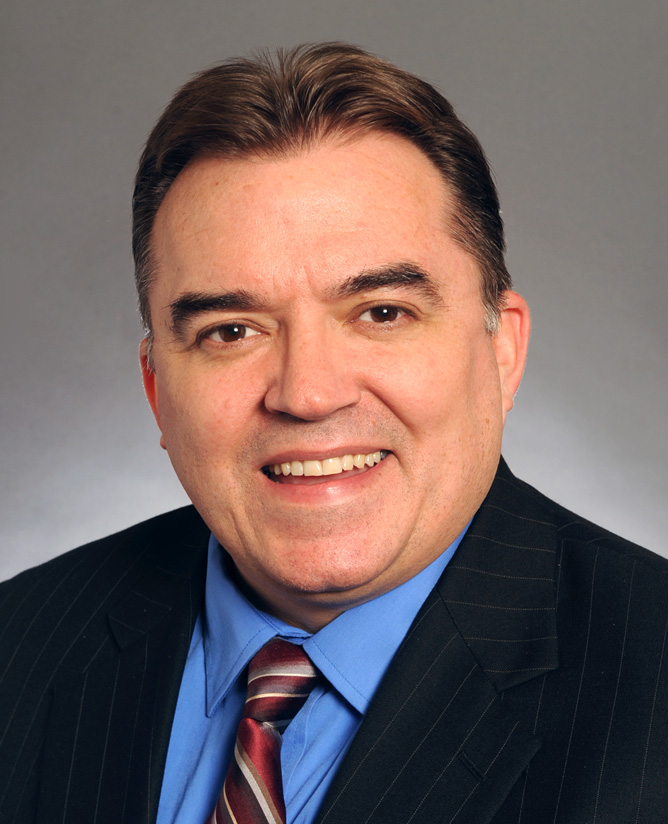
2025-2026 Regular Session Introduced by John Hoffman and 2 co-sponsors

The bill aims to improve incarcerated individuals’ dental care by pursuing partnerships with nonstate entities (schools, mobile clinics) and funding evaluations to expand preventiv

Author added Oumou Verbeten
0
WeVote Research Nonpartisan
Bill Summary · SF 5256

Summary of SF 5256 (2025-2026) – Minnesota

Purpose and intent

SF 5256 proposes authorizing and promoting partnerships to provide dental services inside Minnesota correctional facilities. The bill directs the Commissioner of Corrections to identify, evaluate, and pursue collaborations with nonstate entities to improve dental care for incarcerated individuals. It also authorizes appropriations to support these improvements and the evaluation of potential partnerships, with a requirement to report findings and recommendations to the legislature.

Key provisions

Section 1: Third-party partnerships in correctional facilities; direction to the Commissioner

  • The Commissioner of Corrections must identify and evaluate partnership options to improve dental services in correctional facilities through nonstate entities.
  • Evaluated partnership options include:
    1. Accredited schools of dentistry and schools of dental hygiene (including the University of Minnesota School of Dentistry).
    2. Dental programs for the practice of dentistry or dental hygiene for students and clinical trainees under supervision by a Minnesota-licensed dentist or hygienist.
    3. Mobile dental clinics.
  • By January 15, 2027, the Commissioner must report to the legislative committees with jurisdiction over public safety, corrections policy, and finance on the evaluated options.
  • The report must include recommendations on:
    • (1) Dental partnerships that would improve dental services in correctional facilities.
    • (2) Financing a dental partnership in correctional facilities.
    • (3) Any other legislative actions needed to improve dental services in correctional facilities.
  • The Commissioner must also take steps to improve dental services by increasing:
    • Preventative care for inmates.
    • Restorative and periodontal treatments.
    • Access to urgent and emergency dental care.

Section 2: Appropriations

  • A General Fund appropriation (amount unspecified in the text provided) in fiscal year 2027 to the Commissioner of Corrections to improve dental services (focus on preventive, restorative, periodontal care, and urgent/emergency access).
  • A separate General Fund onetime appropriation (amount unspecified in the text provided) in fiscal year 2027 to the Commissioner of Corrections for the evaluation of and reporting on partnerships with nonstate entities to improve dental services in correctional facilities.

Affected entities

  • Minnesota Department of Corrections (DOC) and its facilities (inmates and staff indirectly).
  • Potential partner organizations, including:
    • Accredited dental schools and hygiene schools (e.g., University of Minnesota School of Dentistry).
    • Dental programs operating within Minnesota (supervised student/trainee clinical programs).
    • Mobile dental clinics and other nonstate entities capable of providing services in correctional settings.
  • Legislative committees overseeing public safety, corrections policy, and finance.

Procedural and timeline aspects

  • Evaluation and report due: January 15, 2027 to specified legislative committees.
  • The report must assess options, financing, and any additional legislative actions needed.
  • It requires ongoing improvements to dental services in terms of preventive care, restorative/periodontal care, and urgent/emergency access.
  • Appropriations are requested for FY2027 (two onetime or ongoing funds unspecified in amount) to support both service improvements and the evaluation/reporting process.
  • Introduced May 1, 2026; assigned to Judiciary and Public Safety for consideration.

Potential impact

  • Expands opportunities to leverage academic and mobile dental programs to deliver services inside prisons.
  • Aims to close gaps in inmate dental care, emphasizing preventive and urgent care alongside restorative services.
  • Creates a structured process for evaluating partnerships and securing funding, with a formal legislative reporting requirement.
  • Could lead to new funding streams, partnerships, and operational changes within the DOC to improve oral health outcomes for incarcerated individuals.

Compiled from official sources — confirm details with the bill’s official record.

Sign in to ask a question.