

WeVote

Bill

Bill

SB 4202

CONTROLLED SUB-SCHEDULING

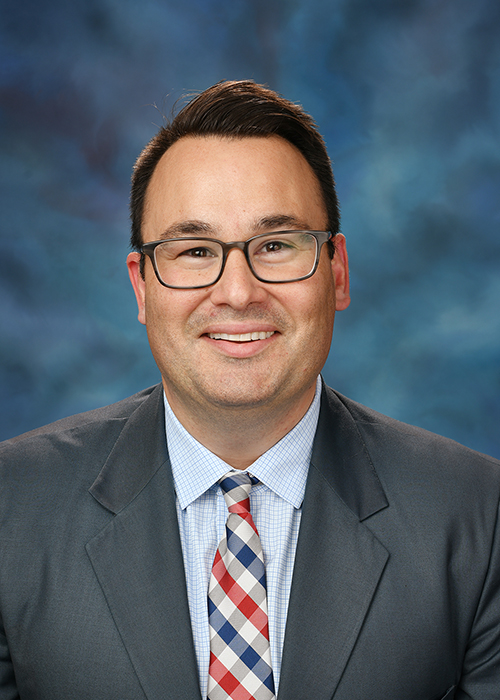
104th Regular Session Introduced by Mike Porfirio

Illinois automatically aligns its controlled substances scheduling with federal actions after 30 days, unless objections trigger a public hearing and ruling.

Referred to Assignments
0
WeVote Research Nonpartisan
Bill Summary · SB 4202

Overview

SB4202, introduced in the Illinois 104th General Assembly, would modify how the state’s Controlled Substances Act responds to changes in federal scheduling. The bill aims to streamline Illinois’ alignment with federal scheduling actions by automatically applying federal scheduling decisions after a 30-day window, unless the state takes action or a formal objection process is triggered. It also preserves a public hearing mechanism if objections arise and clarifies procedural timelines for Department of Human Services action.

Main purpose and intent

  • To ensure Illinois acts in parity with federal scheduling decisions for controlled substances.
  • To establish a time-bound process for state scheduling actions following federal scheduling, rescheduling, or deletion orders.
  • To provide a streamlined, rule-based final decision framework after public hearing objections, with explicit publication timelines.

Key provisions and changes

  • Automatic alignment with federal scheduling:
    • When a substance is scheduled, rescheduled, or deleted under federal law and the federal notice is published in the Federal Register, the Illinois Department of Human Services (or its successor agency) shall, after 30 days, consider the substance scheduled/rescheduled/deleted in the same manner as under federal law, unless action is taken to object or changes occur as described below.
  • Trigger and objection process:
    • If, within the initial 30-day window, the Department objects or a party with substantial written objections files with the Department, the automatic alignment does not take effect as scheduled.
    • The Department must publish its reasons for objection (or for substantial objections) and provide an opportunity for a public hearing within 45 days.
    • The public hearing must be held no later than 45 days after the statement of objection.
    • After the hearing, the Department must publish its decision within 14 days, via a rule that is final unless altered by statute.
    • Once objections are published, the automatic state control corresponding to the federal action is stayed until the Department publishes its ruling.
  • Public rulemaking framework:
    • Decisions following the public hearing are issued by rule and become final unless later statute provides otherwise.
  • Substantive considerations for scheduling actions:
    • The Department (or its successor) may add, delete, or reschedule substances using administrative rules, based on factors such as:
    • Potential for misuse and historical/patterns of misuse
    • Pharmacological effects and current scientific knowledge
    • Public health risks and potential for dependence or use disorders
    • Availability as immediate precursors to other controlled substances
    • Immediate harmful effects and long-term health implications
  • Scope and exclusions:
    • Authority to control under this section does not apply to distilled spirits, wine, malt beverages, or tobacco as defined in applicable licensing or tax acts.
    • Registration and security obligations for manufacturers/distributors licensed by the DEA are retained, but some security requirements are relaxed for certain substances (e.g., not requiring strict vault-like controls for certain Schedule II/containing pseudoephedrine or dextromethorphan products).

Who/what would be affected

  • Substances currently or newly controlled under Illinois law would be aligned with federal scheduling actions automatically after 30 days, subject to objections.
  • Illinois Department of Human Services (or successor agency) would implement and publish federal-aligned scheduling decisions, or respond with objections and conduct public hearings as needed.
  • Stakeholders including manufacturers, distributors, and users of controlled substances could be affected by state scheduling changes and associated regulatory controls, with the possibility of delayed or altered scheduling outcomes if objections are raised.

Procedural and timeline aspects

  • Federal action occurs first: a substance is scheduled/rescheduled/deleted under federal law with notice published in the Federal Register.
  • Illinois 30-day window:
    • If no objections, the substance is considered scheduled/rescheduled/deleted in Illinois in the same manner as federal law.
    • If the Department objects within 30 days, or substantial objections are filed, the automatic alignment is paused.
  • Objection process and public hearing (if triggered):
    • Department publishes reasons for objections.
    • Public hearing held within 45 days of the objection.
    • Decision published within 14 days after the hearing, via a rule (final unless altered by statute).
    • Objections stay the Illinois scheduling action until the ruling is published.
  • Effective date: The act states it takes effect upon becoming law.

Effective date

  • Effective upon becoming law.

If you’d like, I can tailor this summary for a specific audience (e.g., policymakers, legal professionals, or public readers) or add a quick comparison to current Illinois practice without the bill.

Compiled from official sources — confirm details with the bill’s official record.

Sign in to ask a question.