

WeVote

Bill

Bill

AB 521

Contractors State License Board: bond deposits: liability for legal fees and costs.

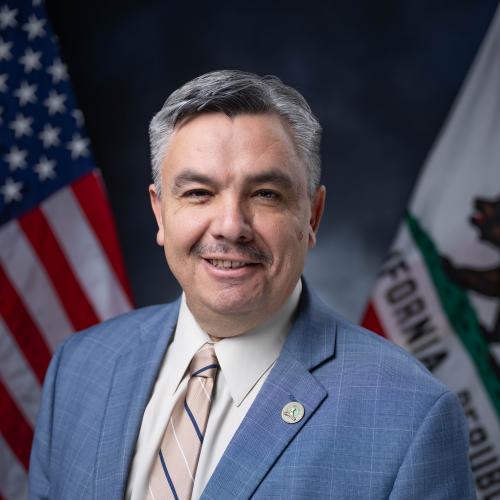
2025-2026 Regular Session Introduced by Juan Carrillo

California law now allows the Contractors State License Board to use contractor bond deposits to pay legal fees and court costs in enforcement actions, expanding use beyond consumer restitution.

Chaptered by Secretary of State - Chapter 265, Statutes of 2025.
0
WeVote Research Nonpartisan
Bill Summary · AB 521

Legislative bill overview

AB 521 modifies California's contractor licensing regulations to allow the Contractors State License Board (CSLB) to use contractor bond deposits to cover legal fees and court costs incurred in enforcement actions against licensed contractors. Previously, bond deposits could only be used for direct consumer restitution. The bill expands the permissible uses of these bonding requirements.

Why is this important

Contractors are required to maintain bonds as consumer protection mechanisms. This change allows the CSLB to pursue enforcement actions more aggressively by shifting some litigation costs from the state budget to contractor bonds, potentially improving the board's ability to discipline unlicensed or non-compliant contractors. However, it also increases the financial liability contractors face when disputes arise, which could affect licensing costs and availability of construction services.

Potential points of contention

  • Cost burden shift: Contractors and industry groups may argue this unfairly transfers government enforcement costs to private bonding, effectively raising the real cost of doing business and licensing.
  • Consumer protection trade-off: Using bond money for legal fees means less money available for actual consumer restitution if disputes arise, potentially leaving injured consumers with smaller compensation pools.
  • Enforcement incentives: Critics may worry the CSLB has increased financial incentive to pursue cases regardless of merit, since successful enforcement directly replenishes the fund used to finance additional enforcement.

Compiled from official sources — confirm details with the bill’s official record.

Sign in to ask a question.