

WeVote

Bill

Bill

SF 1694

Constitutional Amendment proposal to place term limits on the office of legislators and executive officers

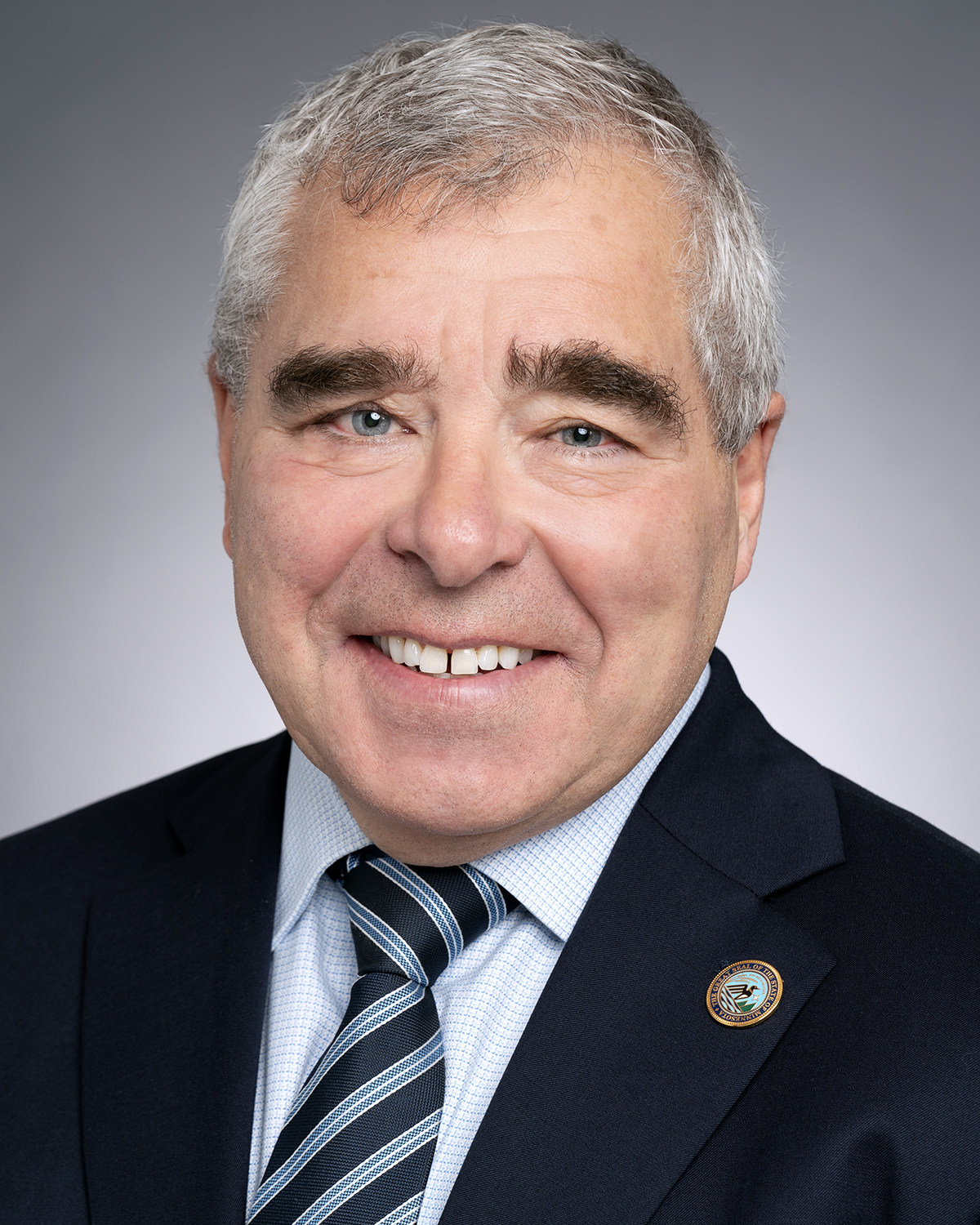
2025-2026 Regular Session Introduced by Steve Cwodzinski and 1 co-sponsor

Proposes constitutional amendment imposing term limits on Minnesota state legislators and executive officers, requiring two-session passage and voter referendum approval.

Author added Cwodzinski
0
WeVote Research Nonpartisan
Bill Summary · SF 1694

Legislative bill overview

SF 1694 proposes a constitutional amendment that would impose term limits on Minnesota state legislators and executive officers. The bill requires passage by the legislature in two consecutive sessions and voter approval through a statewide referendum to become effective. This follows a long-standing national debate about whether term limits improve governance or undermine legislative expertise.

Why is this important

Term limits would fundamentally reshape Minnesota's political landscape by preventing long-serving incumbents from retaining office indefinitely. This could increase turnover, reduce incumbent advantage in elections, and potentially shift power dynamics between legislative bodies and executive branches—with real consequences for how bills are crafted and policy expertise is maintained.

Potential points of contention

  • Legislative experience and expertise: Opponents argue term limits force out seasoned legislators who understand complex policy areas, while supporters contend entrenched lawmakers become disconnected from constituents
  • Power dynamics: Term limits may shift influence toward lobbyists, staff, and executive branches who maintain continuity, potentially reducing legislative independence
  • Democratic choice vs. restriction: Supporters see limits as anti-corruption tools preventing career politicians; critics argue voters already have the power to impose term limits through elections and shouldn't be constitutionally restricted from choosing experienced representatives

Compiled from official sources — confirm details with the bill’s official record.

Sign in to ask a question.