

WeVote

Bill

Bill

HB 846

Conservation easements; exempts real property burdened by an easement, etc.

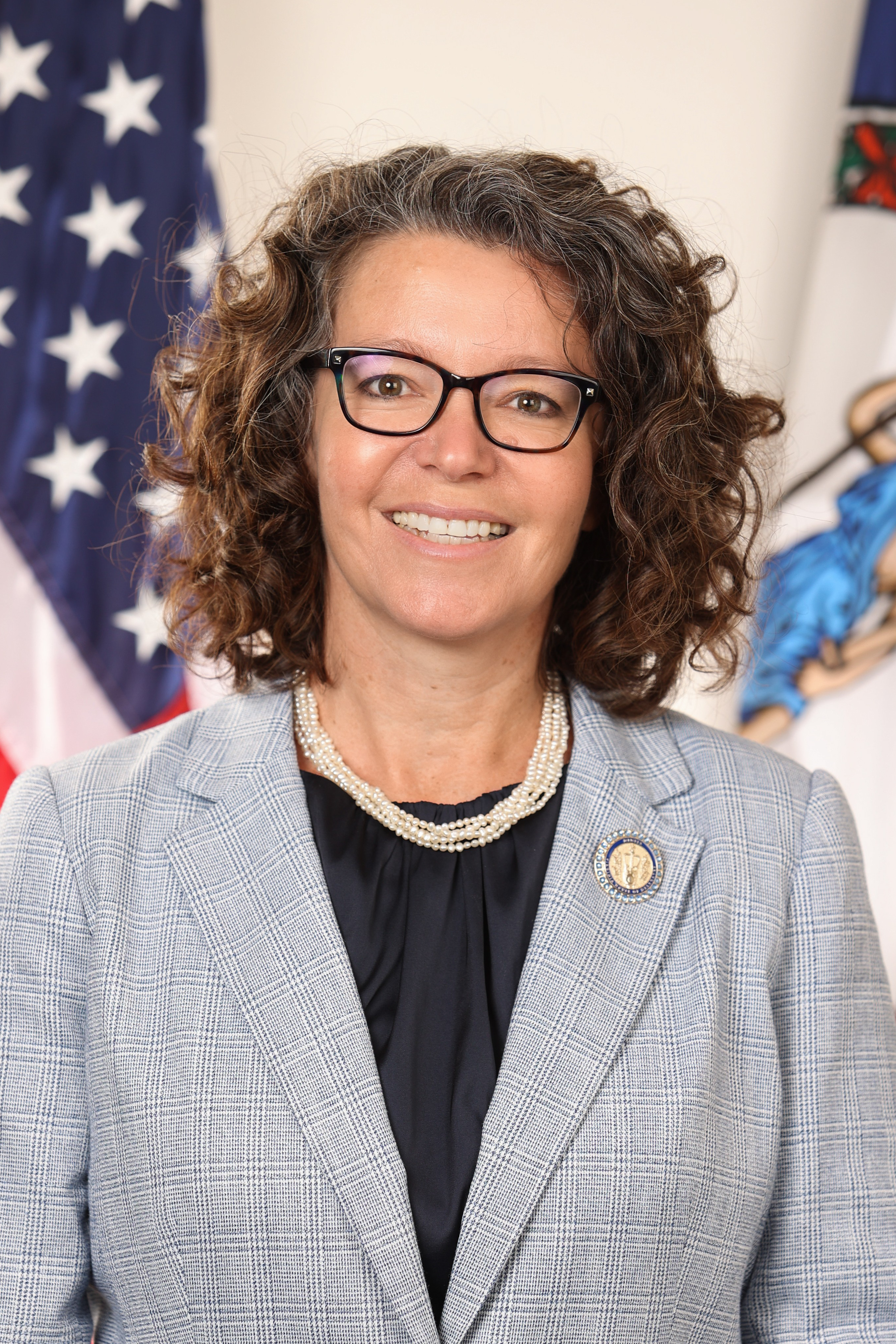
2026 Regular Session Introduced by Amy Laufer and 1 co-sponsor

Virginia bill exempts conservation easement-burdened property from certain tax or regulatory burdens to incentivize voluntary land preservation.

Committee substitute printed 26107146D-H1
0
WeVote Research Nonpartisan
Bill Summary · HB 846

Legislative bill overview

HB 846 exempts real property burdened by conservation easements from certain tax obligations or regulatory requirements in Virginia. The bill has advanced through House committees with bipartisan support and a committee substitute that modified the original language. Conservation easements are legal agreements that restrict development on land to preserve its natural, agricultural, or historical character.

Why is this important

Conservation easements are a key tool for protecting Virginia's farmland, forests, and natural areas from development while allowing landowners to retain ownership. Tax exemptions or regulatory relief for easement-burdened properties can incentivize voluntary conservation by reducing the financial burden on landowners, potentially accelerating protection of environmentally sensitive lands. However, the specific exemptions directly impact local tax bases and enforcement mechanisms.

Potential points of contention

  • Local revenue impact: Exempting easement properties from certain taxes reduces funding available to counties and municipalities that depend on property tax revenue for schools, infrastructure, and services
  • Definition and scope ambiguity: The bill's specifics on which easements qualify and what exemptions apply remain unclear without seeing final language; overly broad definitions could be exploited
  • Enforcement and monitoring: Conservation easements require ongoing stewardship; reduced funding or oversight capacity from tax exemptions could compromise the ability to monitor easement compliance and prevent violations

Compiled from official sources — confirm details with the bill’s official record.

Sign in to ask a question.