

WeVote

Bill

Bill

SF 1330

Consecutive sentences requirement for assaults committed by certain inmates of local facilities

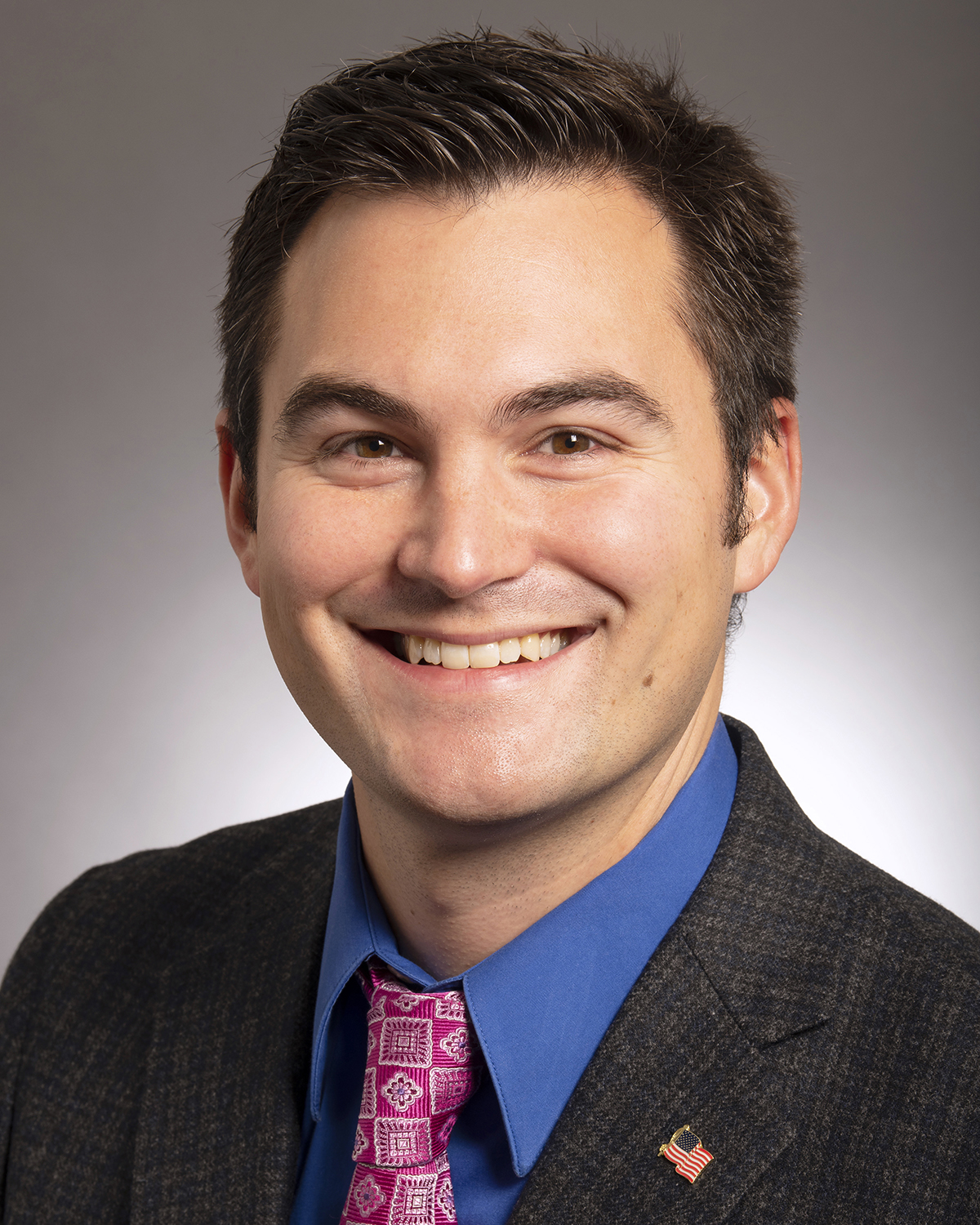
2025-2026 Regular Session Introduced by Zach Duckworth and 4 co-sponsors

Minnesota bill requires consecutive sentences for assaults by local jail inmates, stacking additional prison time rather than running sentences simultaneously to increase penalties for in-custody violence.

Referred to Judiciary and Public Safety
0
WeVote Research Nonpartisan
Bill Summary · SF 1330

Legislative bill overview

SF 1330 would require that sentences for assaults committed by inmates in local correctional facilities be served consecutively (back-to-back) rather than concurrently (simultaneously). The bill applies specifically to inmates already incarcerated in county jails and similar local detention facilities who commit additional assault offenses while in custody.

Why is this important

Prison violence is a serious public safety concern affecting both incarcerated individuals and correctional staff. This bill directly addresses repeat violent behavior by inmates through sentencing structure, potentially increasing consequences for assault while incarcerated and theoretically incentivizing better institutional conduct.

Potential points of contention

  • Sentencing philosophy debate: Consecutive sentencing is more punitive; critics may argue rehabilitation and behavior management programs are more effective than extended sentences for addressing institutional violence
  • Correctional facility burden: Longer sentences could increase strain on already-crowded local facilities and create resource allocation challenges for counties
  • Scope and fairness: The bill targets only local facilities; questions may arise about why state prisons are excluded and whether this creates inconsistent treatment across the correctional system
  • Judicial discretion: The requirement removes judge flexibility in sentencing decisions based on individual circumstances of each assault case

Compiled from official sources — confirm details with the bill’s official record.

Sign in to ask a question.