

WeVote

Bill

Bill

S 4637

Conrad 30 Physician Workforce Optimization Act

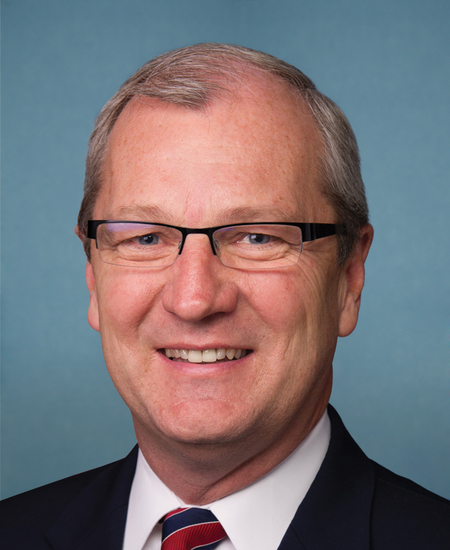
119th Congress Introduced by Kevin Cramer and 1 co-sponsor

Raises flex waiver slots per state from 10 to 15 and adds a national secondary match portal to place alien physicians who missed initial waiver opportunities.

Introduced in Senate
0
WeVote Research Nonpartisan
Bill Summary · S 4637

Overview

S. 4637, the Conrad 30 Physician Workforce Optimization Act, introduces two main changes to the existing Conrad 30 program governing J-1 visa waivers for foreign medical graduates:

  • Increase the maximum number of Conrad 30 flex waiver slots available in each state from 10 to 15.
  • Create a secondary physician match portal to help alien physicians who could not secure a waiver or employment in their preferred state to find opportunities in other states.

Speaker: Introduced in the 119th Congress on May 21, 2026, by Senator Roger W. (Cramer) with Senator Klobuchar as a co-sponsor.

1) Main Purpose and Intent

  • Expand access to J-1 visa waiver slots to address physician shortages by increasing flexibility for states.
  • Create a national, cross-state mechanism (secondary match portal) to help alien physicians who were unable to obtain a waiver or secure employment in their initial waiver process, thereby improving overall physician placement and distribution.

2) Key Provisions and Changes

  • Section 2: Increasing Flex Waiver Slots

    • Amends Section 214(l)(1)(D)(ii) of the Immigration and Nationality Act.
    • Replaces the current “10” with “15” flex waiver slots per state, effectively adding 5 additional slots per state.
  • Section 3: Secondary Physician Match Portal

    • Adds a new subsection to Section 214(l) of the INA implementing a portal for alien physicians who:
    • Are J-1 nonimmigrants who have applied for a waiver of the two-year foreign residence requirement (212(e)) but were not selected by their state, or
    • Sought but were unable to submit an authorized application due to the state cap being reached or other issues.
    • Request inclusion in the portal.
    • Portal usage and access
    • States or employers in states with unfilled waivers may use the portal to access information about qualified alien physicians seeking full-time primary or specialty care positions.
    • An attestation process is required for information about international medical graduates seeking portal inclusion.
    • Secondary match period
    • Establishes a secondary match period not to exceed 60 days.
    • Employers in states with available waivers can review and interview portal-listed alien physicians before March 1 of the current fiscal year.
    • Information and process requirements
    • Portal must include essential information from the physician’s initial waiver application to streamline the secondary process.
    • Employers must certify:
      • Facilities are in a Health Professional Shortage Area (HPSA) or medically underserved area, or that they are seeking an applicable flex waiver under 214(l)(1)(D)(ii).
      • They have unsuccessfully advertised the position for which the alien physician will be hired.
    • Access to the portal is provided to state health departments and prospective employers.
    • Best practices and core requirements
    • The Director, after consultation with state health departments, must publish best practices and core requirements to assess the sufficiency of waiver applications for the secondary match and to ensure a streamlined process.

3) Who or What Would Be Affected

  • State health departments and public health agencies (administrative partners in processing waivers and coordinating with employers).
  • Employers in states with physician shortages seeking J-1 waiver-based placements (especially in primary or specialty care).
  • Alien physicians (international medical graduates) eligible for J-1 waivers who did not obtain a waiver or employment in their preferred state.
  • Health care facilities located in HPSAs or medically underserved areas seeking to hire alien physicians under the flex waiver framework.

4) Procedural and Timing Aspects

  • Legislative status: Introduced in the Senate on May 21, 2026; referred to the Judiciary Committee.
  • Effective dates and implementation details are not specified in the text provided; the bill sets up a portal and increases slot limits, implying phased or future implementation contingent on final passage and related regulations.
  • The secondary match period is capped at 60 days and is aligned with a defined deadline around March 1 of the fiscal year for employer interviews.

Potential Impacts

  • Increased supply of J-1 visa waiver slots (from 10 to 15 per state) could improve access to healthcare in underserved areas by matching more foreign-trained physicians to U.S. positions.
  • The secondary match portal aims to reduce unemployment or underemployment of alien physicians who missed initial waiver opportunities, potentially improving physician distribution and addressing shortages more dynamically.
  • The portal introduces standardized best practices and verification (attestations) to ensure that placements are in areas with shortages and that positions have been appropriately advertised.

Note: The bill’s exact fiscal impact, implementation timeline, and any related regulatory steps would depend on final enactment and subsequent rulemaking.

Compiled from official sources — confirm details with the bill’s official record.

Sign in to ask a question.