

WeVote

Bill

Bill

SB 386

Conduct of elections; prohibiting state or political subdivision from enacting certain voting method; authorizing civil action for certain violations. Emergency.

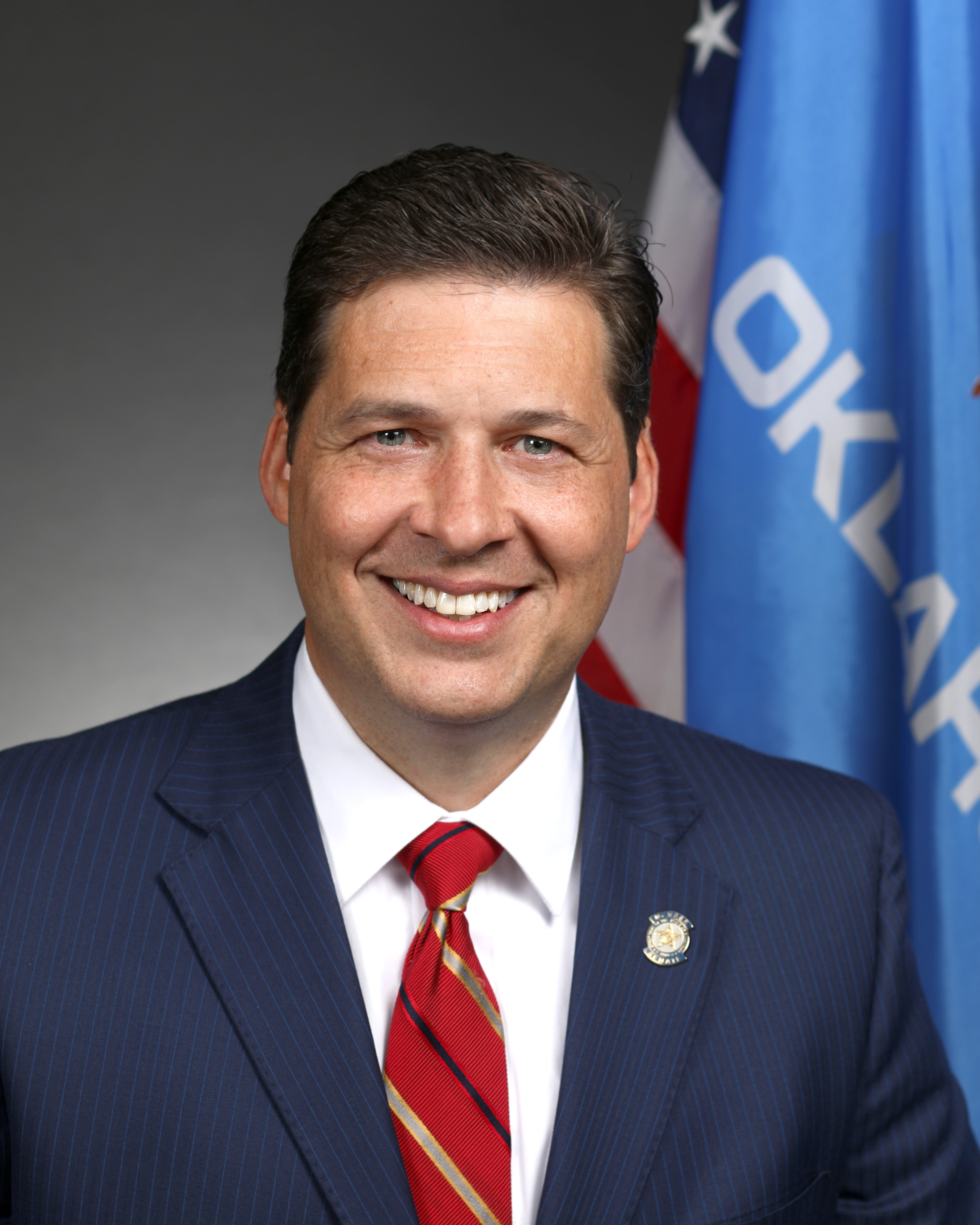
2025 Regular Session Introduced by Shane Jett

Oklahoma bill prohibits certain voting methods and authorizes private lawsuits against state/local governments for violations, affecting election administration practices.

Second Reading referred to Judiciary
0
WeVote Research Nonpartisan
Bill Summary · SB 386

Legislative bill overview

SB 386 prohibits Oklahoma state and local governments from implementing certain voting methods and creates a civil action mechanism for enforcing these restrictions. The bill is designated as emergency legislation, suggesting its sponsors view it as time-sensitive. The specific voting methods being prohibited are not detailed in the available bill summary.

Why is this important

Voting method regulations directly affect how citizens participate in elections and can impact accessibility, convenience, and turnout rates. Civil action provisions allow private parties to sue government entities, shifting enforcement from traditional administrative channels to the courts, which can have significant cost and implementation implications for election officials.

Potential points of contention

  • Vagueness on prohibited methods: Without knowing which specific voting methods are targeted, it's unclear whether this affects mail-in voting, early voting, ranked-choice voting, electronic voting systems, or other mechanisms—each with different stakeholder implications
  • Judicial enforcement costs: Creating private civil action rights may burden courts and local governments with litigation over election procedures, potentially diverting resources from election administration itself
  • Federal law conflicts: Certain voting restrictions could conflict with federal election law requirements or constitutional protections, risking legal challenges that could delay or block implementation

Compiled from official sources — confirm details with the bill’s official record.

Sign in to ask a question.