

WeVote

Bill

Bill

SB 5655

Concerning child care centers operated in existing buildings.

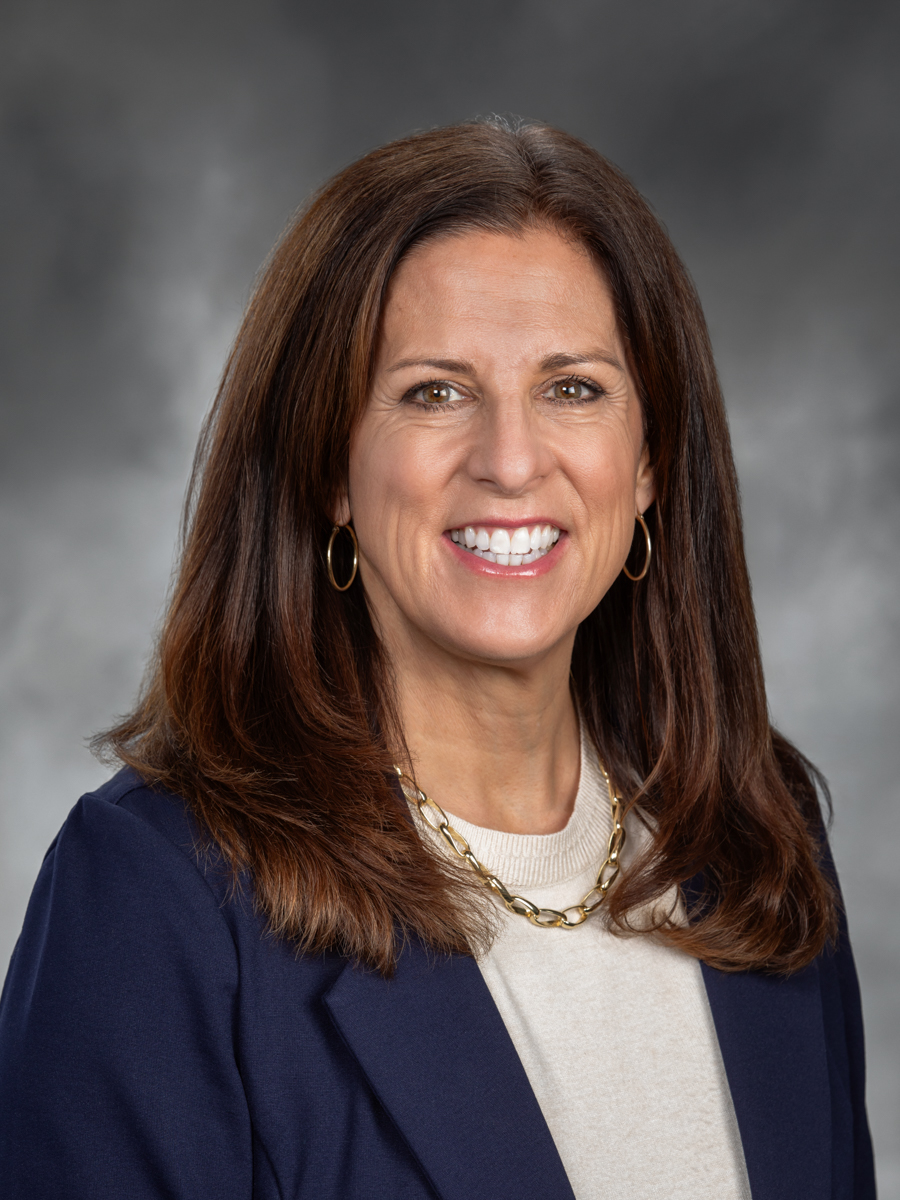
2025-2026 Regular Session Introduced by Deb Krishnadasan and 3 co-sponsors

The bill allows occupancy load for child care in a dedicated space within a multi-use building to be calculated only on the child care area, not the whole building.

Effective date 7/27/2025.
0
WeVote Research Nonpartisan
Bill Summary · SB 5655

Summary — SB 5655 (Chapter 150, 2025 Session)

Concerning child care centers operated in existing buildings

Purpose / Intent

The bill is intended to increase access to licensed child care by making it easier and more cost‑effective to locate child care centers inside existing multi‑use buildings (for example, churches or school buildings). The Legislature found a public benefit in re‑using existing spaces rather than building new facilities on open land, and sought to remove an administrative barrier that can make conversions financially untenable.

Key provisions

  • Adds a new section to chapter 19.27 RCW (State Building Code authority): when a child care center operates in a dedicated space within an existing building that has more than one use, the local building official must calculate the child care center’s occupancy load based only on the areas of the building where child care services are provided. This applies when administering and enforcing any building codes adopted under that chapter.
  • Amends RCW 43.216.265 (duties of the Washington State Patrol, Director of Fire Protection): when a child care center operates in a dedicated space within an existing multi‑use building, the Director of Fire Protection must calculate the occupancy load for the child care center based only on the area used for child care (added as a specific duty).
  • The bill does not change occupant load standards themselves (the underlying codes’ per‑person area requirements remain); it changes how the area subject to that calculation is defined for child care in multi‑use buildings.

Who is affected

  • Child care providers and prospective licensees seeking to operate in parts of existing buildings (e.g., churches, community centers, schools).
  • Building owners who may offer portions of their buildings for child care use.
  • Local building officials and the Washington State Patrol Director of Fire Protection (State Fire Marshal), who will apply the area‑limited occupancy calculation during plan review, inspection, and licensing actions.
  • The Department of Children, Youth, and Families (DCYF) insofar as licensure and related inspections interact with building and fire code compliance.

Potential impacts

  • Lowers a regulatory barrier that can trigger building‑wide requirements (e.g., plumbing fixture counts, sprinkler or alarm system thresholds) based on whole‑building occupant load, thereby reducing cost and complexity for converting or dedicating part of a building to child care.
  • Aims to expand available child care capacity—particularly in rural areas—without changing minimum life‑safety standards embedded in the building and fire codes. Testimony submitted in support asserted no reduction to life‑safety systems.
  • No direct appropriation; a fiscal note was requested/available.

Procedural history & effective date

  • Introduced: Feb 4, 2025. Passed Senate and House unanimously (Senate 49–0; House 98–0).
  • Delivered to Governor: Apr 17, 2025. Signed by Governor: Apr 22, 2025 (Chapter 150, 2025 Laws).
  • Effective date: July 27, 2025 (90 days after adjournment of the session).

Statutory references

  • Adds new section to chapter 19.27 RCW.
  • Amends RCW 43.216.265 (2018 c 58 s 42).

Compiled from official sources — confirm details with the bill’s official record.

Sign in to ask a question.