

WeVote

Bill

Bill

HB 2615

CONCEALED CARRY-COLLEGE

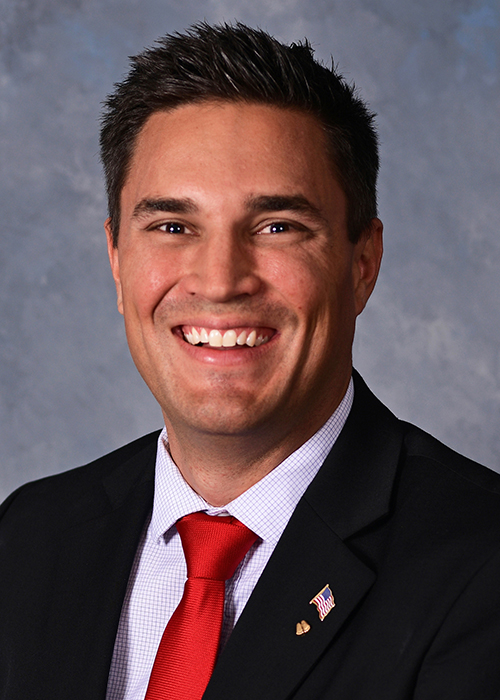
104th Regular Session Introduced by Adam Niemerg

HB 2615 removes campus ban on concealed carry, letting licensees carry in college facilities and property where allowed, while colleges retain vehicle and private-property bans.

Referred to Rules Committee
0
WeVote Research Nonpartisan
Bill Summary · HB 2615

Summary — HB 2615 (CONCEALED CARRY — COLLEGE)

Status: Referred to Rules Committee
Introduced: February 2025 (bill text identifies Rep. Adam M. Niemerg as sponsor)
Statutory reference: Amends the Firearm Concealed Carry Act (430 ILCS 66/65)

Note: The document provided includes text from an unrelated Arizona bill (also numbered HB 2615). This summary covers the Illinois concealed-carry language that amends 430 ILCS 66/65.

Purpose

The bill removes the explicit statutory prohibition that currently bars concealed-carry licensees from knowingly carrying a firearm into buildings and property controlled by public or private community colleges, colleges, or universities. Its intent is to allow license holders to carry concealed firearms on college and university campuses in locations that are no longer listed as prohibited under Section 65.

Key provisions / what the bill changes

  • Deletes the provision in Section 65(a)(15) of 430 ILCS 66/65 that expressly forbids a licensee from knowingly carrying a firearm into:
    • any building, classroom, laboratory, medical clinic, hospital, artistic/athletic/entertainment venue, officially recognized university-related organization property (owned or leased), and
    • any real property under college/university control, including parking areas, sidewalks, and common areas.
  • Leaves other Section 65 prohibitions intact (e.g., schools K–12, detention facilities, hospitals, certain alcohol-serving establishments, airports, nuclear sites, etc.).
  • Preserves and clarifies some college authorities in Section 65(a-5), including that a public or private college or university may:

    • prohibit firearms within vehicles owned/leased/controlled by the institution,
    • adopt policies on student/employee conduct and discipline,
    • develop policies for storage/maintenance of firearms and designate parking areas for vehicles that carry firearms,
    • permit carrying or use of firearms for recognized programs (e.g., military science, law enforcement training) or in designated shooting areas.
  • Keeps existing owner-rights (Section 65(a-10)): private property owners can prohibit concealed firearms on their property by posted sign (except private residences).

Who would be affected

  • Students, faculty, staff, campus visitors, and campus law-enforcement — by expanding where concealed-carry licensees may lawfully carry.
  • Colleges, universities, and their governing boards — because statutory campus-wide prohibition would be removed, though institutions retain some limited authority (notably over institution-owned vehicles and program-specific allowances).
  • Property owners and private entities on campus (e.g., venues leasing space) — retain ability to prohibit firearms where applicable under private-property rules and signage requirements.
  • Public safety and emergency response agencies — potential operational and policy implications for campus policing and security planning.

Remaining restrictions and interactions

  • Federal prohibitions and other state statutory prohibitions (listed elsewhere in Section 65) would still apply.
  • Colleges may still ban firearms in institution-owned vehicles, and private property prohibitions via posted signage remain enforceable.
  • Any conflicts between institutional policy and the statute could prompt further litigation or administrative rule-making.

Procedural / timeline notes

  • Currently at the Rules Committee (per bill metadata). No final vote or enactment date as of the provided information. Additional committee consideration, floor debate, amendments, or companion bill action could follow.

Potential impacts to monitor

  • Changes to campus safety policies and campus law enforcement procedures.
  • Whether colleges respond by adopting more restrictive on-campus policies (to the extent permitted) or by using private-property prohibitions for specific facilities.
  • Legal disputes over the scope of institutional authority vs. the rights of concealed-carry licensees.

Compiled from official sources — confirm details with the bill’s official record.

Sign in to ask a question.