

WeVote

Bill

Bill

SF 4604

Compliance training requirement for high-risk medical assistance providers

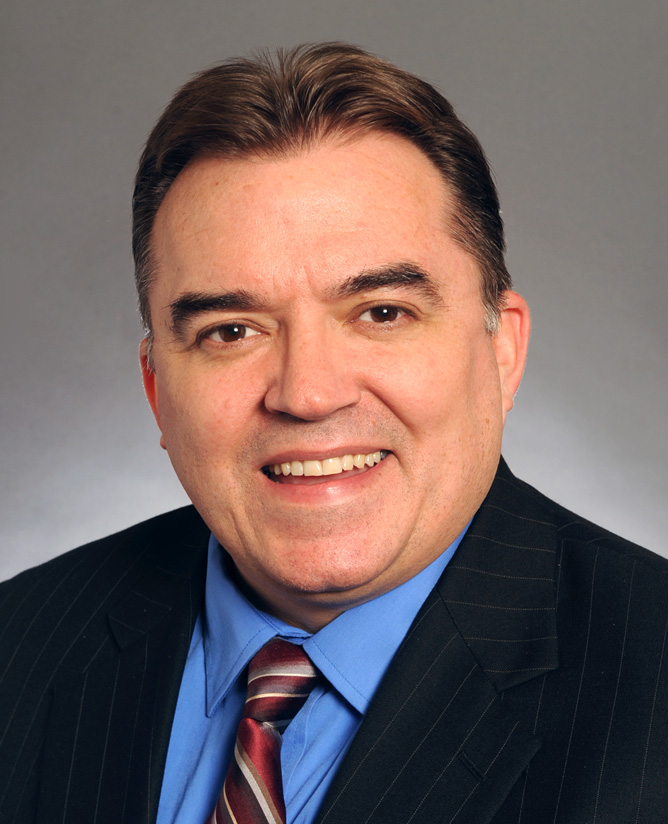
2025-2026 Regular Session Introduced by John Hoffman and 3 co-sponsors

Minnesota bill requires high-risk medical assistance providers complete compliance training on fraud prevention, patient safety, and ethics to reduce program abuse and protect vulnerable patients.

Comm report: To pass as amended and re-refer to Human Services
0
WeVote Research Nonpartisan
Bill Summary · SF 4604

Legislative bill overview

SF 4604 requires high-risk medical assistance providers in Minnesota to complete compliance training as a condition of employment or licensure. The bill establishes minimum training standards covering fraud prevention, patient safety, regulatory requirements, and ethical conduct. Providers must complete the training within a specified timeframe and demonstrate competency through assessment.

Why is this important

Medical assistance fraud costs taxpayers hundreds of millions annually and can directly harm vulnerable patients through inappropriate care. Compliance training creates a documented baseline of provider knowledge, potentially reducing violations and improving accountability across the healthcare system. This measure also protects the integrity of Minnesota's medical assistance program while establishing clear expectations for providers serving public insurance beneficiaries.

Potential points of contention

  • Compliance burden and costs: Small providers and independent practitioners may face significant expenses for training development, administration, and time away from patient care, potentially creating barriers to workforce participation
  • Definition of "high-risk": Clarity is needed on which provider types trigger requirements—overly broad definitions could capture providers with minimal fraud risk, while narrow definitions might miss vulnerable areas
  • Training standardization vs. flexibility: Debate likely exists over whether the state should mandate specific curricula or allow providers flexibility in meeting learning objectives, balancing consistency against innovation and efficiency

Compiled from official sources — confirm details with the bill’s official record.

Sign in to ask a question.