Overview
- Bill: S. 3989 (Community TEAMS Act of 2026)
- Purpose: Amend the Public Health Service Act to expand community-based training opportunities for medical students in rural areas and medically underserved communities, and to broaden related program provisions.
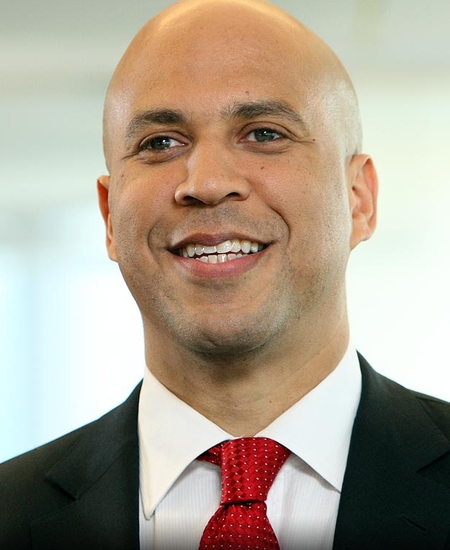
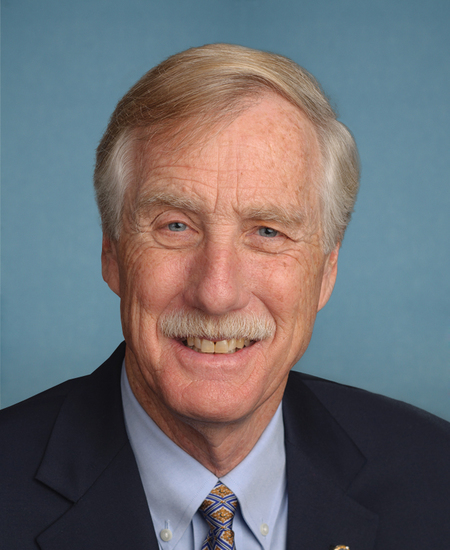
- Introduced: March 4, 2026, in the U.S. Senate (sponsored by Sen. Curtis with co-sponsors Sen. King, Sen. Booker)
- Main vehicle: Creates grants to support community-based medical student training and integrates this into existing Public Health Service Act authorities.
What the bill does (key provisions)
1) Grants for community-based training (new §330A(h))
- The Director of the Health Resources and Services Administration (HRSA) may award grants to eligible entities.
- Purpose: Expand community-based training for medical students in rural areas and medically underserved communities, including clinical rotations in health care facilities (outpatient settings) to promote long-term, sustainable physician practice in high-need areas.
- Grant period: 1 to 5 years, as determined by the Director.
- Eligibility: A consortium that includes:
- One or more schools of osteopathic or allopathic medicine.
- Up to (and including) a rural health clinic, a Federally Qualified Health Center (FQHC), or a health care facility located in a medically underserved community.
- Applications: Must be submitted in coordination with appropriate State offices (e.g., State Office of Rural Health) and include:
- Project description and goals.
- Rationale for Federal assistance.
- Quality improvement plan for service delivery.
- How the project will improve access to quality health care across the continuum for the target population.
- Sustainability plan after federal support ends.
- Evaluation plan.
- Any other information deemed appropriate by the Director.
2) Conforming changes to the Public Health Service Act
Who would be affected
- Medical schools (both osteopathic and allopathic) that form consortia with rural health clinics, FQHCs, or facilities in medically underserved communities.
- Rural health clinics, FQHCs, and medically underserved health care facilities that participate as training sites.
- Medical students participating in community-based clinical rotations in rural or underserved settings.
- State health offices (e.g., State Office of Rural Health) and other state entities involved in rural health planning and implementation.
- HRSA and the Director (as administrator of grant programs) regarding grant selection, administration, quality improvement, and evaluation.
Timeline and procedural notes
- Effective date: Not specified in the text provided; would follow enactment.
- Grant duration: 1–5 years per grant.
- Application process: Requires coordination with state rural health offices and submission of a comprehensive plan including sustainability, evaluation, and impact on access to care.
- Conforming changes: The bill amends multiple subsections of Section 330A to incorporate the new grant authority and to reflect expanded program scope, with adjustments to definitions and cross-references.
- Action history: As of the latest text, the bill was introduced and read twice, referred to the Senate Committee on Health, Education, Labor, and Pensions.
Potential impact
- Increased number and quality of clinical training opportunities for medical students in rural and medically underserved settings.
- Potential long-term improvement in physician workforce distribution, with more graduates entering high-need areas.
- Strengthened collaboration between medical schools, rural health clinics, and FQHCs.
- Requirement for robust project design, sustainability planning, and ongoing evaluation to demonstrate impact and continuity beyond federal support.
If you’d like, I can add a quick comparison to current law or outline potential budget implications based on typical HRSA grant scales.



Start the Conversation
Be the first to share your thoughts on this petition. Your voice matters!