

WeVote

Bill

Bill

SB 1191

Communications: universal service programs.

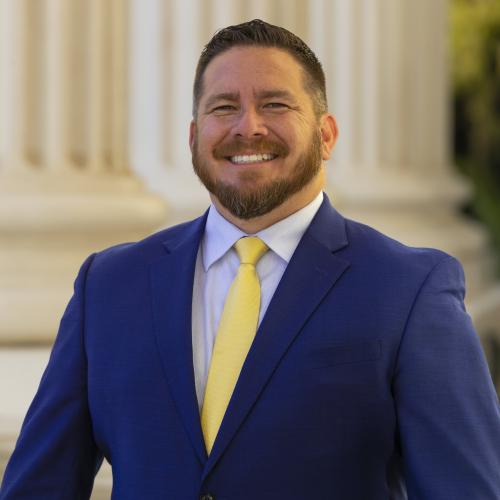
2025-2026 Regular Session Introduced by Juan Alanis and 10 co-sponsors

SB 1191 adjusts California's telecommunications universal service program contributions and eligibility, affecting subsidies for low-income and rural service access.

From committee: Do pass and re-refer to Com. on APPR. (Ayes 9. Noes 0.) (July 1). Re-referred to Com. on APPR.
0
WeVote Research Nonpartisan
Bill Summary · SB 1191

Legislative bill overview

SB 1191 modifies California's universal service programs for telecommunications by adjusting how carriers contribute to and participate in programs that subsidize service for low-income residents and rural areas. The bill recently passed committee unanimously and is scheduled for fiscal review before potential floor consideration.

Why is this important

Universal service programs directly affect affordability for approximately 3 million low-income Californians and service availability in underserved regions. Changes to contribution mechanisms or eligibility criteria can shift costs between carriers, consumers, and taxpayers while potentially expanding or restricting access to basic communications services.

Potential points of contention

  • Cost shifting among carriers: Modifications to contribution formulas may burden smaller carriers disproportionately or create competitive disadvantages
  • Consumer impact on rates: Changes could affect whether universal service costs are passed to general consumers through higher bills
  • Rural vs. urban equity: Adjustments may alter the balance of subsidies between rural broadband expansion and urban low-income assistance programs

Compiled from official sources — confirm details with the bill’s official record.

Sign in to ask a question.