

WeVote

Bill

Bill

S 896

Co-Location Energy Act

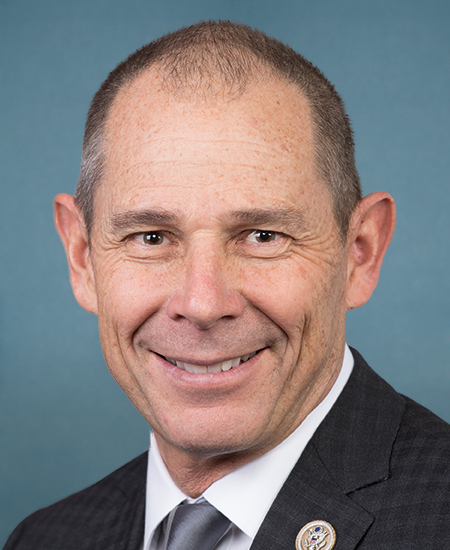
119th Congress Introduced by John Curtis and 1 co-sponsor

Bill S 896 requires local governments to create comprehensive emergency management plans, enhancing community safety and response to disasters through collaboration and training.

Introduced in Senate
0
WeVote Research Nonpartisan
Bill Summary · S 896

Summary of Bill S 896: Local Comprehensive Emergency Management Plans

Bill Overview

  • Bill Number: S 896
  • Title: Relates to the establishment of local comprehensive emergency management plans
  • Status: Referred to Governmental Operations
  • Introduced On: January 08, 2025
  • Classification: Bill

Purpose and Intent

The primary purpose of Bill S 896 is to enhance the preparedness and response capabilities of local governments in managing emergencies. The bill aims to establish comprehensive emergency management plans that will guide local authorities in effectively responding to various types of emergencies, including natural disasters, public health crises, and other significant incidents.

Key Provisions

  • Establishment of Plans: The bill mandates that local governments develop and implement comprehensive emergency management plans tailored to their specific needs and risks.
  • Collaboration Requirements: Local governments are encouraged to collaborate with state agencies, non-profit organizations, and community stakeholders to ensure a coordinated response to emergencies.
  • Training and Resources: The bill may provide guidelines for training local officials and first responders, ensuring they are equipped with the necessary skills and resources to execute the emergency management plans effectively.
  • Regular Updates: Local plans are required to be reviewed and updated regularly to reflect changes in community needs, risks, and best practices in emergency management.

Affected Parties

  • Local Governments: Municipalities and counties will be directly responsible for creating and maintaining these emergency management plans.
  • Emergency Responders: First responders, including police, fire, and medical personnel, will benefit from improved training and resources.
  • Community Members: Residents will experience enhanced safety and preparedness in the face of emergencies due to better-coordinated local responses.

Legislative Timeline

  • January 08, 2025: Bill introduced and referred to the Committee on Veterans, Homeland Security and Military Affairs.
  • April 29, 2025: First report calendar (1st Report Cal. 739).
  • April 30, 2025: Second report calendar (2nd Report Cal.).
  • May 01, 2025: Advanced to third reading.
  • May 21, 2025: Passed in the Senate and delivered to the Assembly.
  • May 22, 2025: Referred to Governmental Operations.

Related Legislation

  • S 8942: A related bill from the prior session that may address similar issues or complement the provisions of S 896.
  • A 6388: A companion bill in the Assembly that aligns with the objectives of S 896, potentially facilitating a more unified legislative approach to emergency management.

Conclusion

Bill S 896 represents a significant step towards improving local emergency management capabilities. By establishing comprehensive plans and fostering collaboration among various stakeholders, the bill aims to enhance community resilience and ensure effective responses to emergencies. The ongoing legislative process will determine the final form and implementation of these critical provisions.

Compiled from official sources — confirm details with the bill’s official record.

Sign in to ask a question.