

WeVote

Bill

Bill

SB 872

Delta Levees and Canal Subsidence Fund.

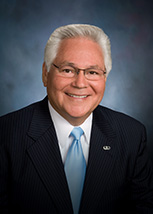
2025-2026 Regular Session Introduced by Bob Archuleta and 15 co-sponsors

SB 872 directs California climate funding toward priority initiatives like renewable energy and wildfire prevention, shaping the state's progress toward greenhouse gas reduction...

Read second time and amended. Re-referred to Com. on APPR.
0
WeVote Research Nonpartisan
Bill Summary · SB 872

Legislative bill overview

SB 872 addresses climate change funding priorities in California. Introduced by Senator Jerry McNerney, the bill has undergone committee amendments and is currently scheduled for hearing on March 18, 2026. The measure has moved through the Rules Committee and Environmental Quality and Natural Resources & Water committees, suggesting it deals with allocation of state resources toward climate-related initiatives.

Why is this important

Climate funding prioritization directly impacts California's ability to address environmental goals and greenhouse gas reduction targets. How the state allocates limited climate budget dollars—whether toward mitigation, adaptation, renewable energy, wildfire prevention, or other initiatives—shapes both environmental outcomes and economic impacts across industries and regions. This funding framework will influence California's progress toward its climate commitments and affect business planning, infrastructure development, and public resource distribution.

Potential points of contention

Without the bill's specific text publicly available at this stage, likely contentious areas include:

  • Geographic equity: Which regions receive priority funding and whether rural or urban areas feel adequately served
  • Sector prioritization: Competing interests between renewable energy development, transportation electrification, agriculture, forestry, and other climate solutions
  • Funding mechanisms: Whether new taxes, bonds, or redirected existing funds finance these priorities
  • Implementation timelines: Whether funding schedules are realistic for stated climate goals
  • Private sector involvement: The role of businesses in funded initiatives and potential subsidy concerns
  • Existing program impacts: How new priorities affect currently funded climate programs

The committee amendments suggest ongoing negotiations over specific funding allocation language.

Compiled from official sources — confirm details with the bill’s official record.

Sign in to ask a question.