

WeVote

Bill

Bill

HR 924

CIVILITY MONTH

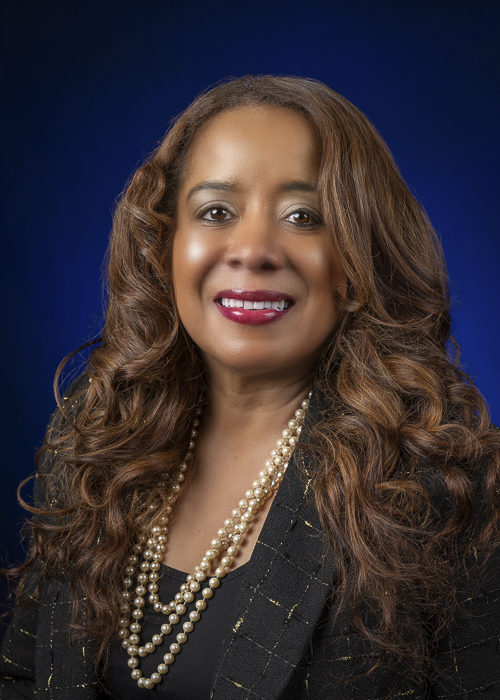
104th Regular Session Introduced by Kimberly Du Buclet and 8 co-sponsors

The bill designates Civility Month to promote courteous conduct and respectful dialogue across government, schools, and communities, mainly through observance and awareness.

Added Co-Sponsor Rep. Camille Y. Lilly
0
WeVote Research Nonpartisan
Bill Summary · HR 924

Summary of HR 924 (104th Illinois Session) – CIVILITY MONTH

Purpose and intent

  • The bill designates a specific period as Civility Month in the state of Illinois. Its overarching aim is to promote courteous conduct and civil engagement among residents, communities, and/or governmental bodies during the designated month.
  • The resolution-style nature suggests it may呼 be a ceremonial or commemorative measure rather than a substantive new policy with enforceable mandates. It focuses on encouraging respectful dialogue and behavior.

Key provisions and changes

  • Establishment of Civility Month: The bill creates an annual or one-time designation (as defined in the legislation) for a month intended to highlight civility.
  • Activities and observances: While precise activities are not stated in the summary, typical provisions for civility months include:
    • Public events, ceremonies, or recognition of individuals or groups who exemplify civil discourse.
    • Encouragement for schools, businesses, and government agencies to promote respectful communication.
    • Public messaging campaigns to foster courtesy, listening, and constructive dialogue.
  • Scope and institutions involved: The bill likely references coordination with state and local governments, educational institutions, community organizations, and possibly state employee or public service channels to promote Civility Month activities.
  • Sponsorship: The bill lists multiple sponsors and co-sponsors, indicating bipartisan or broad legislative support across various districts.

Who or what would be affected

  • Citizens and communities: Encouraged to participate in civility-promoting activities and to model respectful behavior in everyday interactions.
  • Schools and classrooms: May be encouraged to incorporate civility-themed activities or curricula during Civility Month.
  • Government agencies and public offices: Encouraged to recognize and participate in civility-promoting efforts, possibly through proclamations, events, or public messaging.
  • Local organizations and nonprofits: May engage in events or campaigns aligned with Civility Month goals.

Procedural and timeline aspects

  • Legislative status: As of the provided information, the bill is introduced with a list of sponsors and co-sponsors. The specific procedural steps, such as committee referrals, amendments, floor votes, and enactment dates, are not detailed here.
  • Timing: The designation would occur within a defined month each year or for a single year, depending on the final text. The bill may specify the exact month to be proclaimed (e.g., a fall, winter, or spring month), but such detail is not included in the summary.
  • Enforceability: The bill appears to be primarily ceremonial, with no mandated funding or enforceable requirements likely attached. If any funding or mandatory programs are included, those details would be in the full text.

Notable considerations

  • Given the focus on civility, potential implementations could vary in scope, from proclamations and public-awareness campaigns to formal resolutions recognizing civility initiatives.
  • The involvement of numerous co-sponsors suggests broad interest, but the practical impact would depend on the final language, any accompanying appropriations, and how local governments choose to participate.

If you’d like, I can tailor this summary to emphasize specific sections you expect (e.g., potential budget implications, education system involvement, or local government duties) once the full bill text is available.

Compiled from official sources — confirm details with the bill’s official record.

Sign in to ask a question.