

WeVote

Bill

Bill

HB 3313

CIV PRO-DISCOVERY LIMITED

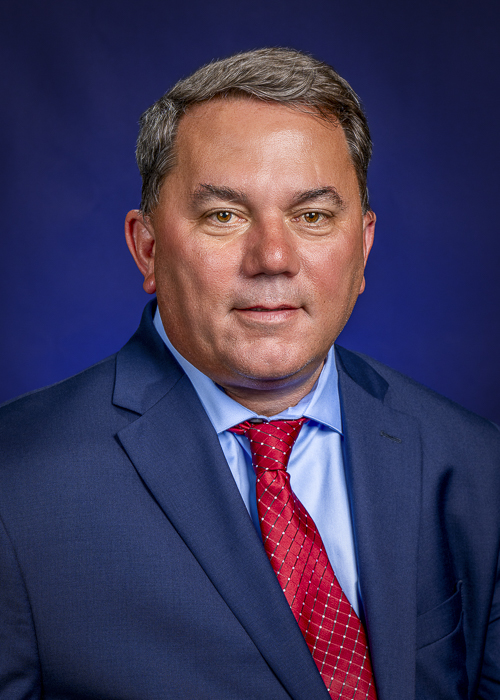
104th Regular Session Introduced by Rick Ryan

Bans discovery in low-value auto-negligence cases (damages ≤ minimum liability), replacing it with mandatory pretrial disclosure of all trial exhibits 30 days before trial.

House Committee Amendment No. 1 Rule 19(c) / Re-referred to Rules Committee
0
WeVote Research Nonpartisan
Bill Summary · HB 3313

Summary — HB 3313 (CIV PRO — Discovery Limited)

Status: House Committee Amendment No. 1 Rule 19(c) / Re‑referred to Rules Committee
Introduced by: Rep. Rick Ryan (filed Feb. 18/25, 2025)
Statute amended: 735 ILCS 5/2‑1003 (Code of Civil Procedure)
Current status highlights: Read 1st time (Mar 21, 2025); amendment filed Mar 12, 2025; referred among Rules and Judiciary — Civil committees.

Purpose

HB 3313 seeks to limit traditional discovery in lower‑value motor vehicle personal injury negligence claims and to replace broad discovery with a mandatory pretrial disclosure of documentary trial exhibits. The stated intent is to streamline pretrial procedures and reduce discovery costs in such cases.

Key provisions (as amended)

  • Amends 735 ILCS 5/2‑1003 to add a new limitation on discovery in certain auto‑negligence suits.
  • Prohibition on discovery:
    • In any action seeking damages for personal injury alleging negligence against an operator of a motor vehicle, no discovery may be taken by a party if the total damages sought are equal to or less than the amount of minimum liability insurance required by Section 7‑203 of the Illinois Vehicle Code.
    • (Original text barred discovery by “the plaintiff”; House Amendment No. 1 replaces that phrase with “a party,” broadening the prohibition.)
  • Mandatory disclosure of trial documents:
    • In these cases, each party must disclose to all other parties all documents each party intends to introduce into evidence at trial.
    • House Amendment No. 1 requires that those document disclosures be made no later than 30 days before trial.
  • Applicability:
    • The changes apply to actions commenced or pending on or after the effective date of the amendatory Act.

Who is affected

  • Plaintiffs and defendants in Illinois personal injury claims alleging negligence by motor vehicle operators where the total damages sought do not exceed the statutory minimum liability insurance amount under Section 7‑203.
  • Insurers, defense counsel, and the courts handling small‑value auto negligence cases.
  • Potentially medical providers, experts, and third parties whose records previously could have been obtained through discovery in these cases.

Procedural/timing notes

  • The amendment adds a specific timing deadline for exhibit disclosure: no later than 30 days before trial.
  • The bill’s effective application is forward‑looking to cases commenced or pending on or after the act’s effective date (no effective date specified in summary text; standard practice is application upon statutory effective date).

Potential impacts and considerations

  • Likely reduces pretrial discovery expenses and shortens pretrial litigation timelines for small‑value auto injury suits.
  • May limit opportunities for depositions, interrogatories, and other discovery that can develop facts, test credibility, or identify defenses—potentially constraining fact development for both sides.
  • Replacing discovery with exhibit disclosure shifts emphasis to documentary evidence and could disadvantage parties who rely on witness testimony, expert development, or post‑filing investigation.
  • Ambiguities: the amendment’s change from “the plaintiff” to “a party” broadens the prohibition (potentially barring discovery by defendants as well); interaction with Illinois Supreme Court rules on discovery and disputed definitions (e.g., what “total damages sought” includes) may require judicial interpretation.

Statutory references: modifies 735 ILCS 5/2‑1003; references minimum liability insurance required by 625 ILCS 5/7‑203 (Illinois Vehicle Code).

Compiled from official sources — confirm details with the bill’s official record.

Sign in to ask a question.