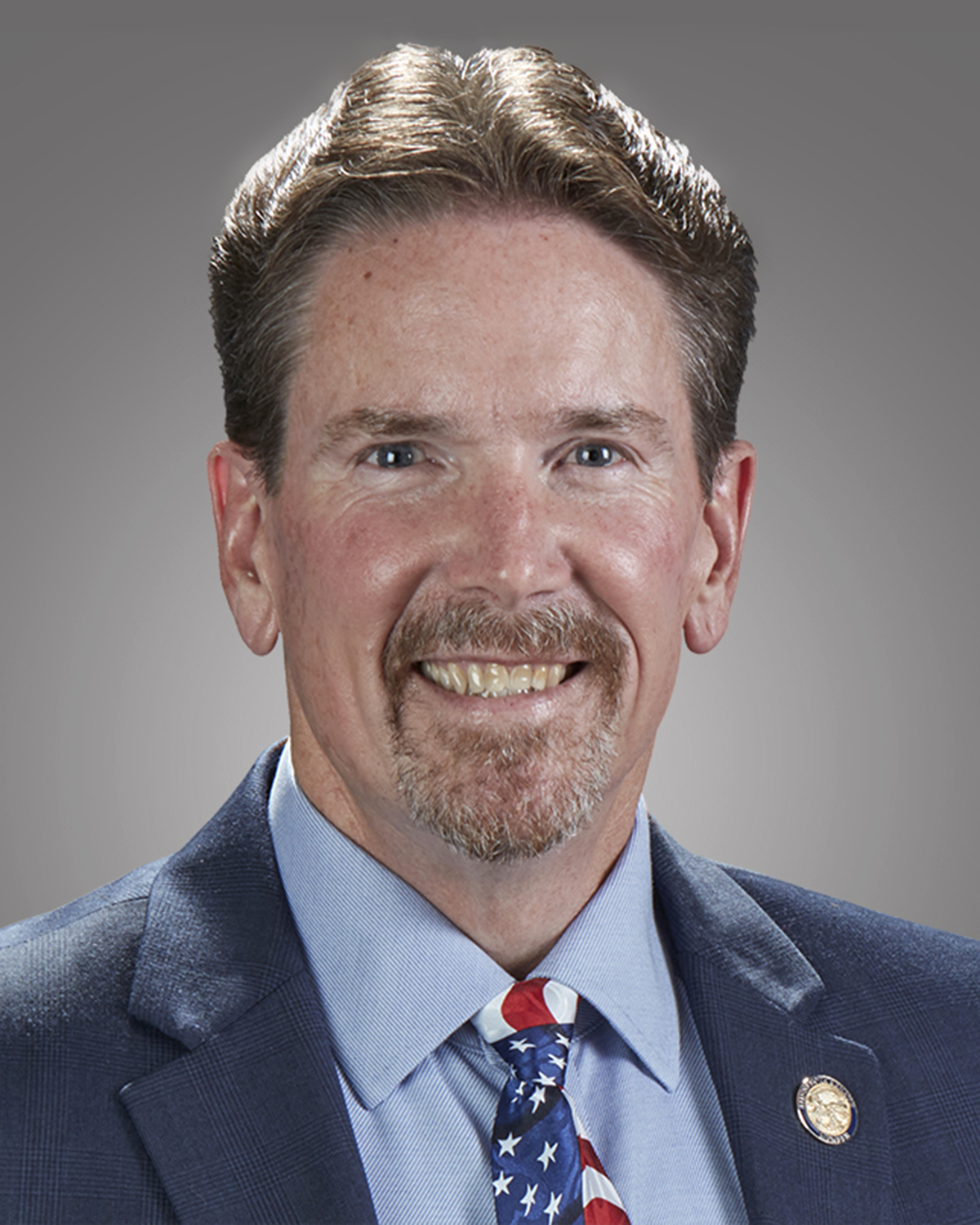
SF 4724 authorizes the City of Taylors Falls to impose a local sales and use tax. The bill sets the framework for the city to fund local needs through additional revenue generated from sales and use taxes within the city limits. The measure is sponsored by multiple legislators, with co-sponsor Mark Koran.
Tax authority granted: The bill would authorize the City of Taylors Falls to impose a local sales and use tax. This enables the city to collect additional revenue from sales transactions and the corresponding use tax on goods purchased within or used in the city, subject to approval and applicable Minnesota statutes governing local sales taxes.
Tax base and administration: The state sales and use tax framework would apply, meaning conventional tax bases (retail sales of tangible personal property and certain services, as defined by state law) and use tax implications would be utilized. The city would administer and receive revenues consistent with Minnesota’s local option tax rules.
Revenue use and purposes: The bill typically accompanies a statement of intended uses for the revenue, such as infrastructure projects, public facilities, economic development, or other municipal needs. Although the exact enumerated purposes are not listed in the provided action history, local sales taxes funded projects commonly include streets, bridges, wastewater, parks, and public safety infrastructure.
Referendum/approval mechanism: Local authorization generally requires voter approval through a referendum or a specified local process per Minnesota law. The bill would establish the mechanism by which Taylors Falls residents can approve or reject the tax imposition, in line with statutory requirements for municipal sales taxes.
Duration and sunset provisions: Local sales tax authorizations often include a time-limited period or a sunset clause, with potential renewal requirements. The bill would specify the duration of the tax authorization and any conditions for extension or expiration.
Administration, enforcement, and distribution: The bill would align with state/local tax administration provisions, including remittance to the Minnesota Department of Revenue (or equivalent local tax authority), compliance, penalties for non-compliance, and distribution of revenue to the city.
Compliance with state law: The proposal operates within Minnesota statutes governing local sales taxes, ensuring conformity with statewide rules on rates, exemptions, allocation to uses, and oversight.
Action history:
- 2026-03-23: Introduction and first reading
- 2026-03-23: Referred to Taxes
Next steps (typical in such bills): If advanced, the bill would proceed through committee hearings (Taxes), potential amendments, and floor votes in the Senate. Upon passage, it would move to the House (or remain in the Senate depending on chamber), and then to the governor for signature or veto. The precise timeline depends on the legislative schedule and any required referendum process.