

WeVote

Bill

Bill

SF 4864

Chisago County authorization to impose a local sales and use tax

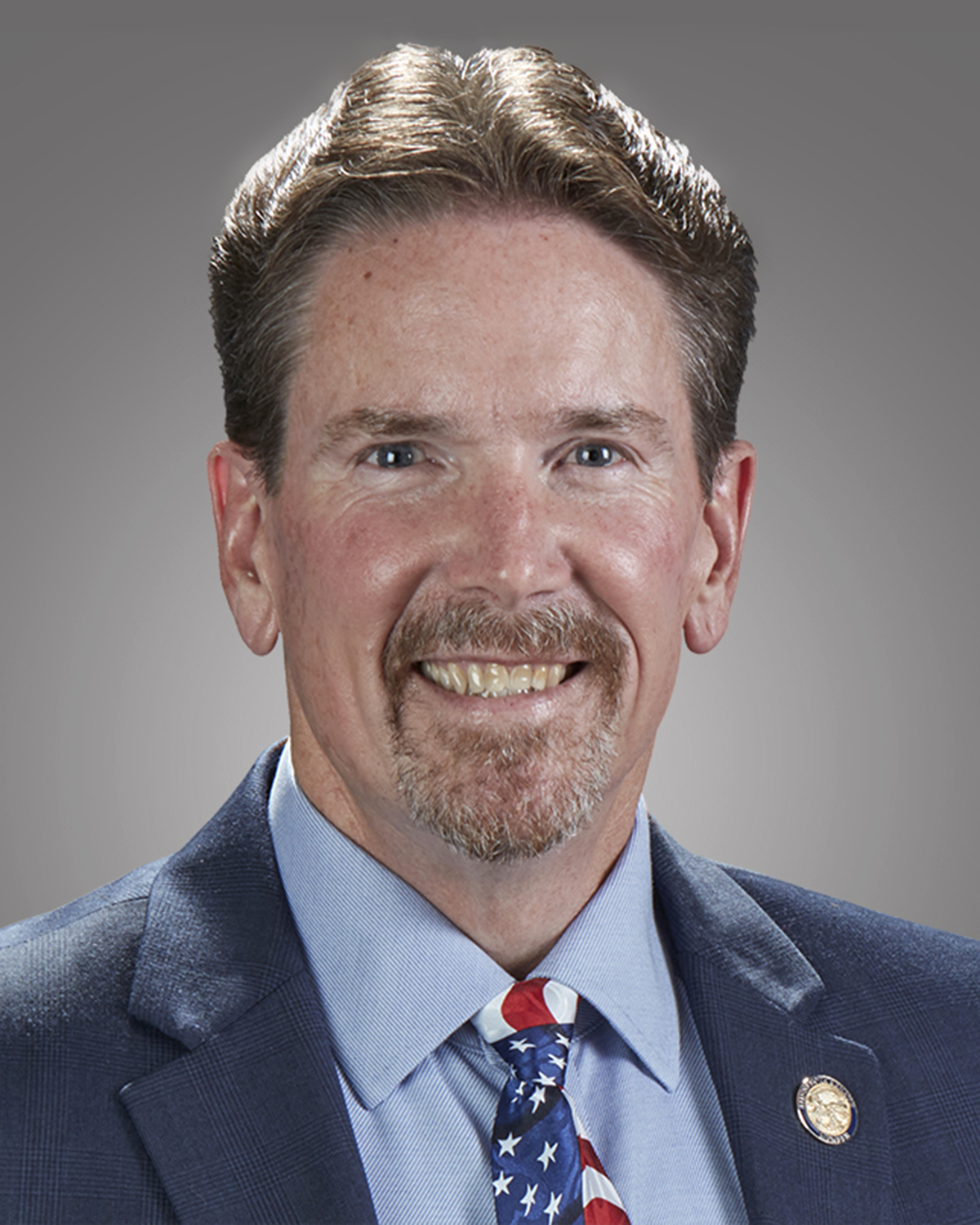
2025-2026 Regular Session Introduced by Mark Koran

Chisago County could impose a local sales and use tax to fund approved public projects and services.

Referred to Taxes
0
WeVote Research Nonpartisan
Bill Summary · SF 4864

Summary of SF 4864 (Minnesota) – 2025-2026 Session

Bill at a Glance

  • Jurisdiction: Minnesota
  • Title: Chisago County authorization to impose a local sales and use tax
  • Bill Number: SF 4864
  • Session: 2025-2026
  • Introduced / Read: Introduction and first reading on March 25, 2026
  • Committee Assignment: Referred to the Taxes Committee (March 25, 2026)
  • Sponsors: Primary sponsor not listed; Co-sponsor: Mark Koran

Purpose and Intent

SF 4864 authorizes Chisago County to impose a local sales and use tax. The core purpose of such a tax is to provide a dedicated revenue source for the county, typically to fund specified local projects or services. Although the bill text is not provided here, the standard structure for Minnesota county local sales tax bills is to designate a tax rate, duration, eligible uses, and governance/oversight requirements. The bill would enable the county to enact the tax subject to voter approval or other statutory prerequisites, and to allocate the resulting revenue to approved programs or capital projects.

Key Provisions (Expected Components Based on Standard Structure)

  • Authorization Scope: Allows Chisago County to impose a local sales and use tax within its borders.
  • Tax Rate and Duration: Typically sets a tax rate (e.g., a fraction of a percent) and a sunset or duration clause (e.g., limited to a fixed number of years) unless renewed.
  • Authorized Uses: Specifies eligible uses for the revenue, which commonly include:
    • Public infrastructure and capital projects (roads, bridges, public facilities)
    • Transportation improvements
    • Economic development initiatives
    • Equipment purchases or facility improvements for county government or public services
  • Administration and Collection: Delegates administration to the Minnesota Department of Revenue or outlines county-level administration, including compliance, reporting, and remittance schedules.
  • Oversight and Accountability: Establishes reporting requirements, annual financial statements, and any citizen oversight mechanisms as required by state law.
  • Voter or Local Approval: Depending on the statutory framework, the bill may require local referendums or approvals by county commissioners prior to implementation.
  • Impact on Taxpayers: Changes local tax burdens for residents and visitors within the county, with potential exemptions or rebates defined for specific categories (e.g., food, medicine) if applicable under the local framework.

Who Is Affected

  • Residents of Chisago County: Primary impact through the new local sales and use tax on taxable transactions.
  • Local Government and Public Agencies: Receives increased revenue for approved projects; responsible for project planning and reporting.
  • Businesses Operating in Chisago County: Subject to the local sales tax collection requirements; need to collect and remit the tax to the state or designated authority.
  • Visitors to the County: May also bear the burden of the local sales tax on taxable purchases.

Procedural and Timeline Considerations

  • Introduction and First Reading: March 25, 2026 (SF 4864 introduced; referred to Taxes).
  • Next Steps (Typically):
    • Public hearings and committee deliberations in the Taxes Committee
    • Potential amendments
    • Voting by the full Senate (if advancing)
    • If passed, transmission to the House (or conference if already moved in the companion chamber) and eventual enactment into law
  • Effective Date: Would depend on statutory language and any voter approval requirements; often, local sales taxes become effective on a prescribed date or after a specified grace period following enactment.

Additional Notes

  • The summary above reflects typical elements of Minnesota local option sales tax bills. The exact rate, duration, eligible uses, exemptions (if any), administration, and reporting requirements would be defined in the bill’s text as introduced and any subsequent amendments.
  • For a precise understanding, review the bill’s full text, the fiscal note, and any accompanying analysis from the Taxes Committee.

Compiled from official sources — confirm details with the bill’s official record.

Sign in to ask a question.