

WeVote

Bill

Bill

SB 1059

Children: child abuse or child neglect; priority of reports made by school employees; require. Amends sec. 3 of 1975 PA 238 (MCL 722.623).

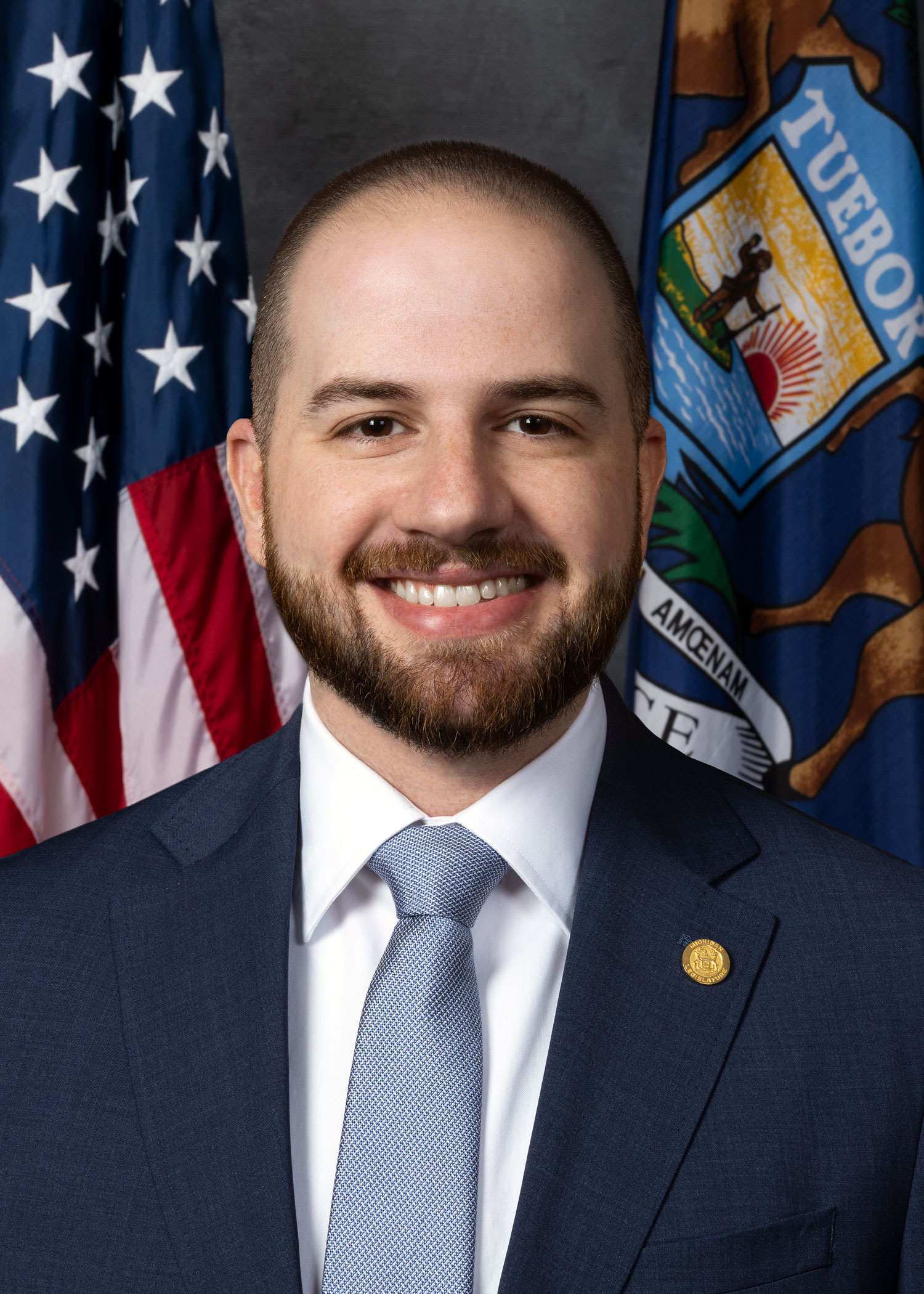
2025-2026 Regular Session Introduced by Jeremy Moss

The bill tightens and speeds child-abuse reporting by mandating immediate oral reports, 72-hour written reports, and prioritized school submissions to streamline interagency invest

REFERRED TO COMMITTEE ON HOUSING AND HUMAN SERVICES
0
WeVote Research Nonpartisan
Bill Summary · SB 1059

Summary of SB 1059 (Session 2025-2026) – Michigan

Purpose and intent

  • This bill amends the Michigan Child Protection Law (1975 PA 238), specifically section 3, to tighten and prioritize reporting of suspected child abuse or neglect by school personnel and certain other mandated reporters.
  • It seeks to ensure faster reporting, clearer requirements for written reports, and enhanced coordination among agencies (department, law enforcement, and child care regulators) when abuse or neglect is suspected.

Key provisions and changes

  • Who must report (mandatory reporters)

    • Expands or reiterates that certain professionals and school personnel must report when they have reasonable cause to suspect abuse or neglect. This includes:
    • Medical and health professionals (physicians, dentists, nurses, etc.)
    • Mental health and social services professionals (psychologists, social workers, counselors)
    • School personnel (school administrators, school counselors, teachers)
    • Law enforcement, clergy, regulated child care providers
    • Other professionals in specialized roles noted in the statute
    • Adds or specifies that a person employed in a professional capacity in any office of the friend of the court and other listed categories must report when there is reasonable cause.
  • Reporting process and timelines

    • Immediate oral report to centralized intake by telephone, or via an online system if available, when abuse or neglect is suspected.
    • A written report must be filed within 72 hours after the oral report is made.
    • If a report is submitted online and includes the required written report contents, that online submission can satisfy the written-report requirement.
  • Priority handling for school staff

    • The department must prioritize a written report from a school staff member submitted through the online reporting system and place it on a priority investigation list.
  • Notifications to an institution

    • Reporting school, hospital, or agency staff must notify the person in charge of the institution about the report and provide a copy of the report to that person.
    • Notification to the in-house administrator does not relieve the reporter of its legal obligation to report to the department.
  • Single reporting requirement

    • One report from a hospital, agency, or school is sufficient to meet the reporting requirement.
  • Protections for reporters

    • School, hospital, or agency staff who report as required or cooperate with investigations cannot be dismissed or penalized for doing so.
  • Department and staff roles (subdivisions)

    • A range of state department and Homeless or Family Independence-related staff are listed as mandatory reporters with reasonable-cause exceptions, aligning reporting duties with their roles (e.g., eligibility specialists, social services specialists, etc.).
  • Contents of the written/online report

    • Mandatory elements include:
    • Name of the child
    • Description of the abuse/neglect
    • When possible: names/addresses of parents or guardians, individuals with whom the child resides, and the child’s age
    • Other information that might establish the cause or circumstances of abuse/neglect
  • Department actions and information sharing

    • The department may share the written report with the prosecuting attorney and the probate court in the relevant counties.
    • If certain criminal statutes or health-code violations are indicated (e.g., methamphetamine-related offenses), or if the suspect is not a person responsible for the child’s health or welfare, the department must transmit the relevant information to law enforcement and, in cases involving child care providers, to the appropriate child care regulatory agency within specified timeframes (e.g., within 24 hours for certain findings).
  • Law enforcement coordination

    • Local law enforcement receiving a report must refer or share it with the county department where the child resides or where the incident occurred.
    • If the suspect is a child care provider and the evidence supports it, law enforcement must also share results with the regulatory agency governing that provider.
  • Definition of reasonable cause and other clarifications

    • The act specifies that pregnancy in a child under 12 or a sexually transmitted infection in a child aged over 1 month but under 12 constitutes reasonable cause to suspect abuse or neglect.
  • Immediate law enforcement contact for methamphetamine exposure

    • If there is suspected exposure to methamphetamine production during an investigation, the department must immediately contact the appropriate law enforcement agency in the county where the incident occurred.

Who is affected

  • Primary affected groups:
    • School personnel (administrators, counselors, teachers) and hospital/agency staff who are required reporters.
    • Children who may be victims of abuse or neglect.
    • Families and guardians of the involved children.
    • State and local departments (Department of Health and Human Services, law enforcement, probate courts, prosecuting attorneys) involved in receiving, investigating, and sharing reports.
    • Child care providers and adult foster care providers, via mandatory reporting and regulatory notification when applicable.

Procedural and timeline aspects

  • Oral report to centralized intake required immediately.
  • Written report due within 72 hours after the oral report, with online submissions potentially satisfying the written requirement when complete.
  • Priority processing for school-reported cases in online system.
  • Cross-agency notification and information-sharing timelines (including a 24-hour transmission window to child care regulators in specified cases).
  • Continued protections against retaliation for reporters.

Effective date

  • The bill text does not specify an explicit effective date in the excerpt provided; typical Michigan bills would set an effective date upon enactment or a later specified date.

Status and actions

  • Introduced by Senator Jeremy Moss on June 23, 2026.
  • Referred to the Committee on Housing and Human Services.

If you’d like, I can add a concise comparison to current law (PA 238, as amended through 2022 PA 66) to highlight exact changes and any potential implementation considerations for schools and child care providers.

Compiled from official sources — confirm details with the bill’s official record.

Sign in to ask a question.