

WeVote

Bill

Bill

HB 4421

Children; Leo's Law; abuse and neglect; safety analysis; drug screening; Department of Human Services; law enforcement agency; rules; court; providing exception; Child Welfare Fentanyl Testing Revolving Fund; purpose; annual audit; annual report; child endangerment; definition; fines and penalties; defense; codification; effective date.

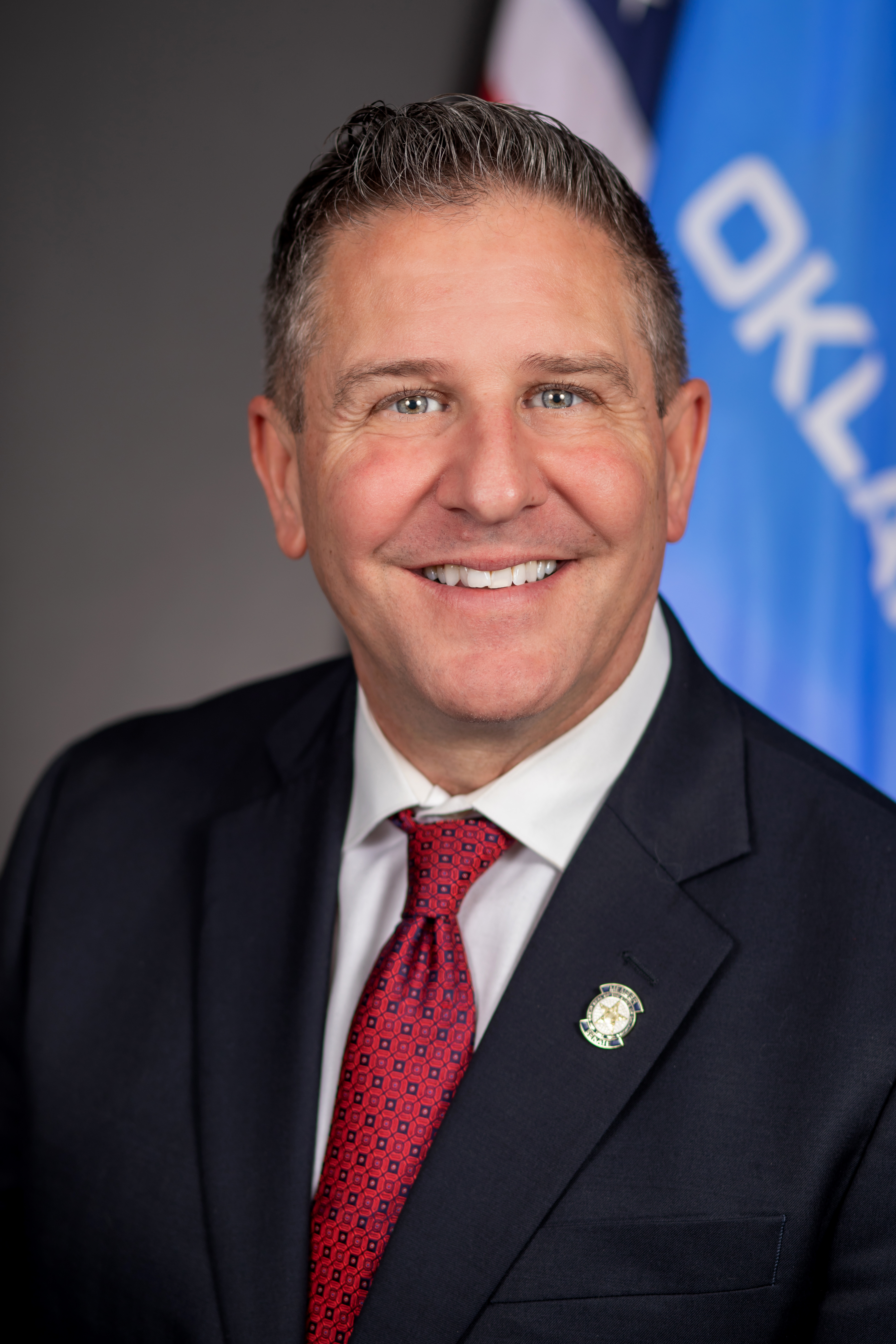
2026 Regular Session Introduced by Todd Gollihare and 1 co-sponsor

Oklahoma bill establishing fentanyl screening protocols in child welfare cases, creating a testing fund, and expanding child endangerment definitions to include drug exposure.

Placed on General Order
0
WeVote Research Nonpartisan
Bill Summary · HB 4421

Legislative bill overview

HB 4421 establishes new protocols for drug screening in child welfare cases in Oklahoma, creates a Child Welfare Fentanyl Testing Revolving Fund to support testing initiatives, and expands the definition of child endangerment to include exposure to fentanyl and other controlled substances. The bill also modifies penalties and requires annual audits and reports on implementation.

Why is this important

Fentanyl contamination poses an acute public health risk to children, particularly through accidental exposure in homes where drugs are present or improperly stored. This legislation directly addresses a growing concern in child protective services by establishing systematic screening and creating dedicated funding for testing, which can identify at-risk children earlier and inform court decisions in custody cases.

Potential points of contention

  • Scope of "endangerment" definition: Expanding child endangerment to include drug exposure could affect parents with substance use disorders differently than other forms of neglect, raising questions about whether this encourages treatment-focused intervention or punitive approaches
  • Testing protocols and false positives: The bill's effectiveness depends heavily on how screening rules are written—overly broad testing could flag environmental exposure that poses minimal actual risk, while narrow rules might miss real dangers
  • Fund sustainability and resource allocation: Creating a revolving fund requires initial appropriation and ongoing revenue; unclear whether dedicated funding will be sufficient or if it diverts resources from other child welfare services
  • Constitutional and due process concerns: Expanding criminal exposure liability requires clear statutory language to withstand legal challenges regarding notice, intent requirements, and parental rights protections

Compiled from official sources — confirm details with the bill’s official record.

Sign in to ask a question.