

WeVote

Bill

Bill

HB 924

Child Exploitation Material - Civil and Criminal Actions (Safe Kids Act)

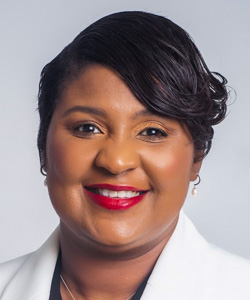
2026 Regular Session Introduced by Tiffany Alston and 12 co-sponsors

Maryland's Safe Kids Act establishes civil and criminal remedies for child exploitation material offenses, expanding accountability mechanisms beyond traditional prosecution.

Hearing 3/04 at 1:00 p.m.
0
WeVote Research Nonpartisan
Bill Summary · HB 924

Legislative bill overview

HB 924, the Safe Kids Act, creates new civil and criminal legal mechanisms to address child exploitation material (CEM). The bill establishes grounds for civil lawsuits and potentially strengthens criminal penalties related to the production, distribution, or possession of child exploitation material in Maryland.

Why is this important

Child exploitation material represents serious harm to real victims, and legislation addressing it affects law enforcement capabilities, victim compensation pathways, and deterrence. The bill's provisions could expand accountability mechanisms beyond criminal prosecution alone, potentially enabling direct civil remedies for victims and their families.

Potential points of contention

  • Scope and definition clarity: The bill's specific definitions of "child exploitation material" and what conduct triggers civil vs. criminal liability remain unclear from the basic bill summary and will likely be debated during the March 4 hearing
  • Burden of proof differences: Civil cases require lower standards of proof (preponderance of evidence) than criminal cases (beyond reasonable doubt), raising questions about how the bill balances protecting victims with due process protections for the accused
  • Liability exposure: Depending on provisions, the bill could create broad liability for platforms, service providers, or other entities, with potential industry opposition versus victim advocacy support for stronger accountability measures

Compiled from official sources — confirm details with the bill’s official record.

Sign in to ask a question.