

WeVote

Bill

Bill

HB 3372

Charter schools; Revolving Loan Fund Program for Charter School Capital Expenditures; Statewide Charter School Board issuing low-interest loans to charter schools through a revolving fund; Charter School Loan Revolving Fund; appropriation; Charter School Bond Credit Enhancement Program; allowing charter schools to issue bonds; Charter School Bond Credit Enhancement Fund; interest allocation; default; special obligations; effective date.

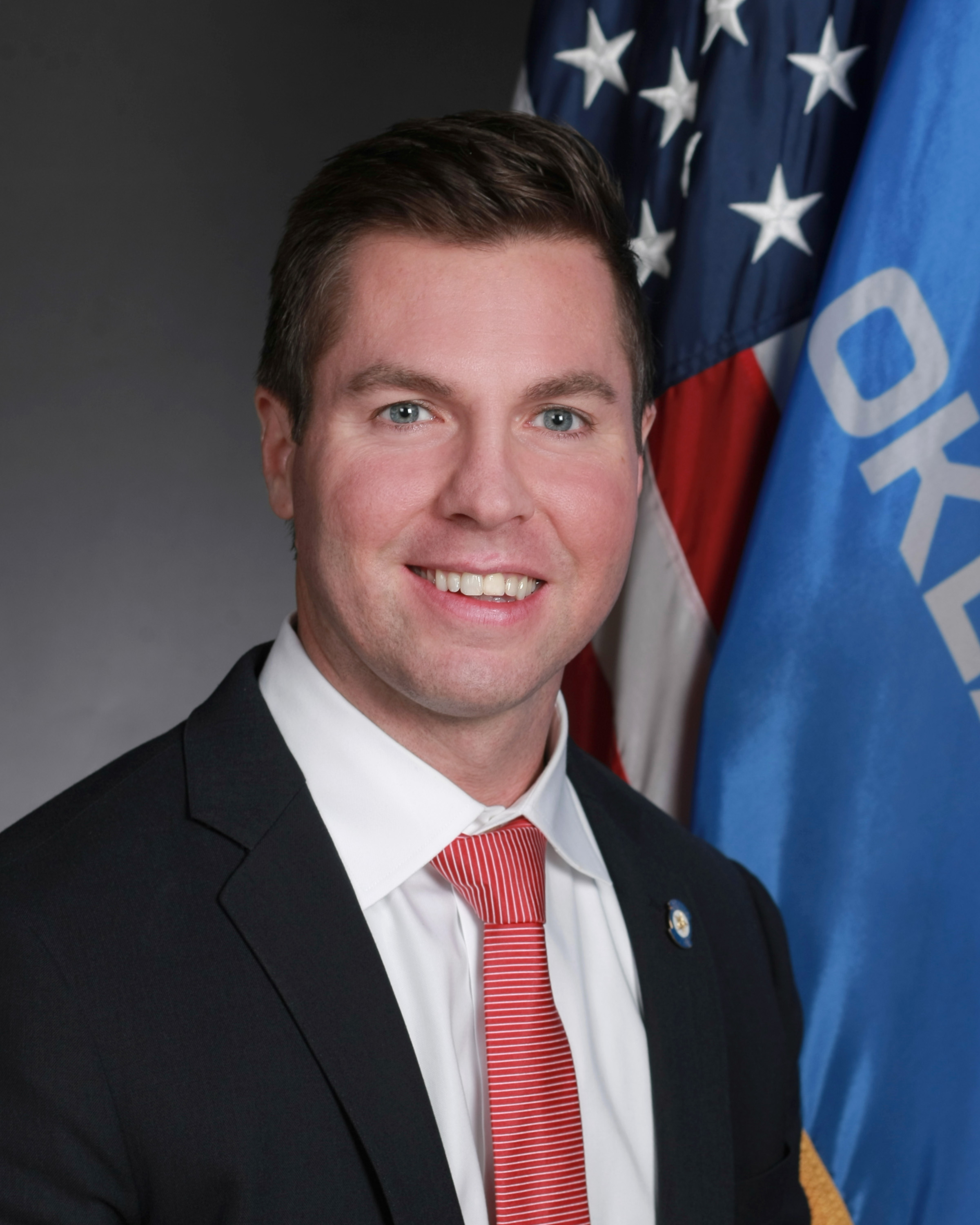
2026 Regular Session Introduced by Adam Pugh

Oklahoma bill creates low-interest loan fund and bond credit enhancement program allowing charter schools to access state-backed financing for capital projects.

Approved by Governor 04/30/2026
0
WeVote Research Nonpartisan
Bill Summary · HB 3372

Legislative bill overview

HB 3372 establishes two financial mechanisms for Oklahoma charter schools: a Revolving Loan Fund Program providing low-interest loans for capital expenditures through the Statewide Charter School Board, and a Bond Credit Enhancement Program allowing charter schools to issue bonds with state backing. The bill requires legislative appropriation to fund these programs and specifies how interest and defaults will be handled.

Why is this important

Charter schools often struggle to access affordable capital financing for facilities and infrastructure improvements compared to traditional public schools. These programs could expand charter school capacity and modernization, though they represent a significant state financial commitment and shift how public education infrastructure is financed in Oklahoma.

Potential points of contention

  • State financial exposure: The bond credit enhancement program creates potential state liability if charter schools default on bonds, using taxpayer backing for private charter operators
  • Funding competition: Appropriations for charter school financing could compete with traditional public school resources during budget constraints
  • Oversight and accountability: Questions about how the Statewide Charter School Board will evaluate loan applications, manage defaults, and ensure fiscally responsible charter school operations
  • Charter school policy disagreements: Reflects broader ideological divisions over whether public funds should support charter schools as alternatives to district schools

Compiled from official sources — confirm details with the bill’s official record.

Sign in to ask a question.