

WeVote

Bill

Bill

S 5282

Chama Basin Watershed Protection Act

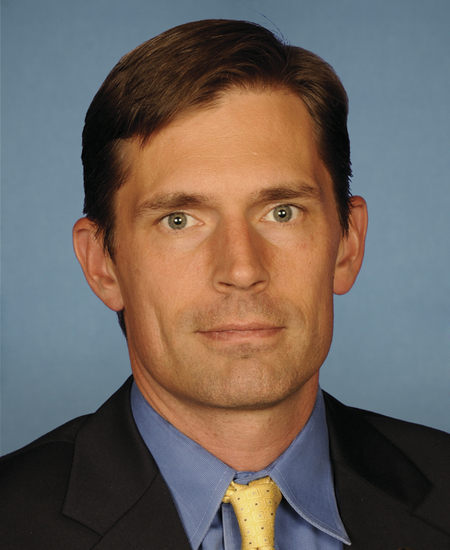
119th Congress Introduced by Martin Heinrich

The bill would establish federal protections and coordinated efforts to safeguard and restore the Chama Basin watershed, improving water quality, habitat, and resilience.

Introduced in Senate
0
WeVote Research Nonpartisan
Bill Summary · S 5282

Summary of S. 5282 — Chama Basin Watershed Protection Act (Session 119)

Purpose and intent

  • The bill is designed to protect and restore the Chama Basin watershed. It aims to conserve water quality and habitat, support sustainable land and water use, and enhance resilience to environmental stressors within the Chama watershed area.
  • The legislation is introduced in the Senate and currently referred to the Committee on Energy and Natural Resources. A co-sponsor is Senator Martin Heinrich.

Key provisions and changes (as described by the bill’s title and intent)

  • Establishment or designation actions to safeguard the Chama Basin watershed, focusing on watershed-wide protection measures.
  • Likely integration of water quality protections, sediment and erosion control, and habitat conservation within the watershed.
  • Potential authorization of federal role in planning, funding, or oversight to implement protection and restoration efforts.
  • Possible coordination with relevant federal agencies (e.g., Department of the Interior, Environmental Protection Agency, or other natural resources agencies) to align conservation and water management objectives with existing laws and programs.
  • May include provisions for monitoring, reporting, and adaptive management to assess the effectiveness of protections over time.
  • Could provide grants, technical assistance, or funding mechanisms to support local, state, or tribal partners engaged in watershed protection activities.

Affected parties and stakeholders

  • Communities and stakeholders within the Chama Basin watershed, including residents, landowners, ranchers, and local governments.
  • Federal agencies with jurisdiction over natural resources, water quality, and land management.
  • Nonprofit organizations and tribal entities engaged in watershed conservation, habitat restoration, and water quality projects.
  • Potential beneficiaries include improved water quality, reduced sedimentation, and enhanced ecosystem health, which can support agriculture, recreation, and tourism.

Procedural and timeline aspects

  • Status: Introduced in the Senate and referred to the Committee on Energy and Natural Resources (as of the latest action history).
  • Next steps typically include committee hearings, markups, and potential passage by the Senate, followed by reconciliation or passage through the House if applicable.
  • No specific funding authorization, programmatic timelines, or grant mechanism details are provided in the action history snippet; these would be clarified in the full bill text and accompanying committee reports.

Potential impacts and considerations

  • Environmental: Enhanced watershed protection could lead to improved water quality, habitat protection, and resilience against drought or flood-related impacts.
  • Economic: If funded, could support jobs in conservation, watershed restoration, and land management; could influence regional water availability for agriculture and communities.
  • Legal/administrative: Establishes federal framework for protecting the Chama Basin, potentially expanding federal involvement in local watershed management.

Note: This summary is based on the bill’s title, the action history provided, and typical content of watershed protection legislation. For precise provisions, funding levels, timelines, and regulatory mechanisms, the full text of S. 5282 and any accompanying committee reports should be consulted.

Compiled from official sources — confirm details with the bill’s official record.

Sign in to ask a question.