

WeVote

Bill

WeVote Research Nonpartisan
Bill Summary · SF 4820

Summary of SF 4820 (Minnesota) — 2025-2026 Session

Title

Certified behavioral health clinic rates and rebasing schedules modifications

Purpose and intent

SF 4820 seeks to modify how certified behavioral health clinics (CBHCs) are reimbursed by adjusting rates and rebasing schedules. The bill aims to impact the calculation and timing of rate updates for CBHCs, potentially affecting the level of funding these clinics receive under Minnesota’s behavioral health payment systems. The precise policy objectives are to streamline or recalibrate rate setting and rebasing processes to reflect current costs and service delivery realities for certified behavioral health clinics.

Key provisions and changes (as proposed)

Note: The summary below reflects the bill’s general scope based on its title and typical legislative language around CBHC rate changes. For exact verbatim text and all operative sections, consult the bill’s official bill language.

  • Rate adjustments for certified behavioral health clinics

    • Modify the current payment rates paid to CBHCs for behavioral health services.
    • Establish new methodology or criteria for determining CBHC reimbursement, potentially including base rates, case-mix adjustments, or service mix adjustments.
  • Rebasing schedules

    • Alter the schedule by which CBHC rates are rebased (i.e., updated to reflect new cost benchmarks).
    • Set new timelines or intervals for rate rebasing (e.g., annual, biennial) or specify triggers that initiate rebasing.
    • Potentially adjust the scope of costs or categories used in rebasing calculations (e.g., personnel, facility, ancillary services).
  • Transition provisions

    • Include phased adjustments or transitional payments to implement rebasing without abrupt funding shifts.
    • Define any hold-harmless provisions or protections for clinics facing rate cuts due to revised rebasing.
  • Compliance and reporting

    • Require reporting or documentation related to service delivery volumes, costs, and utilization to support rate calculations.
  • Administrative implementation

    • Outline responsibilities for the Minnesota Department of Health or the appropriate health services agency to adopt new rates and rebasing schedules.
    • Specify effective dates for new rates and rebasing mechanics.

Who would be affected

  • Certified behavioral health clinics (CBHCs) that participate in Minnesota’s state-funded or state-regulated behavioral health payment programs.
  • Administrative and billing staff within CBHCs responsible for reimbursement claims and financial planning.
  • State health department or designated payer administrators responsible for setting, updating, and administering CBHC rates and rebasing schedules.

Procedural and timeline aspects

  • Introduction and first reading on March 25, 2026.
  • Referred to Health and Human Services on March 25, 2026.
  • As a bill with an initial reading and referral, subsequent steps would typically include committee hearings, potential amendments, floor debate, and passage by the Senate before moving to conference or governor consideration, depending on Minnesota’s legislative process for the 2025-2026 session.

Practical implications

  • Clinics may see changes in quarterly or annual revenue depending on the direction of rate changes and the frequency of rebasing.
  • Transitional payments or gradual implementation could mitigate financial disruption.
  • Clearer, data-driven rebasing could align reimbursement more closely with current costs and service delivery needs.

Additional notes

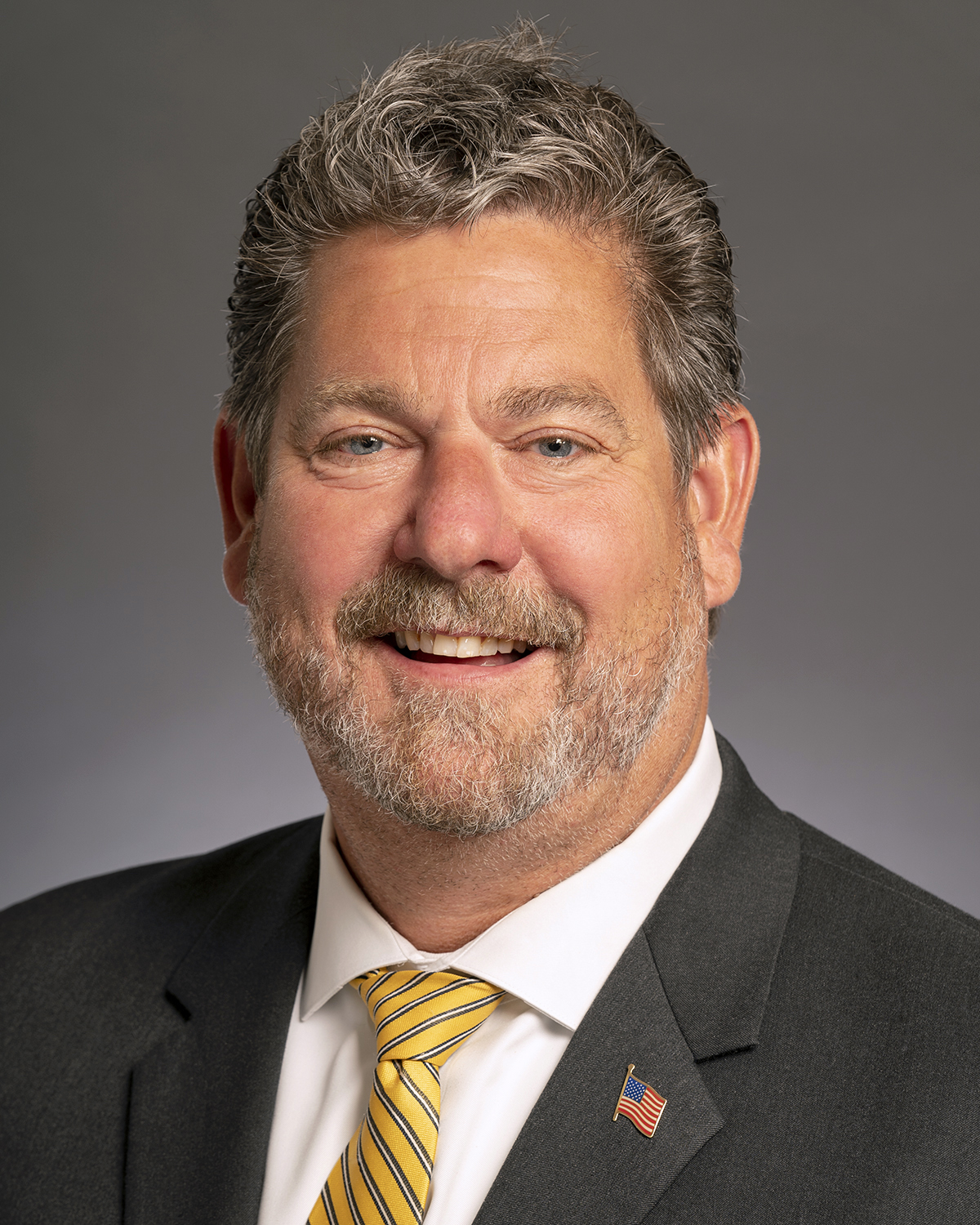
  • The bill lists John Jasinski as a co-sponsor.
  • Public details such as the exact numerical rate tables, rebasing formulas, or implementation dates are not provided in the summary but would be contained in the full bill text and fiscal notes once released.

Compiled from official sources — confirm details with the bill’s official record.

Sign in to ask a question.