

WeVote

Bill

Bill

HB 1397

Certificate of Public Convenience and Necessity - Overhead Transmission Lines - Grid Enhancing Technologies

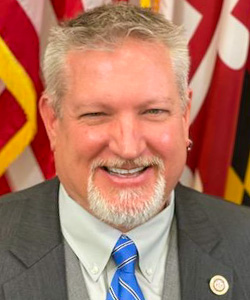
2025 Regular Session Introduced by Christopher Bouchat and 7 co-sponsors

Maryland bill streamlines regulatory approval for overhead transmission lines using grid-enhancing technologies to upgrade electrical infrastructure more efficiently.

Hearing 2/20 at 1:00 p.m.
0
WeVote Research Nonpartisan
Bill Summary · HB 1397

Legislative bill overview

HB 1397 modifies Maryland's regulatory process for obtaining a Certificate of Public Convenience and Necessity (CPCN) for overhead transmission lines that incorporate grid-enhancing technologies. The bill appears designed to streamline or alter the requirements for approving electrical infrastructure projects that use advanced technologies to improve grid efficiency and capacity without requiring traditional large-scale construction.

Why is this important

Transmission line approvals significantly affect electricity costs, grid reliability, and development timelines for energy infrastructure. Grid-enhancing technologies (such as dynamic line rating systems or advanced monitoring equipment) represent newer alternatives to conventional overhead lines, so how Maryland regulates them will influence whether utilities choose modernization over traditional expansion. This impacts both consumer electricity rates and the state's energy independence goals.

Potential points of contention

  • Regulatory streamlining vs. local oversight: Expedited approval processes may reduce community input opportunities and local government review, which some see as necessary safeguards and others view as unnecessary delays
  • Definition and standards for "grid-enhancing technologies": The bill's success depends on clear technical definitions; vague language could allow technologies through that don't meaningfully improve grid performance
  • Cost responsibility: Unclear whether ratepayers, utilities, or developers bear costs for these projects, creating potential fairness concerns depending on how the CPCN process allocates expenses

Compiled from official sources — confirm details with the bill’s official record.

Sign in to ask a question.