

WeVote

Bill

Bill

SF 4326

Certain Twin Cities metropolitan area transit service consolidation provisions, implementation requirements establishment, and Transit Consolidation Task Force establishment

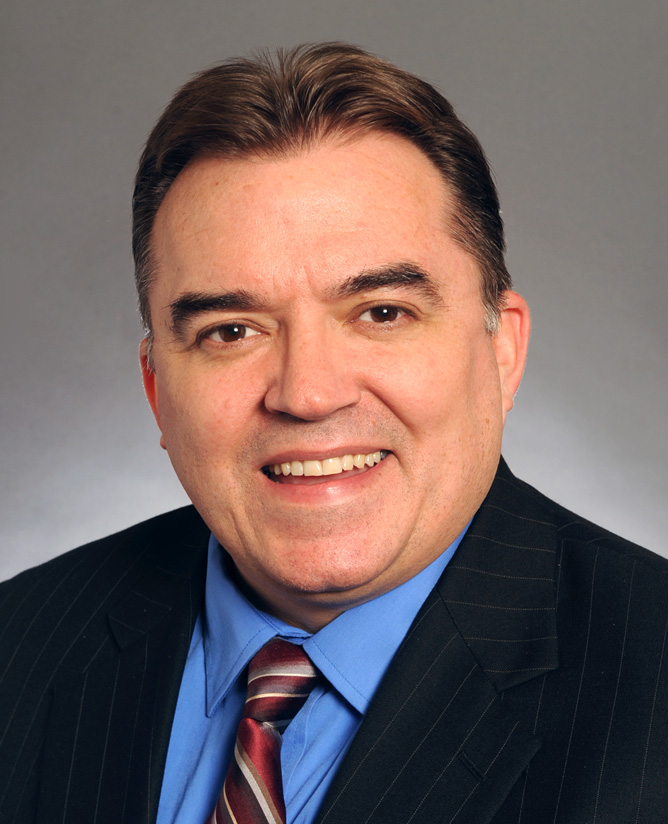
2025-2026 Regular Session Introduced by John Hoffman

Bill consolidates Twin Cities transit services into unified system via oversight task force, potentially reducing redundancy but raising concerns about local control and service equity.

Author stricken Rarick
0
WeVote Research Nonpartisan
Bill Summary · SF 4326

Legislative bill overview

SF 4326 proposes consolidating transit services in the Twin Cities metropolitan area and establishes a Transit Consolidation Task Force to oversee implementation. The bill sets requirements for how this consolidation would occur and which entities would be responsible for various aspects of the transition.

Why is this important

Transit consolidation could streamline service delivery, reduce administrative redundancy, and potentially improve coordination between fragmented regional systems. However, it also represents a significant restructuring that could affect service quality, employee protections, local control, and funding mechanisms for multiple transit agencies currently operating independently.

Potential points of contention

  • Local control vs. regional efficiency: Questions about whether consolidation removes decision-making power from individual municipalities and concentrates it in a regional authority, and whether this improves or reduces accountability to local communities
  • Labor and employment implications: Concerns about how consolidation affects transit workers' jobs, seniority, benefits, and union contracts across different agencies with potentially different labor agreements
  • Service equity and coverage: Risk that consolidation prioritizes cost-cutting or serves high-density areas better while reducing service to less profitable routes that may serve underserved populations

Compiled from official sources — confirm details with the bill’s official record.

Sign in to ask a question.