

WeVote

Bill

Bill

SF 4842

Certain fuel distribution restrictions prohibition provision

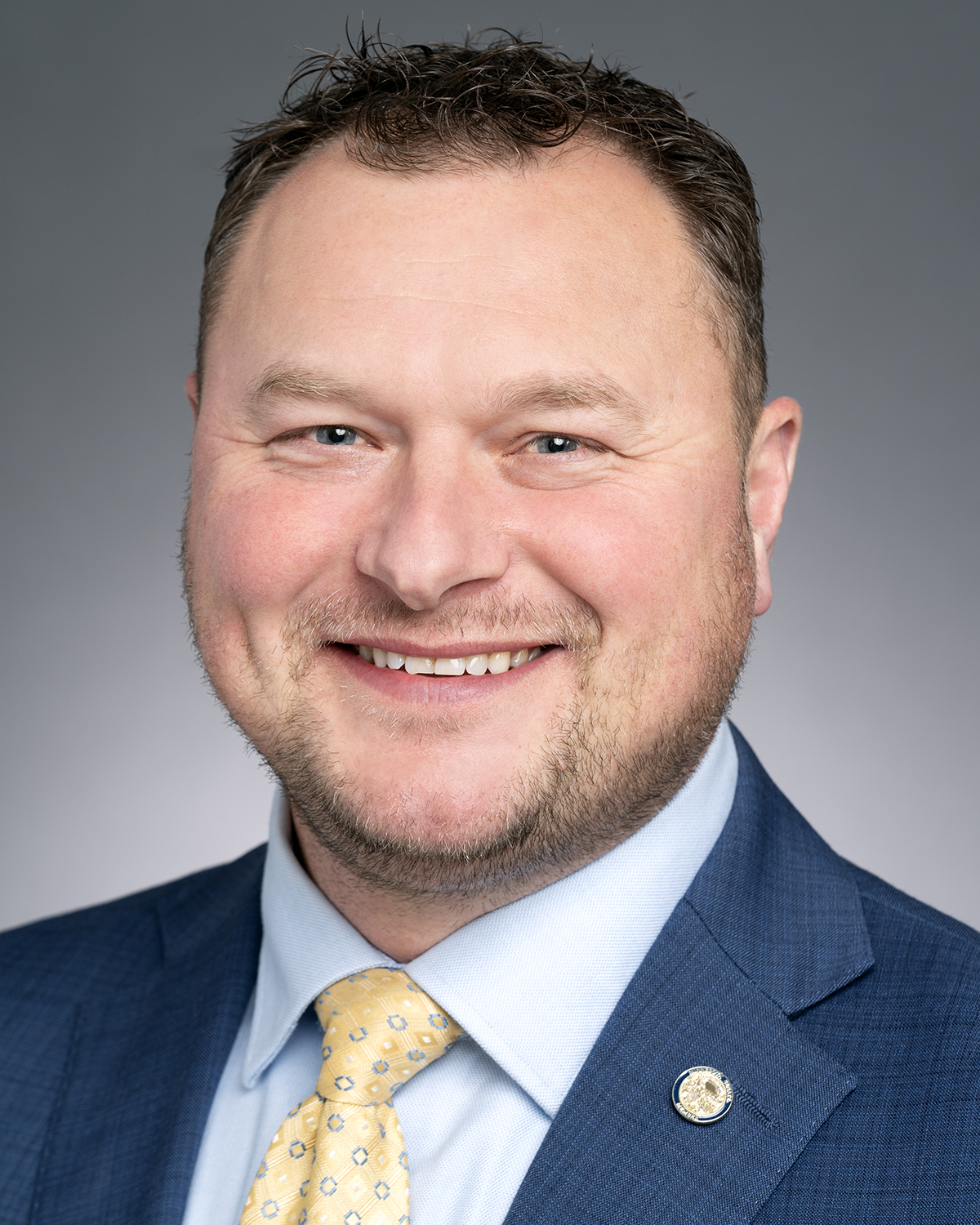
2025-2026 Regular Session Introduced by Andrew Lang

Prohibits certain restrictions on fuel distribution, aiming to curb constraints on how fuels are distributed, sold, or contracted in Minnesota.

Referred to Transportation
0
WeVote Research Nonpartisan
Bill Summary · SF 4842

Summary of SF 4842 (Minnesota), 2025-2026 Session

Overview

SF 4842 is a Minnesota bill titled “Certain fuel distribution restrictions prohibition provision.” The bill was introduced on March 25, 2026, and referred to the Transportation committee. It lists Andrew Lang as a co-sponsor.

Purpose and Intent

  • The bill appears to address restrictions related to the distribution of certain fuels. The title indicates a prohibition on specific fuel distribution restrictions, suggesting an effort to limit or ban rules that impose restrictions on how fuels are distributed or sold within the state.
  • The exact policy objective, scope, and definitions (e.g., which fuels are covered, what constitutes a “restriction,” and who enforces the prohibition) are not provided in the available information. The bill’s intent is therefore to prevent certain distribution restrictions, potentially to support nondiscriminatory market access, competition, or consumer choice within Minnesota’s fuel market.

Key Provisions (as indicated by title and summary)

  • Prohibition Provision: The central provision likely prohibits the implementation, enforcement, or maintenance of certain limitations on fuel distribution. This could include prohibiting.
    • Pricing restrictions on distributors
    • Exclusive distribution agreements
    • quota or allocation systems
    • “restrictive” terms in contracts between retailers, distributors, or suppliers
  • Scope: The exact applicability (statewide vs. specific programs, licensees, or types of fuels) is not specified in the provided material. The bill may define the types of “restrictions” it prohibits and identify any exemptions.
  • Enforcement: The bill would typically specify penalties for violations, such as civil fines, injunctive relief, or administrative actions. Details are not provided in the current summary.

Who Would Be Affected

  • Fuel distributors, suppliers, and retailers operating in Minnesota could be directly affected, depending on how the bill defines prohibited restrictions.
  • If the bill includes consumer protections or market access provisions, the impact could extend to fuel customers and businesses relying on fuel distribution.
  • Agencies involved in transportation, commerce, or agriculture (depending on the bill’s structure) would administer or enforce the prohibition.

Procedural and Timeline Aspects

  • Introduction and First Reading: March 25, 2026.
  • Referral: Transportation Committee.
  • Next steps likely include committee hearings, potential amendments, and floor votes in the House (and eventual Senate action, if this is a two-chamber process) per Minnesota’s legislative procedure.
  • No specific effective date or phase-in timeline is provided in the available information. Bills sometimes include effective dates ranging from immediate to several months after enactment or delayed implementation for regulators and affected parties.

Additional Considerations

  • Definitions: The bill’s effectiveness and reach depend heavily on how it defines terms like “fuel,” “distribution restrictions,” and “prohibition.”
  • Exceptions: Potential exemptions (e.g., for safety, public health, or emergency fuels) could significantly influence impact.
  • Interaction with existing law: The bill may modify or override existing state statutes or regulations related to energy, transportation, or commerce.

If you can provide the full text or committee testimony, I can deliver a more precise and detailed section-by-section analysis, including specific definitions, penalties, exemptions, and anticipated regulatory impact.

Compiled from official sources — confirm details with the bill’s official record.

Sign in to ask a question.