

WeVote

Bill

Bill

SF 1810

Certain disability waiver services out-of-state billing permissibility clarification provision

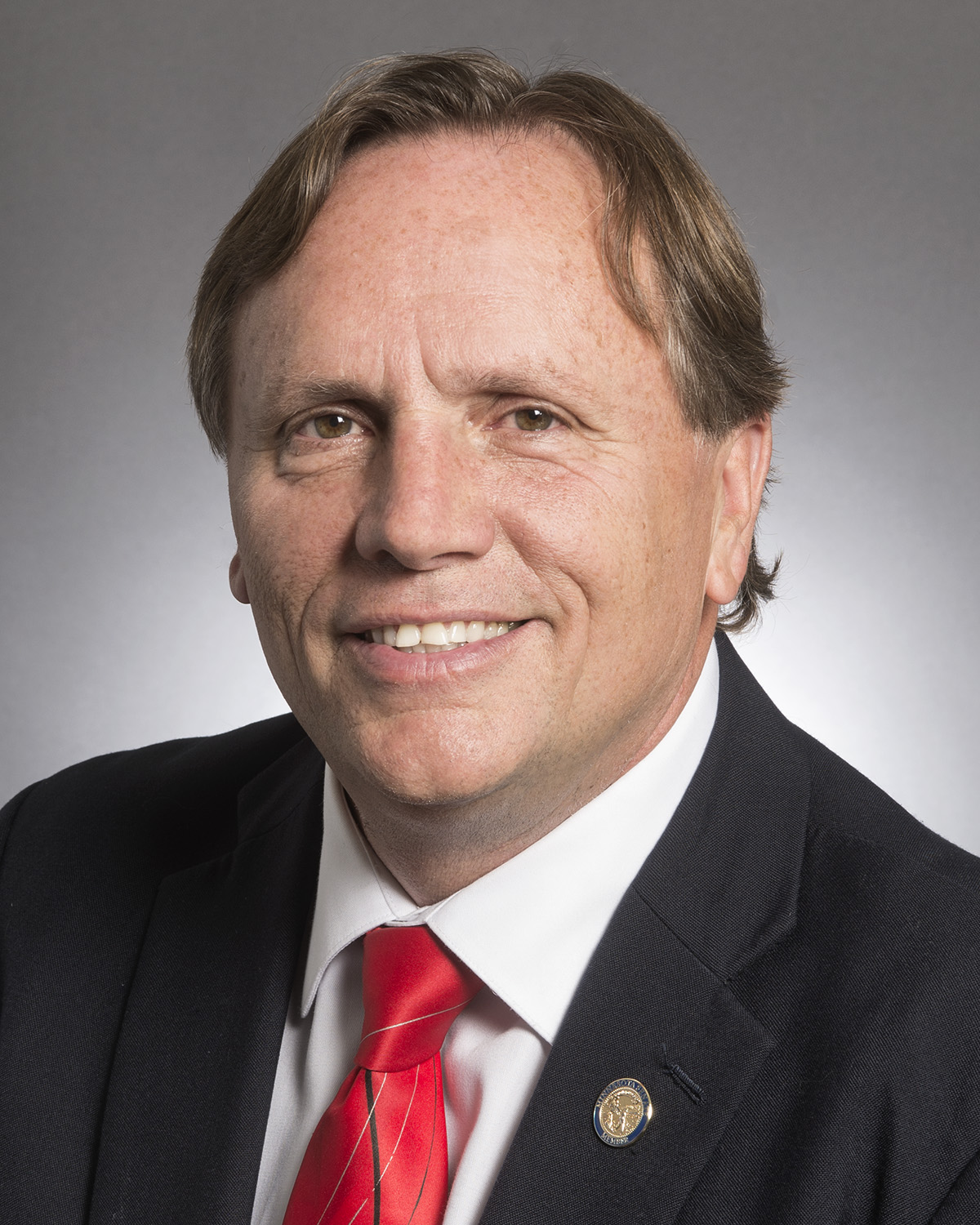
2025-2026 Regular Session Introduced by Jim Abeler and 3 co-sponsors

Bill permits disability waiver service providers to bill Minnesota for certain services delivered out-of-state to clarify reimbursement eligibility and expand service accessibility.

Referred to Human Services
0
WeVote Research Nonpartisan
Bill Summary · SF 1810

Legislative bill overview

SF 1810 clarifies the permissibility of billing for disability waiver services provided to Minnesota residents when those services are delivered out-of-state. The bill addresses ambiguity in current law regarding whether providers can receive reimbursement through Minnesota's disability waiver programs for services delivered across state lines, such as when clients travel or receive services in neighboring states.

Why is this important

Disability waiver programs serve individuals with significant support needs, and clarifying billing rules affects both service availability and program costs. Residents with disabilities may have legitimate reasons to receive services out-of-state—including travel, family visits, or accessing specialized providers—and unclear billing authority can create service gaps or financial uncertainty for both providers and clients.

Potential points of contention

  • Interstate coordination and cost-shifting: Other states may have different reimbursement rates or policies, raising questions about whether Minnesota should pay for services delivered elsewhere and potential disputes over responsibility
  • Program budget implications: Expanding where services can be billed may increase overall waiver program costs if previously unreimbursed services become billable
  • Regulatory clarity vs. oversight: Permitting out-of-state billing without sufficient safeguards could complicate quality assurance, licensing verification, and accountability across state lines

Compiled from official sources — confirm details with the bill’s official record.

Sign in to ask a question.