

WeVote

Bill

Bill

HR 3000

Caring for Seniors Act

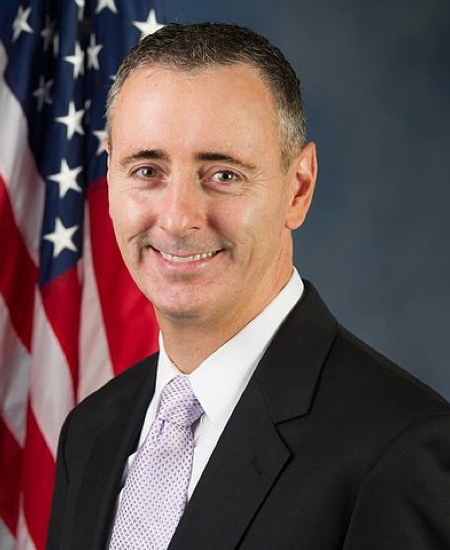
119th Congress Introduced by Brian Fitzpatrick and 1 co-sponsor

The Caring for Seniors Act boosts funding and access to healthcare, support services, and technology for seniors, enhancing care at home and aiding family caregivers.

Introduced in House
0
WeVote Research Nonpartisan
Bill Summary · HR 3000

Summary of HR 3000 - Caring for Seniors Act

Bill Number: HR 3000
Title: Caring for Seniors Act
Status: Introduced in House
Introduced Date: April 24, 2025
Classification: Bill

Purpose and Intent

The Caring for Seniors Act aims to enhance the quality of care and support services available to senior citizens across the United States. The bill seeks to address the growing needs of an aging population by improving access to healthcare, social services, and community resources that promote the well-being of seniors.

Key Provisions

While the full text of the bill is not provided, the following key provisions are expected based on the legislative intent:

  • Increased Funding for Senior Services: The bill may propose increased federal funding for programs that support senior citizens, including healthcare services, nutrition programs, and mental health support.

  • Expansion of Home and Community-Based Services: The legislation is likely to include measures that expand access to home and community-based services, allowing seniors to receive care in their homes rather than in institutional settings.

  • Support for Caregivers: The bill may introduce initiatives aimed at supporting family caregivers, including training programs, respite care, and financial assistance.

  • Health Care Access Improvements: Provisions may be included to enhance access to preventive care and chronic disease management for seniors, potentially through partnerships with healthcare providers.

  • Technology Integration: The bill could promote the use of technology to improve service delivery and communication between seniors and healthcare providers.

Who Would Be Affected

The Caring for Seniors Act would primarily impact:

  • Senior Citizens: Individuals aged 65 and older who require healthcare and social services.
  • Family Caregivers: Family members or friends who provide care and support to seniors.
  • Healthcare Providers: Organizations and professionals involved in delivering care to the elderly population.
  • Community Organizations: Nonprofits and local agencies that offer services to seniors.

Procedural Aspects

  • Committee Referrals: Upon introduction, the bill was referred to the Committee on Education and Workforce and the Committee on Energy and Commerce. Each committee will review the bill for provisions that fall within their jurisdiction.

  • Timeline for Consideration: The timeline for further consideration by the committees will be determined by the Speaker of the House, which may influence the pace at which the bill progresses through the legislative process.

Conclusion

The Caring for Seniors Act represents a significant legislative effort to improve the lives of senior citizens in the U.S. by addressing their healthcare and social service needs. As the bill moves through the legislative process, further details will emerge regarding specific funding levels and programmatic changes. Stakeholders, including seniors and caregivers, are encouraged to stay informed about the bill's progress and potential implications.

Compiled from official sources — confirm details with the bill’s official record.

Sign in to ask a question.